



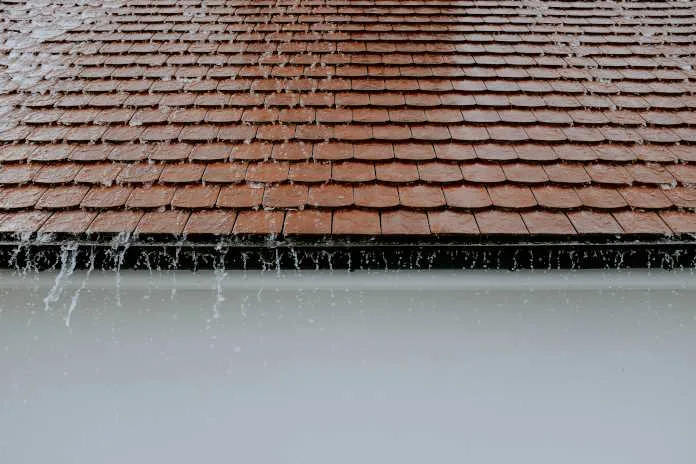
Severe weather can hit unexpectedly, leaving homeowners rushing to protect their assets. The roof is one of the most important aspects of a home to protect since it is the first line of defense against rain, wind, hail, and snow. A well-maintained roof can help you avoid expensive repairs and preserve the safety of your property. This article will go over six critical measures for preparing a roof for severe weather and ensuring it stays intact when the storm arrives.
Inspect and Repair Damaged Shingles
Examining the shingles carefully comes first in getting a roof ready for severe storms. The strong sun, wind, or even little storms over time can cause shingles to get worn, cracked, or even dislodged. Any damaged or absent shingles should be found by a close check. It is imperative to replace these damaged shingles since even minor flaws might cause more issues during strong storms. The shingles should be replaced right away if you observe noticeable gaps or curled or cracked shingles. It could be advisable to talk to a reputable Austin roofing company, or one near you, to do the repairs and guarantee everything is safe if there are notable locations where shingles are missing or badly damaged.
Clear Debris from the Roof and Gutters
Clearing any trash from the gutters and roof is another essential phase in being ready for bad storms. Debris, including leaves and branches, can clog gutters, allowing water to spill over the foundation. This, over time, could cause erosion and water damage. Furthermore, trash can gather on the roof and cause possible clogging or extra weight that might stress the roof during a storm. Eliminating trash lowers your chance of water damage and helps to stop the accumulation of organic matter that can encourage mold and algae development. Clear gutters will enable water to run freely, so lowering the possibility of water backup and preserving the integrity of the roof and the general framework of the house.
Check for Roof Leaks
One of the most crucial stages in preparing the roof for severe storms is to look for leaks. When paired with heavy rain, hail, or strong winds, even little leaks can become major issues. A thorough inspection of the attic or loft should be performed to detect any signs of dampness or water stains on the ceiling or beams. Any leaking should be addressed immediately because it might threaten both the interior of the house and the roof’s integrity. Any holes or cracks in the flashing or roof should be repaired. Also, inspect the vents and chimneys, as these areas are occasionally prone to leaks. If leaks are discovered, consider hiring a roofing expert to handle the repairs, especially if the damage is extensive or difficult to locate.
Ensure Proper Insulation and Ventilation
Proper insulation and ventilation are essential in preparing the roof for severe weather. Inadequate insulation leads the attic to become either too hot or too cold, resulting in ice damming in winter or overheating in summer. In the winter, melting snow can refreeze on the roof’s eaves, accumulating water under the shingles and causing leaks. Inadequate ventilation during the summer can lead to the accumulation of heat and moisture, which can degrade the roofing material over time. Proper attic ventilation and insulation will assist control of temperature and moisture levels, preventing problems such as ice dams, mold development, and early roofing material degradation. Homes in areas prone to both hot summers and icy winters should pay special attention to this stage, as temperature fluctuations can severely strain the roof.
Trim Overhanging Branches and Trees
Trees and branches that overhang the roof can cause major damage during bad weather. Strong gusts and heavy rain can force branches to break off and land on the roof, puncturing or harming the tiles. Reducing any potentially dangerous trees or branches will help to prevent this. Older trees with dead or weak branches, which are more susceptible to breaking during a storm, depend especially on this. Frequent maintenance of the trees around the house helps to prevent them from turning into problems during bad storms. Eliminating any dead or dying trees near the house is another smart choice, as their root systems could not be strong enough to resist high winds.
Conclusion
Preparing the roof for severe weather is an important aspect of home upkeep. Following these six guidelines will help homeowners make sure their roofs stay strong and useful in very hostile situations. Inspecting shingles, cleaning trash, looking for leaks, making sure the insulation is correct, strengthening the structure, and cutting overhanging trees in a proactive approach to roof maintenance will assist in avoiding expensive damage and give peace of mind during storms. Professional advice and repairs from a reputable roofing business can guarantee that the roof is correctly ready for whatever the weather can bring, as necessary.

