



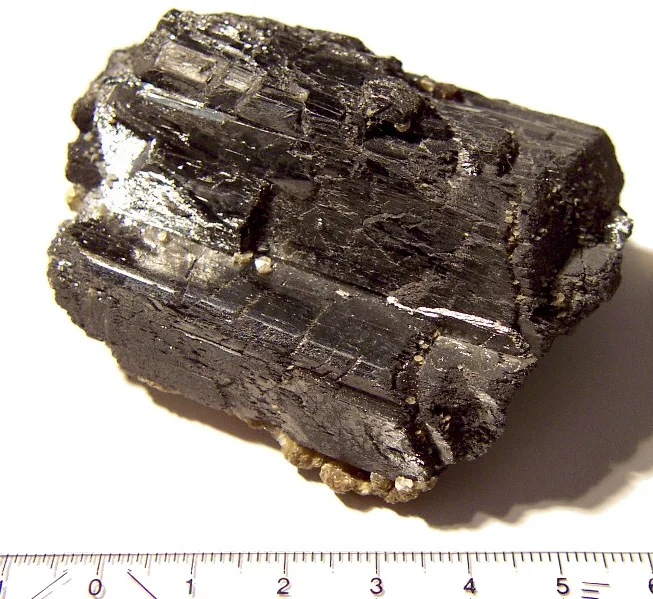
Tungsten, also known as wolfram, is a critical mineral with significant industrial and technological applications due to its exceptional properties, such as high melting point, density, and strength. Below is an overview of the biggest tungsten producers and its uses as a critical mineral:
Biggest Tungsten Producers
Tungsten is primarily mined as wolframite or scheelite ores. The largest producers of tungsten are concentrated in a few countries, with China dominating global production.
China:
China is the world’s largest producer of tungsten, accounting for approximately 80% of global supply.
Major mining regions include Jiangxi, Hunan, and Guangdong provinces.
China also controls much of the downstream processing of tungsten.
Vietnam:
Vietnam is the second-largest producer, with significant reserves and mining operations.
The Nui Phao mine is one of the largest tungsten mines outside of China.
Russia:
Russia is a major producer, with significant reserves in Siberia and the Far East.
Tungsten production is often tied to its defense and aerospace industries.
Bolivia:
Bolivia has emerged as a significant producer, with the Los Junos mine being a key source of tungsten.
Austria:
Austria is a notable producer in Europe, with the Mittersill mine being a key source of tungsten.
Other Producers:
Portugal: The Panasqueira mine is one of the oldest tungsten mines in Europe.
Canada: Emerging as a potential producer with projects like the Sisson Project in New Brunswick.
Australia: Has significant reserves and is exploring new mining opportunities.
Uses of Tungsten as a Critical Mineral
Tungsten is considered a critical mineral due to its essential role in modern technologies, defense, and industrial applications. Its unique properties make it irreplaceable in many high-performance applications.
Hard Metals and Alloys:
Tungsten is a key component in cemented carbides (hard metals), which are used for cutting tools, drilling equipment, and wear-resistant parts in mining, construction, and manufacturing.
Aerospace and Defense:
Tungsten is used in high-temperature applications, such as turbine blades and rocket nozzles, due to its high melting point (3,422°C).
It is also used in armor-piercing ammunition and radiation shielding.
Electronics and Semiconductors:
Tungsten is used in microelectronics for interconnects in integrated circuits and as a contact material in semiconductors.
It is also used in light bulb filaments and X-ray tubes.
Energy Applications:
Tungsten is used in nuclear fusion reactors as a plasma-facing material due to its ability to withstand extreme heat and radiation.
It is also used in energy-efficient lighting and solar cells.
Automotive Industry:
Tungsten is used in engine components, ballasts, and counterweights due to its high density and durability.
Medical Applications:
Tungsten is used in medical radiation shielding and as a component in surgical instruments.
Emerging Technologies:
Tungsten is being explored for use in quantum computing, battery technologies, and additive manufacturing (3D printing).
Why Tungsten is Critical
Supply Chain Vulnerabilities: China’s dominance in tungsten production and processing creates supply chain risks for other countries.
Strategic Importance: Tungsten is essential for defense, aerospace, and high-tech industries, making it a strategic resource.
Limited Substitutability: Due to its unique properties, tungsten is difficult to replace in many applications.
Challenges and Future Outlook
Environmental Concerns: Tungsten mining and processing can have significant environmental impacts, including water pollution and habitat destruction.
Recycling: Increasing efforts are being made to recycle tungsten from scrap materials to reduce reliance on primary production.
Exploration and Diversification: Countries are investing in exploration and development of new tungsten deposits to diversify supply chains.
In summary, tungsten is a vital mineral with diverse applications in modern technology and industry. Its production is dominated by China, but other countries are working to increase their output to ensure a stable supply for critical sectors.
Image Credit:
Alchemist-hp (www.pse-mendelejew.de), CC BY-SA 2.0 DE, via Wikimedia Commons

