



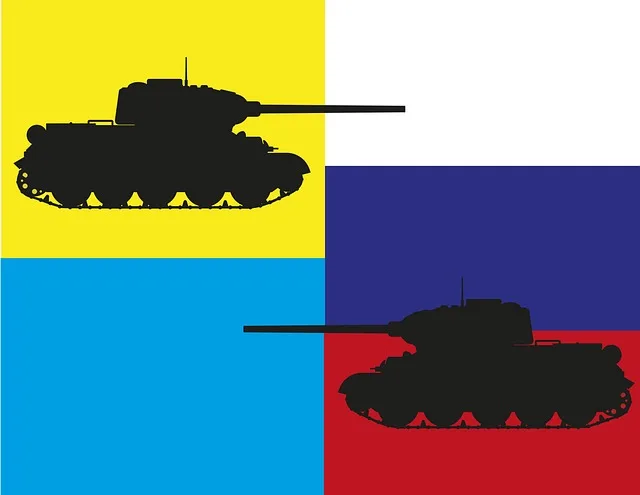
In this video, economist and public policy analyst Jeffrey Sachs provides a detailed analysis of the Ukraine conflict, challenging the mainstream narrative that portrays it as an unprovoked attack by Russia. Sachs traces the roots of the conflict back to 1990, when the U.S. promised not to expand NATO eastward in exchange for German reunification. However, the U.S. reneged on this promise, beginning with NATO expansion in 1999 and continuing with the inclusion of Eastern European countries, which Russia viewed as a direct threat to its national security.
Sachs highlights key events, such as the U.S. withdrawal from the Anti-Ballistic Missile Treaty in 2002 and the subsequent placement of missile systems in Eastern Europe, which further escalated tensions. He also discusses U.S. involvement in regime change operations in Ukraine, including the 2014 overthrow of President Yanukovych, which he describes as a typical U.S. regime change operation.
Sachs argues that the U.S. and NATO’s continued push for expansion, despite Russian objections, led to the current conflict. He criticizes the U.S. for rejecting negotiations with Russia in 2021, which could have prevented the war. Sachs also condemns the ongoing support for Ukraine by the U.S. and Britain, arguing that it has led to massive casualties and destruction rather than peace.
He concludes by emphasizing the need for a shift in U.S. foreign policy, recognizing the realities of a multipolar world and the dangers of continued confrontation with nuclear powers like Russia and China. Sachs suggests that a change in strategy is necessary to avoid further tragedy and achieve a more stable international order.
Video by Bizplorer:

