



In the past, trust was a big deal in business. In a world where most things are digital now, it means something different. People don’t only think about trust while they’re with other people in person these days. They can find out how often they talk to individuals online today. People don’t trust businesses that don’t send out updates, give out information that doesn’t match, or have workflows that are all over the place.
The best project management tools make sure that everything goes well every day. Companies that use alternatives, data, and communication together show that they are honest, open, and trustworthy. Lark talks about how connected platforms may help people trust each other by making consistency a part of their daily lives.
Lark Base: Creating one reliable foundation for data
Having data that isn’t consistent is one of the fastest ways to lose trust. When sales, operations, and finance all use different data, managers make mistakes and customers lose faith in the system. Lark Base fixes this problem by putting all of your projects, tasks, and files in one place.
The sales team tends to rely on Base as it helps them to keep track of leads, deals, and talks with customers, much like a CRM app does. At the same time, finance and operations worked together to get information on the supply chain and spending. This creates a single database that gets rid of blind spots and lets everyone see what’s going on.
Dashboards let you see what’s happening right now. Linked records link contracts and tasks that have something to do with each other. And alternative layouts, such as kanban, grid, or Gantt, make sure that each team gets the information they need. Base makes sure that data and processes are always the same, which fosters confidence over time.
Lark Messenger: Building credibility through clear communication
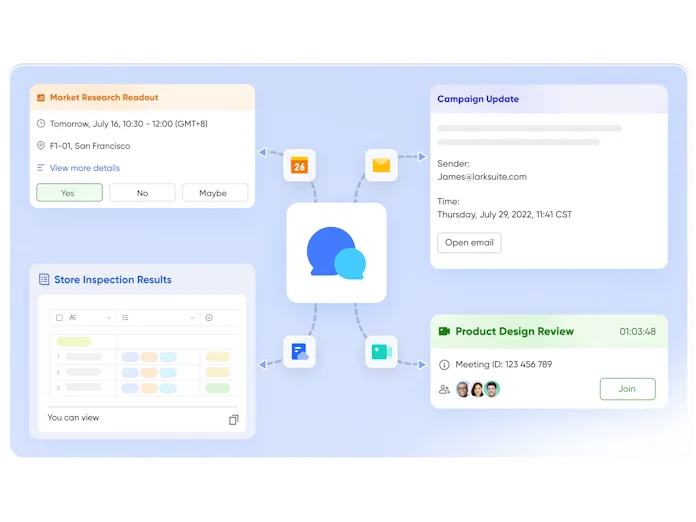
People don’t trust each other when they can’t understand what the other person is saying. Not getting updates, unclear directions, or people who speak other languages can all make things hard to understand. Lark Messenger is a single communication system that makes it easy to read and find messages. This makes it easier for people to trust one other. By grouping chats into groups by project, threaded talks make sure that everyone is on the same page. Pinned updates keep important information in front of you, and mentions make sure the relevant individuals are in conversations right away. People from all around the world can easily chat with each other because of built-in translation.
Messenger connects directly to Base and Tasks, so you can see what changes are being made. This constant contact helps people stay on track and keep their promises. This helps people trust each other more, both at work and in their personal lives.
Lark Calendar: Ensuring reliability in timing
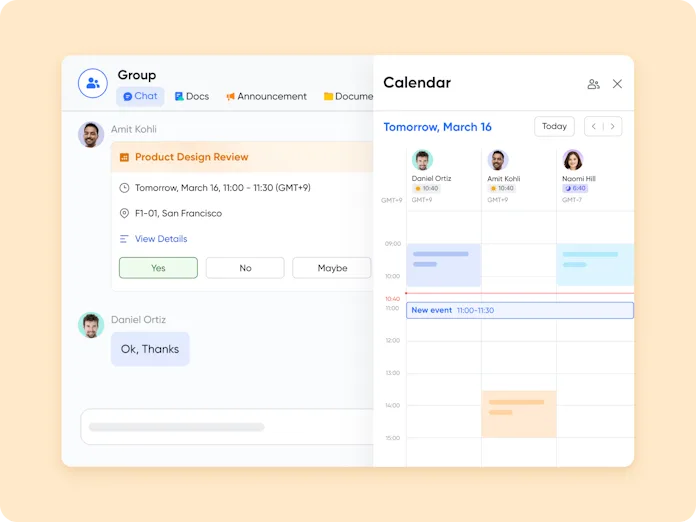
If you don’t meet a deadline, it destroys trust because it demonstrates you didn’t keep your word. If teams or venues don’t follow the same schedule, it could generate delays that make customers and employees lose faith. Lark Calendar makes things run more smoothly by making sure that everyone knows what they need to do.
Common calendars show all departments important events, meetings, and reviews. Automatic time zone conversion keeps teams in different parts of the world on the same page, and reminders make sure that commitments are not forgotten. Linked events provide you more information by taking you straight to records in Docs or Base.
Calendar makes it easier to keep appointments, which helps businesses keep their word. Being on time all the time indicates that you care about the time of your stakeholders and creates trust.
Lark Approval: Embedding fairness into decision-making
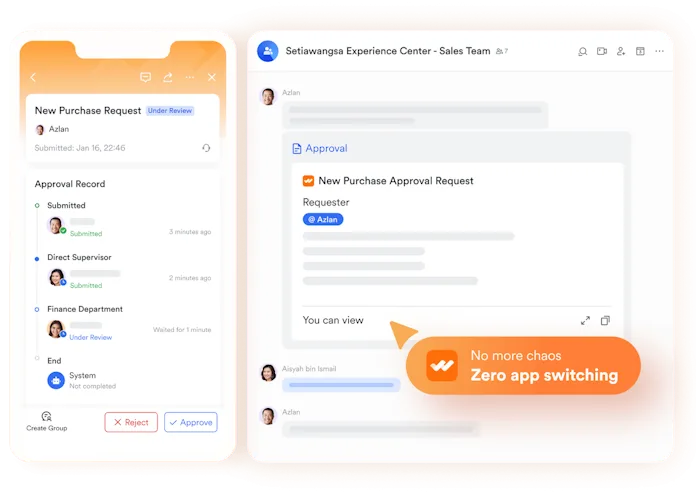
It’s hard to trust the process when approvals seem random or come out of nowhere. Lark Approval makes sure that every sign-off is clear and in the right order. This makes things go faster and be more equitable.
Standardized request forms make processes transparent, the approval overview shows leaders which requests are still awaiting action, and role-based permissions keep sensitive information secure. People are more responsible when they can examine their past choices in records.
The best part about Approval is that it sends requests to the right people right away through an automated workflow. Notifications keep things going, while reminders make sure nothing is forgotten. People trust decisions instead of getting mad about them after they are made.
Lark Docs: Providing one version of the truth
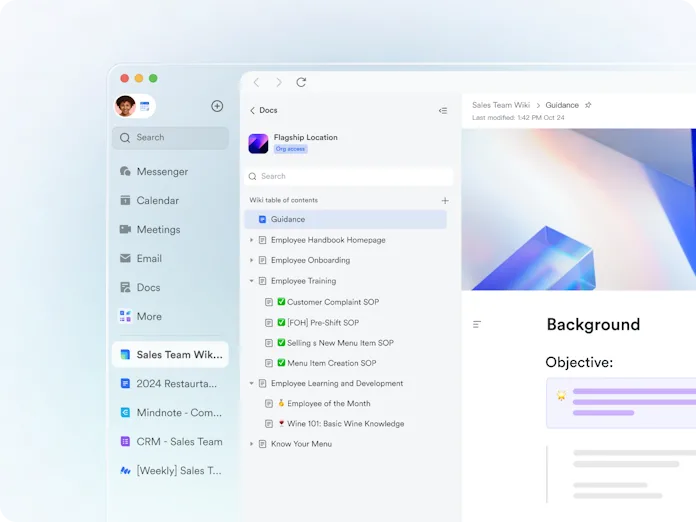
People don’t trust each other very much when their paperwork doesn’t match up. People quit believing the procedures when teams use old files or files that don’t match up. Lark Docs solves this by giving everyone a single, real-time area to work.
People who are working on a document together might see the changes straight away. Inline comments help you make sense of what you’re reading, while version history keeps track of changes and makes sure everyone is responsible. Embedded Sheets or Base records add data to documents as it happens, which ensures the data is correct.
Docs make sure that everyone sees the same thing. This makes people more sure that policies and initiatives are founded on real facts.
Lark Sheets: Keeping numbers accurate and actionable
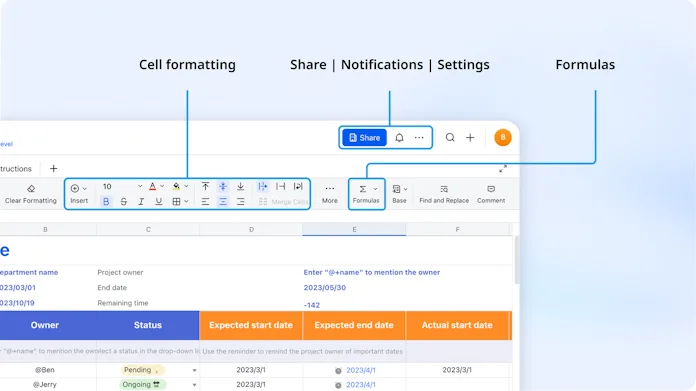
People believe in performance when they see figures, but when there is more than one version of a spreadsheet, trust goes down. Lark Sheets stops this from happening by making sure that data is clear, up-to-date, and easy to use.
You may view results right quickly on the same sheet for sales, finance, and operations. You can gather information quickly with pivot tables and hard math. Audit trails make sure that changes are kept track of. When you connect analysis to execution in Docs, Base, or Sheets, your data will always be correct.
Metrics are a great tool to make judgments and tell people about them because the data is always the same. This gives both employees and others outside the company more faith in you.
Lark Wiki: Preserving institutional trust through knowledge
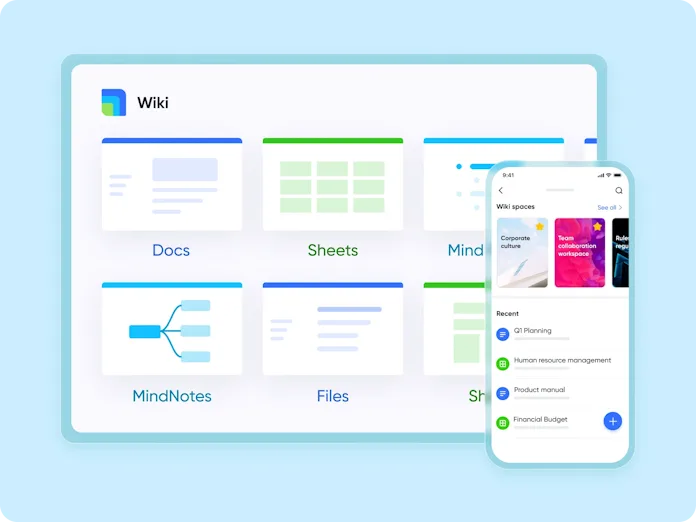
Knowledge equity is what builds trust. It isn’t fair or right that just a small number of people can see rules, playbooks, or best practices. Lark Wiki makes sure that school information is shared and kept safe.
You can edit and save rules and policies right away, so your employees will always have the most recent version. Permissions protect sensitive information, and search functions let you find things more quickly. Wiki helps new employees learn about the company, which helps them get started.
Wiki converts trust into a strength for a company by making sure that everyone can see the same information.
Conclusion
On business days, being nice to people isn’t enough; you also have to be dependable. When systems aren’t connected, they make mistakes and cease trusting each other. When platforms function together, it’s easier to talk to each other, share information, and make choices.
Base makes data that is just as adaptable as CRM. Messenger makes ensuring that messages are clear and may be acted on. The calendar makes sure the time is right. Approval makes the automated workflow more fair. Docs make one version of the truth. Sheets check that the measurements are right and up to date. Wiki keeps track of the most up-to-date information about schools and other groups. These items all work together to give businesses the digital consistency they expect from each other these days.
Leaders need to understand that trust isn’t something you get once; it’s something you have to build on all the time. When an organization’s digital systems are linked together, they can be sure that every interaction, whether it’s with employees, clients, or partners, is just as safe.

