



MicroFinance South Africa (MFSA), the representative body for the microfinance industry, is urgently calling for a fair and sustainable review of credit rates and fees under the National Credit Act. Such a review is critical for unlocking financial inclusion, stimulating economic growth, and sustaining the formal credit provider industry.
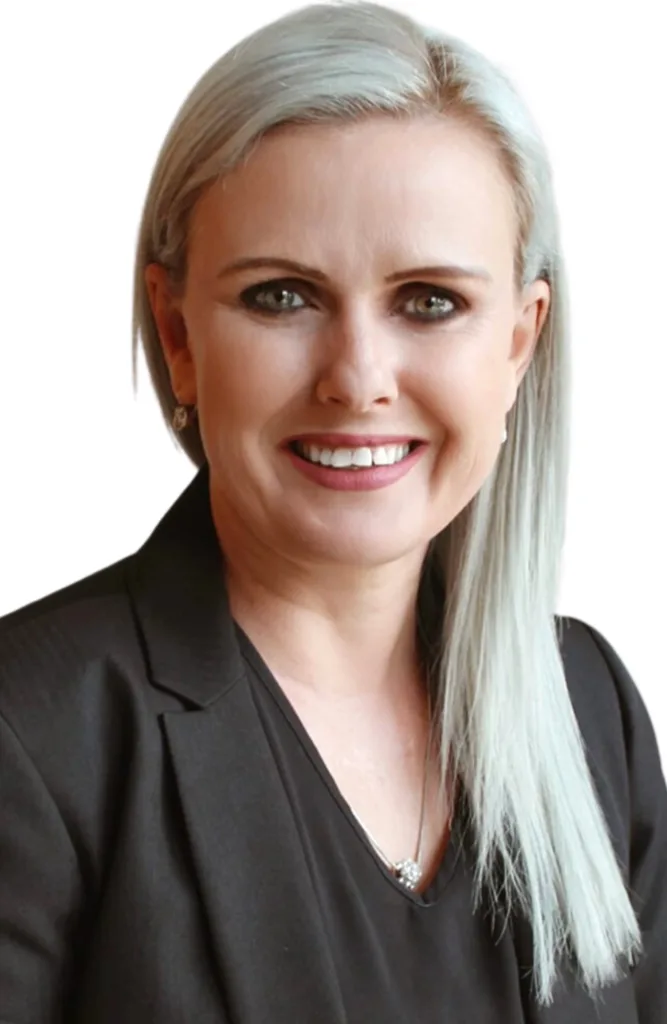
“Despite increasing demand, over 13 million South Africans are rejected access to credit every quarter under the current credit pricing constraints,” reports Leonie van Pletzen, CEO of MFSA. “This is deeply concerning considering that short-term, unsecured credit is used for key developmental purposes.”
MFSA’s research shows that 18% of credit is used by consumers to fund education, 14% is used by MSME owners to establish or grow their businesses, and 9% is used towards housing. The data also reflects that over 40% of credit-active South Africans are considered high-risk borrowers due to low credit scores or over-indebtedness.
“These exclusions push vulnerable consumers into the illegal credit market where they are charged interest rates as high as 600% per annum, which often results in them entering into a debt spiral,” explains van Pletzen.
“Outdated and inadequate rate and fee structures, unchanged since 2015, are putting smaller and developmental credit providers under increasing strain,” she continues. “Many of these providers operate in rural and township economies, serve the owners of MSMEs, and reach first-time borrowers who would otherwise be excluded from the financial system.”
MFSA’s data-driven analysis highlights the scenarios where adjusted rates and fees would directly expand access to safe, legal, and affordable credit for consumers:
- Reducing rejection rates
- Currently, 72% of credit applications are rejected;
- By aligning initiation and service fees with inflation trends since 2007, rejection rates could drop to 55%;
- This translates into 3.1 million additional credit approvals per quarter, enabling more South Africans to access regulated credit instead of being excluded from the formal market.
- Competing with the illegal market
- The illegal lending market thrives on exclusion, charging vulnerable consumers up to 600% annually;
- Adjusting fees to reflect the real costs of compliance. Credit checks, banking transaction fees, FIC and KYC requirements, and responsible lending protocols would enable MFSA members to serve more consumers sustainably, reducing reliance on exploitative lenders.
- Stimulating economic growth
- Expanded credit access is not just about consumption. Research shows 40% of short-term unsecured loans fund developmental purposes such as education, housing, healthcare, and small business growth;
- Depending on the adjustment scenario, the economic stimulation impact ranges from R168 billion to R357 billion per year1;
- This injection would directly benefit township economies, drive job creation, and provide opportunities for South Africa’s youth.
- Supporting compliance and consumer protection
- Current fee caps do not cover the true costs of compliance, making it harder for credit providers to remain within the law while serving excluded consumers;
- A realistic adjustment would allow providers to remain compliant and expand access responsibly, ensuring financial inclusion goes hand in hand with consumer protection.
Why R357 billion matters
The upper range of MFSA’s analysis shows that a balanced review could deliver up to R357 billion in annual economic stimulation. This would result in:
- Greater access to credit for individuals and small businesses;
- Expanded developmental finance opportunities;
- Boosted township and local economies through small enterprise growth; and
- Empowered youth and future generations with access to affordable finance for education and entrepreneurship.
Call to action
“Reviewing rates and fees is not self-serving, it is an inclusion measure,” explains van Pletzen. “If we want to close the credit gap, protect consumers from illegal lenders, and stimulate real economic growth, the regulatory framework must empower sustainable lending.”
“By expanding financial inclusion, we can strengthen households, grow businesses, and build a more inclusive South Africa,” she concludes.
1 https://accesstofinancereport.co.za/reports/2025-SA-MSME-Access-To-Finance-Report.pdf

