



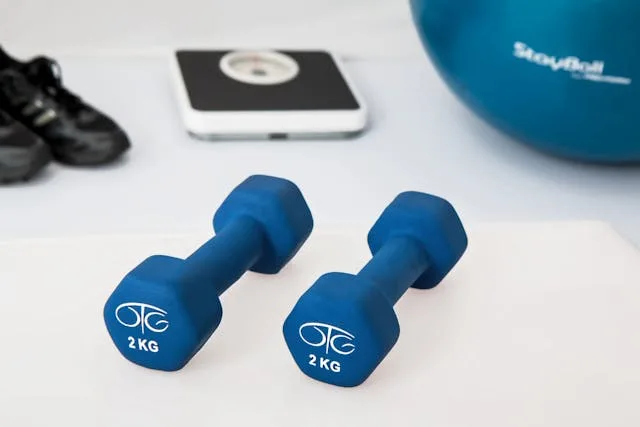
Jumping into a new fitness journey can feel like diving into the deep end, but there’s no need to feel overwhelmed. The secret to lasting success lies in taking those first steps carefully and thoughtfully. Think of it like building a house; you’ll want to establish a strong foundation before adding any fancy features. Starting with just 2-3 workout sessions per week gives your body the perfect chance to adapt to these new challenges while preventing unwanted setbacks. The key is finding a rhythm that meshes well with your daily life, making it easier to stick with your new healthy habits for the long haul. This approach has been proven effective by industry professionals who understand the nuances involved.
Essential Body Weight Exercises for Beginners
Want to know the beauty of bodyweight exercises? They’re perfectly suited for fitness newcomers since you don’t need fancy equipment or a gym membership to get started. Focus on mastering fundamental movements that have stood the test of time: push-ups, squats, lunges, and planks. Rather than racing through repetitions, take time to perfect your form with each movement. Begin with 2-3 sets of 8-12 repetitions, gradually increasing as your strength and confidence grow. These cornerstone exercises do more than just build muscle; they enhance your core stability, improve balance, and create a solid foundation for more challenging workouts down the road.
Developing a Balanced Cardio Routine
Heart-pumping cardiovascular exercise plays a vital role in building endurance and maintaining heart health. Many fitness enthusiasts boost their cardio sessions with a pre workout supplement to maximize their energy and performance. However, if you’re just starting out, stick to gentler activities like brisk walking, swimming, or cycling for 15–20-minute intervals. How can you tell if you’re working at the right intensity? You should be able to carry on a conversation without gasping for air. As your stamina improves, gradually dial up both the length and intensity of your cardio workouts. Aim to fit in these heart-healthy sessions 2-3 times weekly, making sure to give yourself recovery days in between.
Creating a Sustainable Workout Schedule
Starting a fitness routine, consistency trumps intensity every time. Take a realistic look at your daily schedule, including work commitments, family time, and other responsibilities, to create a workout plan that truly fits your life. Think of your exercise sessions as non-negotiable appointments with yourself, scheduling them at specific times that you can stick to reliably. Start with manageable 30-minute workouts, then gradually extend them as your endurance builds. Remember, regular shorter sessions will serve you better than sporadic marathon workouts that leave you feeling drained and discouraged.
Proper Nutrition and Recovery Basics
Even the best workout routine needs proper fuel and recovery to succeed. Think of your body as a high-performance machine that needs the right mix of nutrients to run smoothly. Focus on filling your plate with lean proteins, complex carbohydrates, and healthy fats to power your workouts and support muscle recovery. Stay ahead of dehydration by sipping water throughout the day, especially around your exercise sessions. Quality sleep becomes even more crucial when you’re working out regularly, aim for 7-8 hours each night to give your body the time it needs to repair and strengthen itself. Pay attention to what your body’s telling you and don’t hesitate to take extra rest days when needed.
Conclusion
Starting a fitness journey doesn’t need to feel like scaling Mount Everest. By focusing on fundamental exercises, maintaining regular cardio activity, and creating a schedule that fits naturally into your life, you’ll build momentum that carries you forward. Remember that progress happens gradually; it’s perfectly fine to start slowly and build intensity as your fitness level improves. Combining proper exercise form with balanced nutrition and adequate recovery time creates a sustainable approach to fitness that can last a lifetime. Keep in mind that every fitness expert was once a beginner too, and celebrate each small step forward on your path to better health.
Implementing these strategies requires dedication and attention to detail, but the results speak for themselves when applied consistently. Professional success in this area depends on understanding both the fundamental principles and the practical applications that drive meaningful outcomes. Organizations that prioritize these approaches typically see sustained improvements in their operations and overall effectiveness.

