



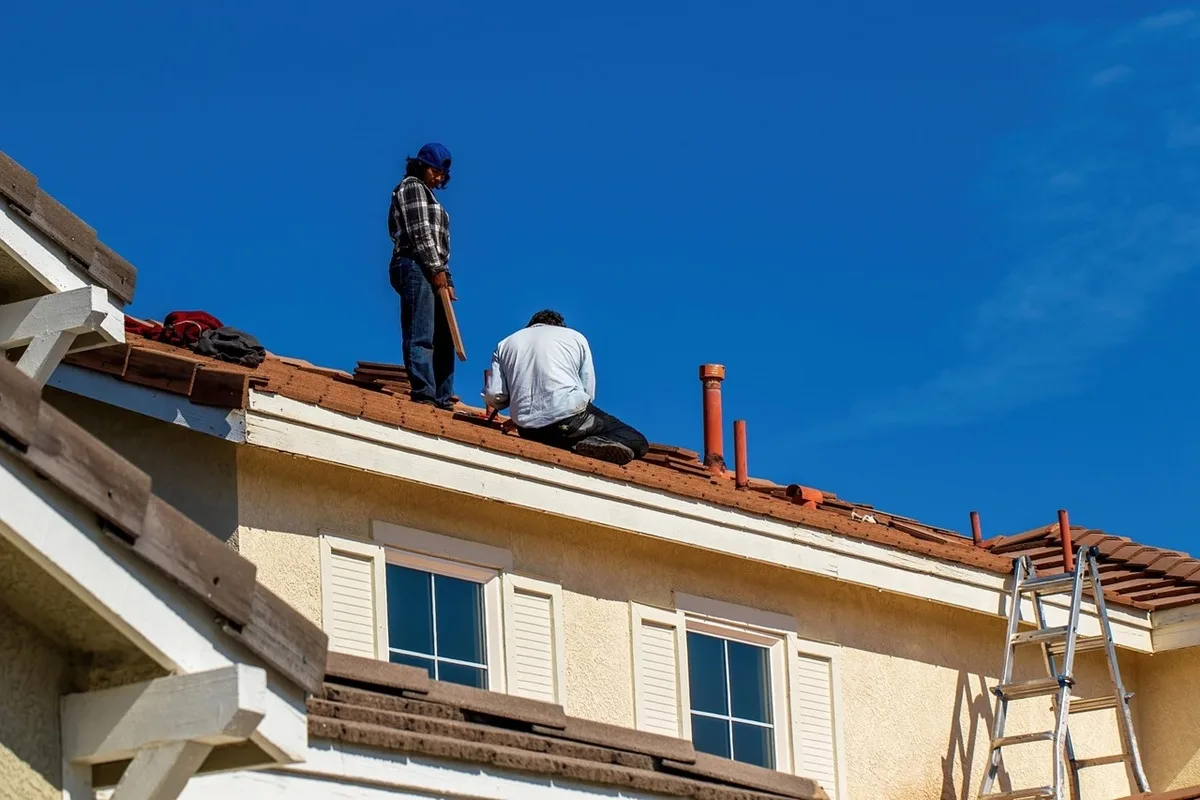
Roof repair can feel complex. In practice, it follows a simple flow. Inspect, diagnose, plan, fix, and check. Each step protects your home and your budget. It also helps you avoid repeat leaks. Roof repair should start with photos and a clear scope. You want the cause, not just the symptoms, addressed. Good contractors explain the method, the materials, and any access needs. They also plan for weather and safe working at height. Those planning matters, because leaks do more than mark ceilings. Persistent moisture drives damp and mould. These harm indoor air and can affect health. Tackle small defects early. It costs less and prevents wider damage. This guide breaks down the process, so you know what happens and why.
The roof repair process
A standard job has five parts. Survey, diagnosis, planning, the repair, and sign-off. Each part builds on the last and keeps risk low.
1) Survey and evidence
The visit starts outside. The roofer checks roof type, access, and visible defects. Inside, ceilings and loft spaces are checked for stains or mould. Photos create a record. Findings shape the scope and the quote.
2)Fault finding, not guesswork
The cause is confirmed before any fix. Slipped tiles, cracked flashings, perished valley liners, blocked outlets, or failed flat-roof seams are common. The goal is to fix the source, not just silence a drip.
3) Planning and safety
Working at height requires a plan. The team selects safe access, edge protection, or a MEWP where required. Weather is considered. The Work at Height Regulations requires roof work to be properly organised, with risks assessed, competent people, and suitable equipment. Bad weather is a valid reason to pause.
Materials and method
Like-for-like tiles or slates are ordered. For flat roofs, the system is matched, whether bitumen, single-ply, or liquid. Flashings are specified in lead or a compatible alternative. Gutter clearing often happens before the repair so water can run freely.
Protection on site
Ground sheets protect paths and beds. Loft items near the work zone are covered. Temporary waterproofing is kept ready in case of a shower.
4)Doing the repair
Damaged parts are removed. The substrate is checked. Rotten battens or decks are replaced. Wet insulation is taken out. Tiles or slates are refixed to the correct gauge and headlamp. Flashings are chased and pointed. On flat roofs, seams are cleaned, primed, and welded or detailed to the maker’s method.
5) Quality checks and sign-off
Fixings are checked. Valleys and abutments are inspected again. On suitable flat roofs, a controlled water test may be used. The site is tidied and waste is removed. You receive photos, notes on what was done, and simple aftercare.
Aftercare that helps
Keep the gutters clear. Trim back branches. Book seasonal checks after heavy wind or hail. These small actions extend the life of the repair.
Cost and time, in plain terms
Localised fixes are fast. Complex roofs, fragile coverings, hidden timber decay, or difficult access take longer. Matching heritage slates and new leadwork also adds cost. Clear scopes reduce surprises and delays.
Why speed matters
Leaks left alone drive damp and mould. That risks allergies and breathing issues, especially for vulnerable people. Stopping moisture at the roof limits those risks at the source.
Once-off checklist
- Photos of defects
- Clear scope
- Safe access plan
- Like-for-like materials
- Temporary weatherproofing
- Tidy site
- Before-and-after photos
- Simple aftercare notes
Common repair approaches
Before choosing a method, agree with the target area and the success criteria. Decide if the goal is to stop a single leak, extend service life, or prepare for renewal. Ask which materials suit your roof and climate, and what the expected lifespan is. Confirm how the team will test the fix and what aftercare is needed.
Pitched roofs
Small areas use tile or slate replacement with correct fixings. Damaged ridges are re-bedded or upgraded to a dry ridge where suitable. Flashing repairs seal junctions and stop capillary leaks.
Flat roofs
Seam re-welds, liquid detailing, or local overlays stop local failures. A full overlay or renewal is chosen if the membrane has failed across larger areas.
Drainage and airflow
Blocked gutters cause back-ups. Clearing outlets and adding eaves vents reduce condensation risk and help the roof breathe.
Final checks and next steps
A good roof repair is simple. Inspect, diagnose, plan, repair, then verify. The best results come from safe access, sound materials, and neat detailing. Ask for photos and a clear scope. Keep the gutters clear and note the roof after storms. Act fast on new stains. Small, timely repairs protect structure, finishes, and health. That is how you keep your roof ready for the next season.
FAQs
How long does a typical roof repair take?
Small tile or flashing repairs can be done in a few hours. Complex valleys or flat-roof sections may take a day or two, longer if timber needs replacing.
Can roof work go ahead in poor weather?
No. If weather conditions risk safety or affects adhesion, work should pause until conditions improve.
Do I need to leave the house during repairs?
Usually not. Expect some noise. Clear space for access and cover items in the loft near the work zone.
Will a patch last as long as a full replacement?
A precise repair in a sound roof can last years. If the system is at end of life, wider renewal is more reliable.
How can I prevent future leaks?
Keep gutters clear, trim branches, and book a yearly check. Act quickly if you see stains or smell damp.

