



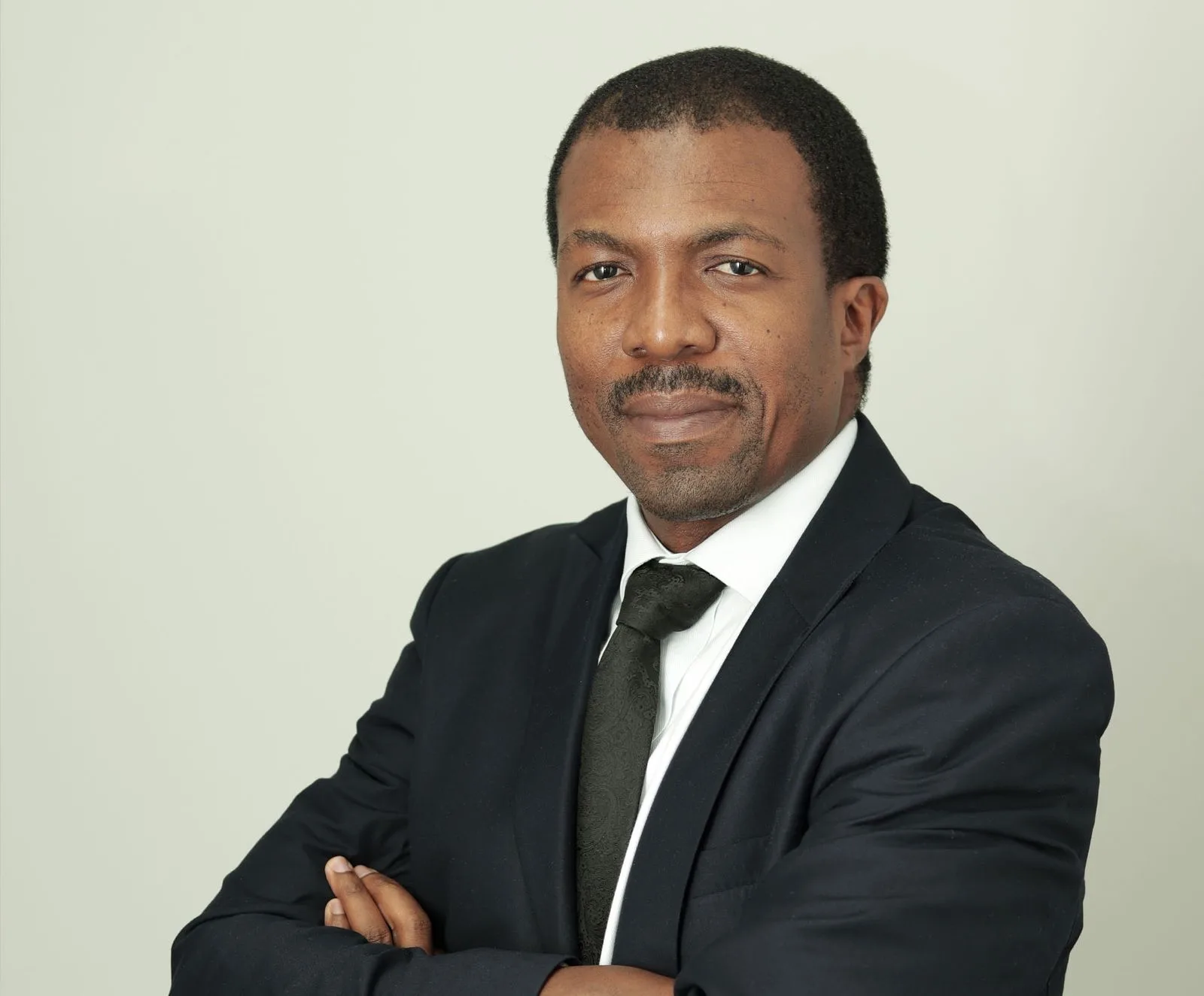
South Africa’s leadership problem is not a lack of knowledge or talent but a chronic failure to face consequences. That is the warning from Dr Sibongiseni Kumalo, Academic Dean at Regenesys Education, who says the country is rich in ideas, policies and bright minds but starved of accountability.
“Knowledge we certainly have. Policies we have. Bright minds, ideas. But accountability is one of the challenges,” says Kumalo. “The sense of owning your actions, taking feedback and correcting course when needed.”
He argues that this lack of consequence sits at the heart of South Africa’s leadership crisis. Policy failures, broken promises and deepening mistrust in institutions have less to do with intelligence or capacity and far more to do with weak follow-through and a culture of impunity.
“You can have the best plan in the world, but if no one owns the outcomes, it is meaningless. We keep producing strategies without producing accountable leaders who understand that every decision has a ripple effect.”
Kumalo believes accountability must be cultivated early and embedded into how leaders are developed: “It doesn’t have to be complicated. Something as simple as meeting a deadline teaches people to respect consequences. Those small habits form the foundation of responsible leadership.”
He also points to a widespread lack of self-awareness among people in positions of power: “Sometimes we don’t know what we don’t know. We are not teachable, we don’t listen to feedback, and we ignore how our behaviour affects others. That is why accountability matters. It forces us to face the results of our actions.”
Integrity, he believes, is the single most important leadership trait missing in the current environment: “Integrity is the extent to which we are able to align our actions and our words. If we say this is what we will do, then we must do it. If we can’t, we must explain why. You can’t preach one thing on Monday and end up on the front page on Sunday for doing the opposite.”
He warns that poor leadership often hardens people against criticism at the very moment they should be most open to it.
“Leadership tends to go into people’s heads. We block out feedback and think we know it all. But good leadership grows the heart. It accommodates different views and diversity, even when it’s uncomfortable.”
For Kumalo, the leadership challenge is not limited to politics or business. It cuts across every sector of society: “Leaders are not just people with titles. Leadership starts with personal responsibility and self-awareness. Until we build a culture ofconsequence, we will keep recycling ideas without results.”
He argues that accountability must be treated as a national imperative, not an afterthought: “Real leadership starts when people are prepared to be held responsible for their actions. That is when trust is rebuilt, and progress becomes possible.”
Kumalo’s message is a simple but urgent one. South Africa doesn’t need more plans. It needs more leaders who will own the outcomes of those plans.
“Leadership is not about titles or positions. It’s about who you are when no one is watching. That is where real change begins.”
By Dr Sibongiseni Kumalo. Academic Dean Regenesys Education

