



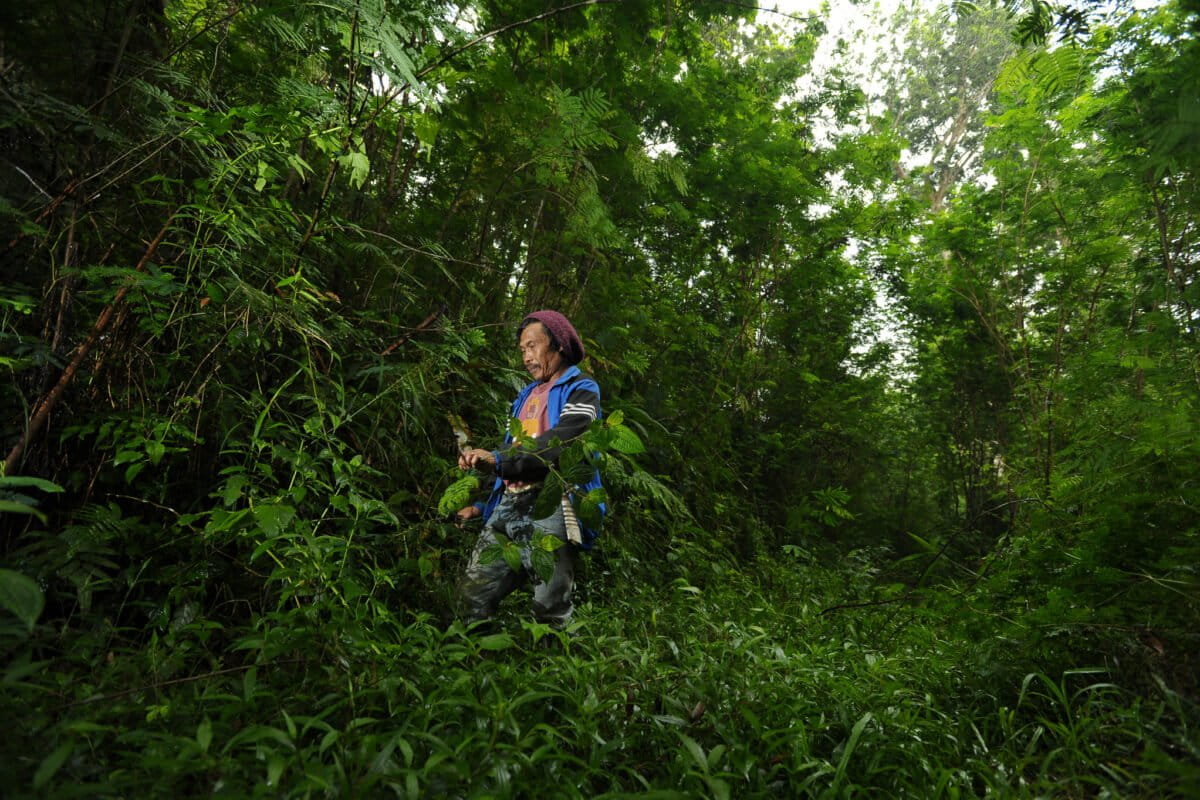
Home to Asian elephants, gibbons and critically endangered black-shanked douc langurs, the forests of Cambodia’s Keo Seima Wildlife Sanctuary were brought under a REDD+ project in 2010. However, several years into the project, Indigenous communities whose land was absorbed into the project reported legal harassment, crop destruction and property confiscation as a result of land conflicts with the scheme’s implementers. Across Southeast Asia, forest carbon projects like the one in Keo Seima are falling short on social justice safeguards, according to a recent study published in WIREs Climate Change. While carbon-offsetting programs have been around for more than a decade, they require continuous scrutiny to ensure they aren’t having unintended negative impacts, said Yingshan Lau, an economist at the National University of Singapore and lead author of the study. “Forest carbon credits transcend scale and geographies,” Lau said. “Decisions by more privileged groups of people in one part of the world could affect more vulnerable groups in other parts of the world.” Forest carbon initiatives, such as REDD+ (which stands for “reducing emissions from deforestation and forest degradation in developing countries”), are intended as a way of integrating forest conservation into climate change mitigation. Countries, companies and even individuals can buy “credits” sold through carbon markets that help them offset, or compensate for, their own emissions that can’t be avoided. These carbon credits are generated by carbon-sequestering activities like conservation of forests and ecosystem restoration. Natural forests, like this one in Indonesia, contain hundreds of native species that all contribute…This article was originally published on Mongabay
This story first appeared on Mongabay
This article is licensed under a Creative Commons Attribution-NoDerivatives 4.0 International License.
You may republish this article, so long as you credit the authors and Mongabay, and do not change the text. Please include a link back to the original article.

