



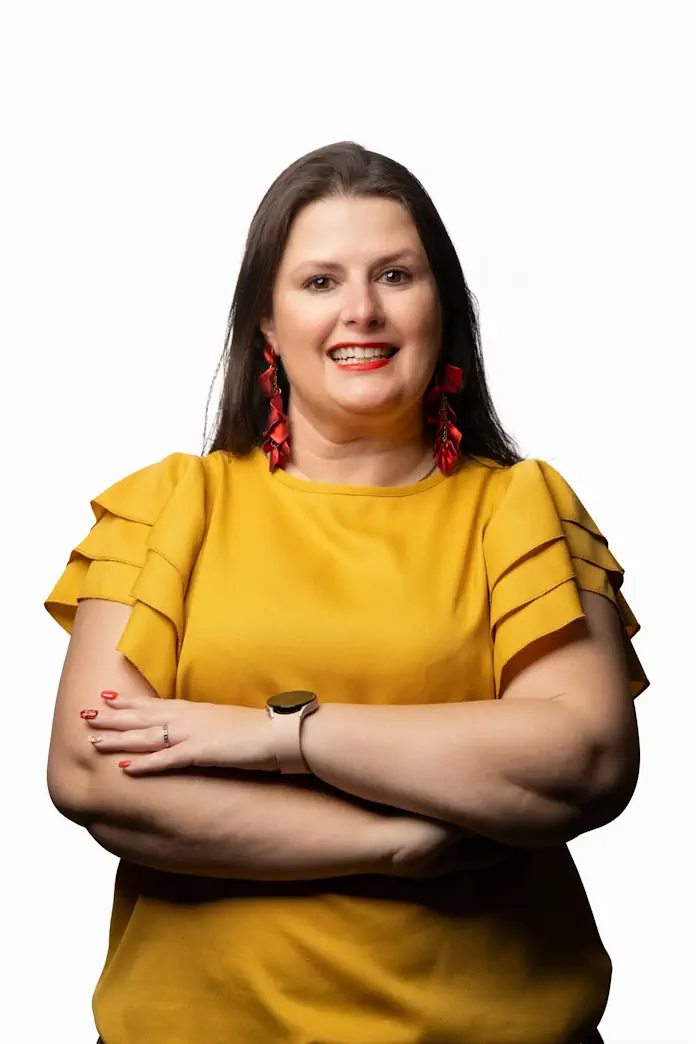
We rarely think about how fragile our plans are until life forces us to. Most of us assume we have time. Time to get healthier, to start saving, to take out that extra cover one day. But illness does not wait for convenience or stability. It arrives uninvited, disrupting everything from your routines to your sense of control.
That is when preparation, both medical and financial, becomes your anchor. I learnt this first-hand when my health suddenly changed, revealing just how closely physical and financial wellbeing are connected.
Before multiple sclerosis: A life built on independence
Long before I ever heard the words ‘multiple sclerosis’ (MS), I was raised to stand firmly on my own two feet. My late mother was the kind of woman who believed independence wasn’t just a skill, it was one’s responsibility. She taught me to be resourceful, courageous, and unafraid of life’s curveballs.
Those early lessons shaped who I am. I built my career with vigour and ambition. Independence wasn’t something I did; it was who I was. And anyone who knows me will be able to affirm these traits of mine.
But life, as we know it, has a way of testing the very foundation we stand on.
The day everything changed
Thirteen years ago…2012, to be precise, when it started as something so small, just pins and needles in my arm. I brushed it off. Busy people always do. But what followed was a battery of tests, medical uncertainty, and then the diagnosis that turned my world upside down: multiple sclerosis.
I remember the exact moment those words were spoken. It felt as though the floor opened beneath me. Suddenly, the life I had built, the independence I treasured, and the future I imagined all felt uncertain in that moment. But I am not someone who wallows in self-pity.
Life is unpredictable. Preparation is not optional.
The weight of dependency: A new reality
Multiple sclerosis doesn’t ask permission before it rearranges your orderly life. In 2017, my first relapse left me unable to walk independently. Tasks that once felt effortless became insurmountable. I had no choice but to rely on others: my husband, family, friends and colleagues.
For someone that was raised to be independent and self-sufficient, this was devastating. But it was also a powerful reminder: no one survives life’s hardest moments alone.
Why family and support structures matter
My support network became my anchor. My husband, who lifted me emotionally and sometimes literally. My friends, who offered humour on the darkest days. My colleagues, who provided understanding and flexibility. A diagnosis may change your body, but your support system strengthens your spirit. The right people don’t just make life bearable; they help you rise again.
Adapting my home: More than a physical adjustment
MS brings not only emotional and physical strain but also financial and lifestyle upheaval. To maintain my quality of life, my husband and I had to adapt our home by installing supportive infrastructure and rethinking how everyday tasks were done. Accessibility isn’t a luxury for someone with a disability. It’s survival. And adapting your home comes with costs most people never consider until they’re forced to.
Trust your medical team
When your health becomes unpredictable, it’s tempting to seek answers everywhere. But I quickly learnt: your specialist knows your body, your condition, and your unique attributes far better than any search engine ever will. Having a strong relationship with my neurologist and other medical professionals has been essential. Their guidance stabilised my journey and prevented me from making panic-driven decisions.
The financial reality: The unspoken side of illness
Your health is your wealth. Good health is the most important asset a person can have.
At one stage my medication cost me a staggering R15,000 a month. Add to that specialist visits, routine MRIs, regular tests, and ongoing rehabilitation…the costs climb very fast.
I was fortunate to have medical aid and gap cover, but even then, every bill reminded me that chronic illness is not just a health crisis; it’s a financial one. And here’s a hard truth: financial resilience should start long before illness ever appears.
What “uninsurable” really means
Two weeks before my diagnosis, I had the chance to increase my insurance cover. I put it off, assuming I had more than enough time. After all, I wasn’t even close to forty! In the blink of an eye, I was deemed uninsurable for certain benefits. This means insurers could no longer provide cover for conditions related to MS – simply because the diagnosis already existed. Once the illness is on record, your risk profile changes instantly. It was one of the most devastating financial lessons of my life.
Financial advisers: The unsung heroes
Had I acted earlier, had I listened to the advice of a financial adviser when I was young and healthy, my journey would have possibly been less financially stressful. A professional financial adviser doesn’t just sell cover. They safeguard your future. They map out risks you cannot see. They protect the version of you who hasn’t yet faced life’s toughest battles.
Your financial adviser should be one of the first people you lean on, not just after a crisis, but from your very first salary.
Start Early. Review Often. Protect Your Future Self.
Young people often think they have time on their side. I used to be one of them. But illness does not wait for convenience, stability, or when you’re ready. Financial planning and advice isn’t about fear; it’s about empowerment. It’s about ensuring that should the unthinkable happen, you will still have choices, dignity, and control.
The recovery mindset: More than medicine
Recovery is not simply physical. It’s mental, emotional, and deeply personal. It requires therapy, rehabilitation, and a willingness to rebuild the life you want to live. Surround yourself with people who uplift you. Hope is powerful, and so are the people who help you hold on to it.
By Thanya de Carvalho, Marketing Lead, Momentum Financial Planning

