



Every January in South Africa carries a familiar tension. Offices reopen, inboxes refill and traffic thickens. But for thousands of households across the country, the anxiety is far more personal. Matric results season is about hopes, expectations, family sacrifice and the belief that education can still open doors in a tough economy.
For the matriculating Class of 2025, that weight has been heavier than most. This group completed their schooling in a system under strain: disrupted teaching schedules, the lingering effects of Covid-19, overcrowded classrooms, uneven access to resources, and, in some cases, schools battling teacher shortages or absenteeism. And yet, many learners showed resilience, determination and adaptability that far outweigh what any results report can capture.
That matters in South Africa where we often speak about youth unemployment, skills shortages and the need for economic growth as abstract policy issues. In reality, they play out in living rooms right now, as families open envelopes or refresh websites, wondering what comes next. For some, the news brings celebration and relief. For others, disappointment and uncertainty.
It is important to say this clearly: not getting the results you hoped for does not mean your journey is over.
Our schooling system has trained generations of learners to see matric as a single gatekeeper to opportunity. A bachelor’s pass is positioned as the gold standard and anything else is framed as failure. This narrative does real damage. It overlooks the fact that success is rarely linear and that there are multiple pathways into meaningful careers, economic participation and personal growth.
At institutions like Regenesys Education, we engage daily with prospective students who want to become teachers, professionals, entrepreneurs and leaders, but who do not always meet traditional entry requirements straight out of matric. What we have learned is that academic potential cannot be reduced to one exam cycle.
For learners who narrowly miss the entry requirements for a degree, rewriting specific subjects is one option. For others, enrolling in a higher certificate can be a practical and empowering access route into higher education. These programmes build academic confidence, foundational skills and discipline-specific knowledge, while keeping doors open for progression into diplomas and degrees.
Importantly, this approach aligns with a broader idea that South Africa needs to take more seriously: epistemic justice. In simple terms, it means recognising that talent, intelligence and capability are not evenly measured by standardised systems that were never designed to accommodate our country’s social and economic inequalities. When we create multiple entry points into education and work, we create a fairer, more inclusive society.
Of course, access is not only about marks. For many families, finances are the biggest barrier. The reality is that further study, whether at a public or private institution, can feel out of reach. But again, the story does not end there.
South Africa has a growing ecosystem of support that young people often overlook. Corporate Social Investment (CSI) programmes across sectors continue to fund bursaries, learnerships, internships and skills development initiatives linked to education and economic inclusion. These opportunities require research, persistence and guidance … but they do exist.
Similarly, organisations such as the National Youth Development Agency provide support far beyond what many young people realise. From career guidance and skills training to entrepreneurship funding and mentorship, the NYDA remains an underutilised resource for youth navigating the uncertain space between school and work.
What the Class of 2025 needs most right now is perspective. We are living in a country where career paths are evolving rapidly. Teaching, business, technology, entrepreneurship and social impact work all require adaptable thinkers who can learn, unlearn and relearn. The grit shown by learners who completed school under the conditions of the past five years is precisely the kind of resilience the future workforce demands.
Parents, educators and institutions also carry responsibility. We need to stop reinforcing the idea that there is only one “right” outcome after matric. We must normalise alternative routes, celebrate progress at every stage, and support young people in building sustainable careers over time, not overnight.
To those celebrating their results: well done. Be proud, but stay humble and curious. To those who are disappointed: pause, breathe and remember that this is a moment, not a verdict. The path ahead may look different to what you imagined, but it can still lead to purpose and impact.
At Regenesys School of Education, and across the broader higher education sector, our commitment is to support social mobility, widen access to learning and equip young South Africans to participate meaningfully in the economy and society. The Class of 2025 is shaped by disruption…and that may prove to be its greatest strength.
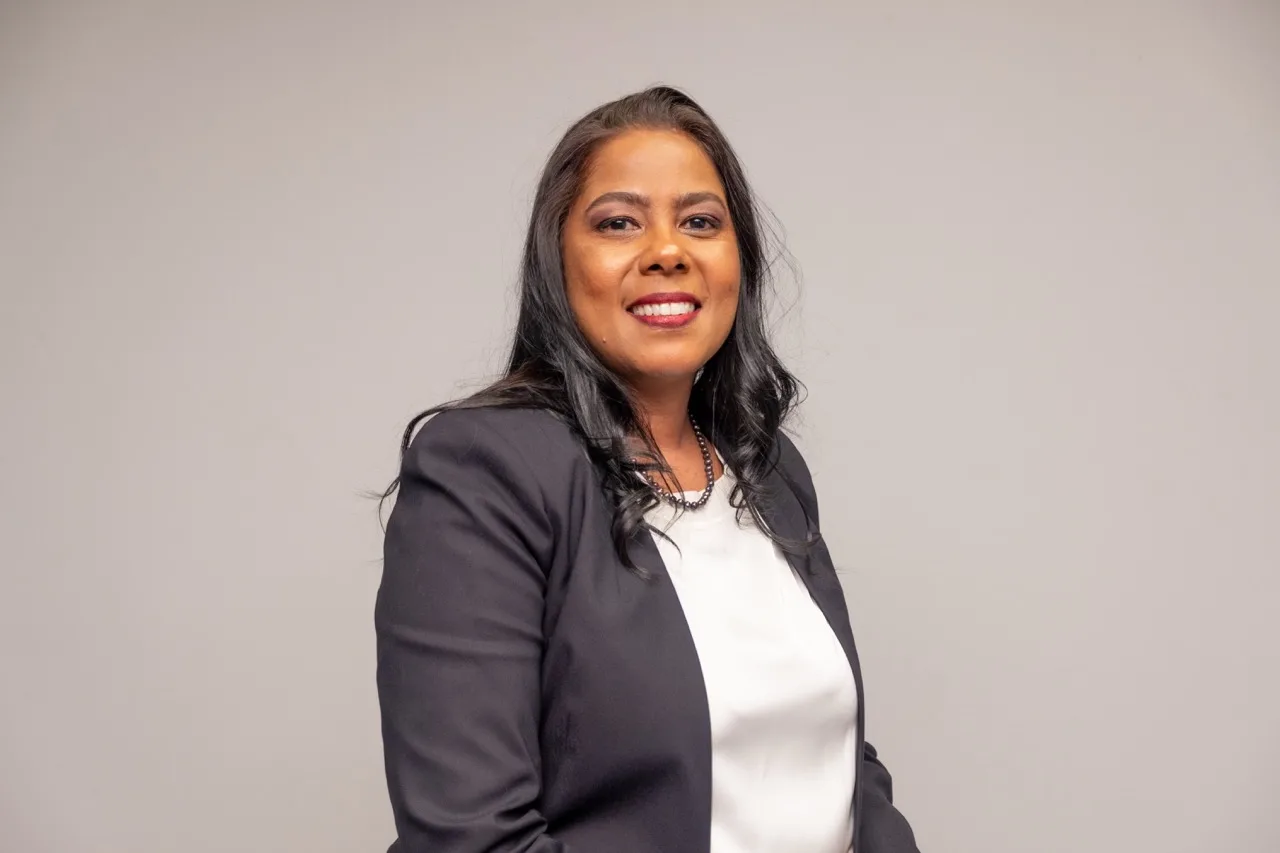
By Kamala Pather, Head of School, Regenesys Education.

