



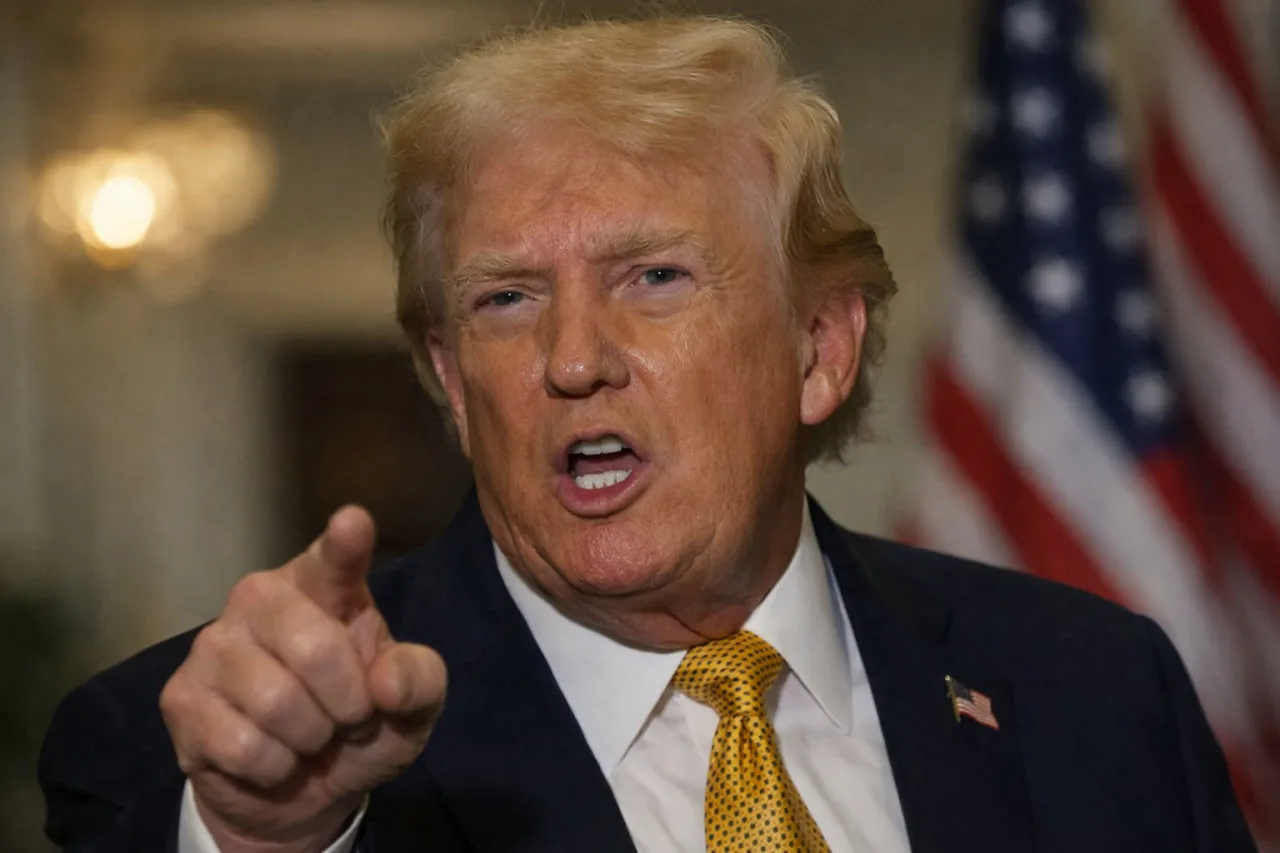
President Trump criticized NATO allies Tuesday for rejecting his call for assistance in securing the Strait of Hormuz amid the conflict with Iran. In a statement, Trump described NATO as a “one-way street,” noting the U.S. spends hundreds of billions annually protecting member countries while receiving little reciprocity, especially in times of need.
Hal Kempfer analyzed the allies’ hesitation from two angles. Politically, as democracies, European nations remain wary of entanglement in another Middle East war following their contributions after 9/11 under NATO’s Article 5—the only invocation of the treaty—which saw troops deployed to Iraq and Afghanistan. Denmark, for example, suffered higher per-capita military deaths than the U.S. in those conflicts, and the chaotic Afghanistan withdrawal reinforced reluctance.
Domestically, many European countries host large Muslim populations from the Middle East whose views on the Iran conflict differ sharply, raising fears of street protests and internal unrest if governments become more involved. Kempfer noted past verbal tensions, including Trump’s strong remarks toward European leaders and discussions about Greenland, have further strained relations.
Separately, the transcript referenced a strike in central Israel during an Iranian missile barrage using cluster munitions, which damaged a building in the Tel Aviv area and killed two people. Kempfer explained that Iran has shifted to equipping ballistic missiles with cluster warheads—a change from prior attacks—creating challenges for Israeli defenses like Iron Dome and David’s Sling. When intercepted overhead, the missiles disperse smaller munitions, complicating interception and increasing ground damage. While many nations deem cluster munitions illegal under the law of war, not all agree, and Iran continues their use.
Kempfer also addressed potential support for Iranian protesters, warning that the Basij and IRGC would likely respond brutally, viewing demonstrators as traitors. Effective military aid would require highly precise, time-sensitive tactical strikes to neutralize regime forces before they engage crowds—difficult but not impossible. Current U.S. and allied operations already target IRGC and Basij positions to weaken them in advance, with hopes that secular security elements might eventually side with protesters, though such developments remain weeks away.

