



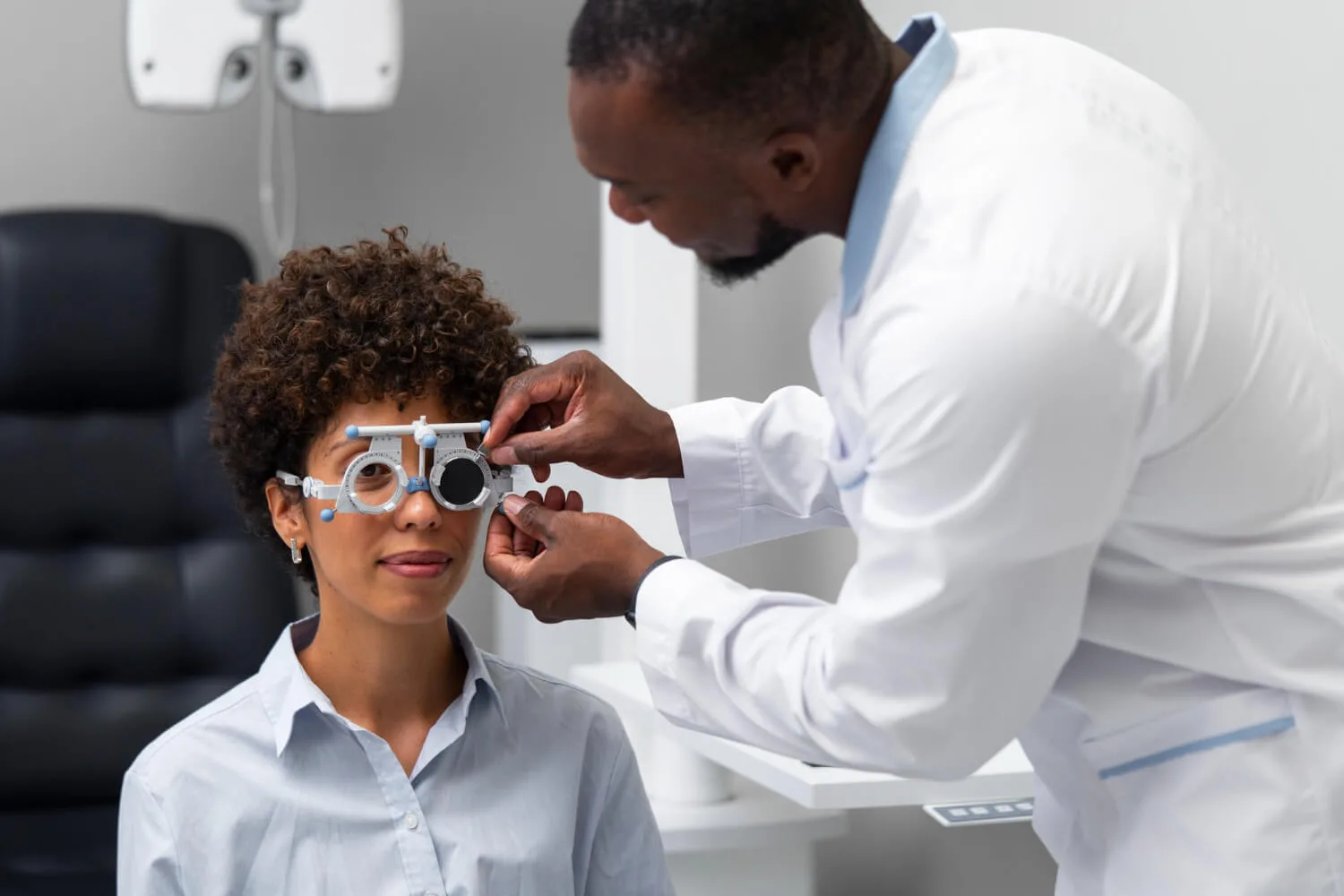
Affinity Health, a leading provider of high-quality health cover, is highlighting World Optometry Week (21–25 March) to remind people why regular eye examinations are an important part of everyday healthcare.
Many people only book an eye test once their vision becomes blurry or when headaches and eye strain start affecting daily life. In reality, eye tests are not only about updating glasses or contact lenses, as they also play a key role in detecting eye conditions early — often before any symptoms are noticeable.
Why Eye Tests Matter More Than You Think
A routine eye test does more than measure how well you can see. A full examination allows an optometrist to check the health of the eyes, monitor changes over time, and spot early signs of eye disease. In some cases, eye tests can also highlight indicators of broader health issues such as diabetes or high blood pressure.
Since many eye conditions develop slowly and without pain, problems can progress unnoticed. Regular eye tests help to identify concerns early, when treatment and management are most effective.
How Often Should You See an Optometrist?
The frequency at which someone should have an eye test depends on their age, overall health, and personal risk factors. As a general guide:
- Adults aged 18 to 60 should have an eye test every one to two years.
- Adults over 60 are advised to have an eye test every year.
- Children and teenagers should be tested as recommended by an optometrist, especially during school years and periods of growth.
- People with pre-existing eye conditions should attend regular eye tests as recommended by their eye care professional.
Those who wear glasses or contact lenses may also need more regular check-ups to ensure prescriptions remain accurate and eye health is properly monitored.
Who May Need More Frequent Eye Tests?
Some people are at a higher risk of developing eye problems and may benefit from seeing an optometrist more often. This includes individuals with a family history of eye disease, people living with diabetes or high blood pressure, those who spend long hours using digital screens, people who experience frequent headaches or eye strain, and individuals who have had previous eye injuries or eye surgery. Regular monitoring helps detect changes early and reduces the risk of long-term vision problems.
Eye Conditions That Benefit from Early Detection
Routine eye tests can pick up many common eye problems early, often before you notice any changes in your vision. This includes glaucoma, a condition which usually has no early warning signs, age-related macular degeneration, cataracts, diabetic eye disease, and eyesight changes that slowly worsen over time.
Digital Lifestyles and Eye Health
Spending long hours in front of screens can put added strain on the eyes. Over time, this may cause digital eye strain, dry or irritated eyes, headaches, and blurred vision. While these issues are often short-term, ongoing strain can affect comfort, concentration, and day-to-day productivity if not managed properly.
Children’s Vision and Learning
Clear vision plays an important role in learning and development. Children may not realise they are struggling to see clearly, and vision problems can sometimes show up as difficulty concentrating, poor reading performance, or reduced confidence at school. Regular eye tests help ensure vision issues are recognised and managed early.
Eye Health and Overall Wellbeing
Good vision supports independence, safety, and quality of life at every age. Poor eyesight, on the other hand, can increase the risk of accidents, affect work performance, and contribute to fatigue and stress. Looking after eye health is therefore an important part of maintaining overall wellbeing.
Conclusion
Regular eye tests play a vital role in protecting long-term vision and maintaining overall quality of life. Detecting changes early can help prevent avoidable vision loss, support independence, and ensure eye conditions are managed before they affect daily activities. Affinity Health encourages a proactive approach to eye health by providing access to optometry benefits through its partnership with Spec-Savers, helping members to attend regular eye tests and identify vision problems early.
About Affinity Health
Affinity Health is South Africa’s leading health cover provider, offering you a range of options at affordable rates, including access to the widest national provider network. We understand the importance of having medical insurance that meets your needs, budget, and lifestyle. Our healthcare products are designed to protect you and your family when it matters the most. We strive to give our clients peace of mind and the highest standard of service. For more information, follow us on Facebook, Twitter, and Instagram.

