



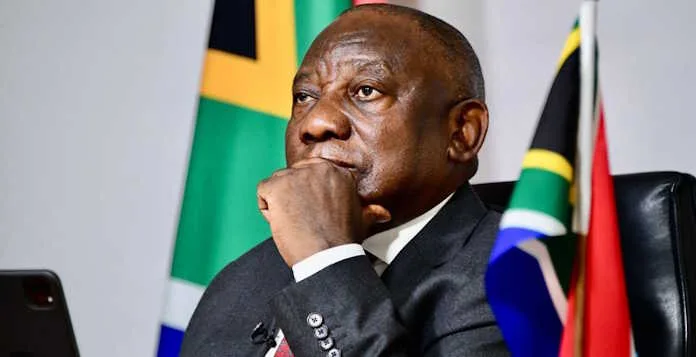
South Africa’s foreign policy under the direction of President Ramaphosa is presented as a sophisticated balancing act on the world stage: a series of high-profile summits, ideological alignments and strategic partnerships. However, for the average citizen in Johannesburg, Cape Town, or Polokwane, these diplomatic maneuvers often feel worlds away from the daily struggle of rising costs and failing infrastructure.
When the government chooses to prioritize ideological ties over pragmatic economic partnerships, the consequences are felt in the kitchen, the petrol station and the job market. There is a growing concern that the current administration is more focused on its standing in the Global South than on the bread-and-butter issues that determine the quality of life for 60 million South Africans.
The Real Cost of Diplomatic Posturing
The most immediate way foreign policy hits home is through energy security. South Africa remains deeply vulnerable to global oil price shocks. When geopolitical tensions flare, particularly in the Middle East, the impact is immediate. In early 2026, diesel prices surged by over 3%, directly increasing the cost of over 80% of the country’s freight.
This “logistics shock” means that when the government aligns itself with certain global actors, it often ignores the risk of secondary sanctions or the loss of investment from traditional trading partners. By focusing heavily on relations with entities like Hamas and countries like Iran, the administration risks alienating the very markets: such as the European Union, that remain the largest sources of foreign direct investment.
Neglect of Domestic Infrastructure and Safety
While Ramaphosa’s foreign policy invests significant political capital and legal resources into international court cases and diplomatic missions, domestic systems are in a state of visible decline.
- Crime and Law Enforcement: South Africans are facing an internal crisis. The South African Police Services (SAPS) recorded over 411,000 counts of serious and violent crime in a single quarter recently. While the state debates global justice, citizens are left to navigate skyrocketing kidnapping rates and commercial crimes that undermine local business growth.
- The Health and Immigration Gap: A foreign policy that fails to prioritize regional stability and border integrity places an immense burden on the national health system. Without a cohesive strategy to manage migration and secure borders, local clinics and hospitals are increasingly overstretched, leading to a decline in the quality of care for all.
Missed Opportunities
Perhaps the most damaging aspect of the current foreign policy is the ideological boycott of beneficial technologies. South Africa recently voted against UN resolutions on agricultural technology, tools that provide climate-smart farming and water-efficient irrigation.
By rejecting access to world-leading water desalination and agricultural tech, the government is effectively turning its back on:
- Small-scale farmers: Nearly 60% of whom live below the food poverty line.
- Water Security: At a time when infrastructure is collapsing, South Africa cannot afford to snub proven solutions to drought and water scarcity.
- Economic Resilience: Trade within certain blocs, like BRICS, remains heavily tilted. South Africa continues to export raw materials while importing high-value goods, failing to create the manufacturing jobs needed to lower a youth unemployment rate that sits stubbornly above 43%.
Diplomatic Win or Economic Loss?
South Africa is globally connected but economically exposed. The administration’s preference for symbolic diplomacy over practical cooperation has created a disconnect where diplomacy on the world stage results in an economic loss at home. Until foreign policy is measured by its ability to lower fuel prices, secure the streets and create jobs, it remains a luxury the country can ill afford.
FAQ: Foreign Policy and Your Pocket
Why does foreign policy affect my grocery bill?
South Africa imports a vast amount of its fuel. When diplomatic relations favor regions in conflict or lead to shipping disruptions, transport costs rise. These costs are passed directly to consumers through higher food and goods prices.
Is there a link between diplomacy and crime?
When the government prioritizes its budget and attention on international legal battles and high-level summits, it often results in resource diversion. This leaves less funding and political will for modernizing the SAPS and addressing the surge in domestic crime.
What is the current unemployment situation?
As of late 2025/early 2026, the official unemployment rate remains high at 31.4%, with youth unemployment even higher. A foreign policy that does not actively court manufacturing investment and high-tech partnerships fails to address this core crisis.

