



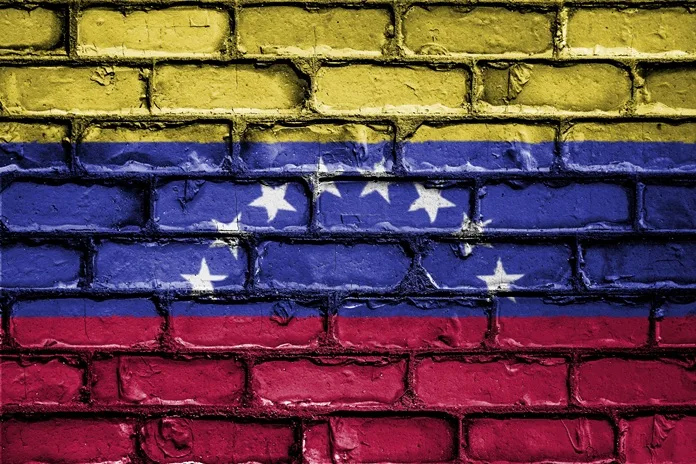
U.S. President Donald Trump has stirred controversy after publicly suggesting that Venezuela could one day become America’s “51st state,” sharing a graphic online depicting the South American nation covered by the U.S. flag.
Trump posted the image on his Truth Social platform while traveling to China for a major diplomatic summit. The graphic labeled Venezuela as the “51st State” and quickly triggered political backlash and international attention.
The post followed comments from Venezuela’s interim president, Delcy Rodríguez, who said her government had never considered joining the United States, even after former Venezuelan President Nicolás Maduro was captured by U.S. forces earlier this year.
During a Fox News interview on Monday, Trump said he was “seriously considering” the idea, pointing to Venezuela’s strategic location and massive oil reserves. Rodríguez dismissed the proposal and emphasized that Venezuela would remain an independent nation.
Since taking office after Maduro’s removal, Rodríguez has pursued closer economic ties with Washington and pushed reforms aimed at reopening Venezuela’s oil and mining sectors to foreign investment, particularly from American companies.
Meanwhile, Venezuela’s opposition movement continues pressing for new national elections. Asked recently about the timing of a possible vote, Rodríguez said she could not provide a date but indicated elections would happen “sometime.”
Economic relations between the two countries have strengthened rapidly in recent months. The Venezuelan American Chamber of Commerce and Industry reported that bilateral trade climbed 22.7% during the first quarter of the year, reaching $3.29 billion compared with $2.68 billion during the same period in 2025.
According to U.S. trade data, Venezuelan exports to the United States totaled roughly $1.8 billion, with crude oil making up more than 96% of those shipments.
Washington and Caracas officially restored diplomatic relations in March following years of strained ties. Rodríguez’s administration quickly moved to reduce state control over the energy sector in an effort to attract foreign investors, while the United States eased several sanctions on Venezuela’s oil industry and approved operating licenses for foreign companies in the country.

