



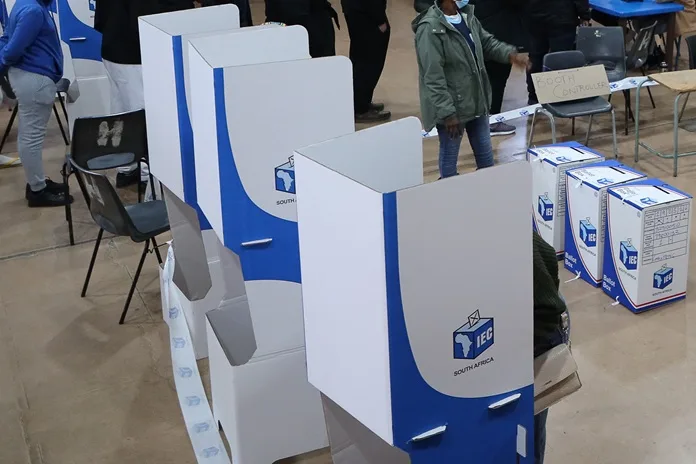
CAPE TOWN, WESTERN CAPE — As the 2026 Voter Registration Weekend approaches, the IEC Western Cape has finalized its operational blueprint to ensure a seamless enrollment process for the upcoming local government elections. Speaking from the provincial Results Operations Centre in Century City, IEC Western Cape Chair Michael Hendrickse provided a comprehensive update on the logistical frameworks, security measures, and streamlined requirements designed to maximize voter participation across the province.
Massive Logistical Rollout
Hendrickse confirmed that a vast network of 1,622 voting stations will be activated across the region. These facilities will operate strictly between 8:00 a.m. and 5:00 p.m. on both Saturday and Sunday. Acknowledging the historical disparities in infrastructure development across the country, the electoral body has deployed 36 temporary voting sites to serve communities that lack permanent, suitable venues.
Navigating Security and Environmental Hurdles
A major focus of the briefing was the mitigation of environmental and security risks to ensure uninterrupted access. Hendrickse explained that recent severe weather has compromised road access in several deep rural zones. To counter this, the commission is actively coordinating with provincial and local disaster management authorities, alongside the South African Police Service (SAPS), to monitor and clear routes.
Furthermore, addressing the persistent threat of gang-related violence, the IEC has forged strategic alliances with SAPS, municipal law enforcement, and Community Police Forums (CPFs). Hendrickse emphasized that these whole-of-society collaborative efforts are specifically designed to guarantee that residents can travel to and from registration sites without fear for their personal safety.
Streamlined Documentation and Address Rules
The commission is actively removing traditional bureaucratic hurdles to encourage higher turnout. Hendrickse clarified that citizens only need to present an original, valid identity document. Acceptable forms include a smart card, the traditional green barcoded ID book, or a temporary identity certificate issued by the Department of Home Affairs. Photocopies will be strictly rejected at the doors.
Additionally, the requirement for formal proof of residence has been scrapped. Recognizing that many residents lack formal lease agreements or official street addresses, voters can simply verbally state their location or indicate it on a map at the station. The IEC will then assign them to the appropriate voting district. This step is critical for the upcoming local government elections, as citizens are legally required to cast their ballots at the specific local station where they are registered.
Digital Channels and Youth Mobilization
For those unable to visit a physical station over the weekend, Hendrickse highlighted the continuous availability of the online portal at www.elections.org. The digital platform operates 24/7, allowing users to register or update their details in a quick process that takes just three to five minutes. Local IEC branches also remain accessible to the public during standard weekday hours.
To tackle voter apathy, the provincial branch is aggressively targeting the youth and first-time voter demographics. Initiatives include peer-led drives at universities and TVET colleges, where young people are utilized to register their peers—a strategy Hendrickse noted has been highly effective.
Additionally, the Schools Democracy Program targets grades 10 through 12 to provide civic and democracy education. Through this initiative, IEC teams visit high schools with mobile voter management devices, allowing eligible 16-year-old learners who already possess an ID to register directly on campus.
Hendrickse closed the address with an urgent plea for civic engagement, reminding the public that failing to register during this window means being excluded from the November ballots, effectively silencing their voice in local council representation.

