



Travel continues to evolve as technology, consumer preferences, and global connectivity influence the way people experience the world. Modern travelers are no longer focused solely on reaching a destination. Instead, they are seeking meaningful experiences, greater convenience, and opportunities to personalize every aspect of their journeys.
As travel becomes more accessible and information becomes easier to obtain, people are exploring destinations with new priorities in mind. From digital planning tools to sustainable tourism practices, several important trends are shaping how individuals and families travel today. Understanding these trends provides insight into the future of global tourism and the experiences travelers increasingly value.
Experience-Based Travel Continues to Grow
One of the most significant trends in modern tourism is the growing demand for experiences rather than simply visiting destinations. Travelers are increasingly seeking activities that allow them to engage with local cultures, traditions, and communities in meaningful ways.
Rather than focusing exclusively on sightseeing, many travelers prioritize immersive experiences such as culinary tours, cultural events, outdoor adventures, and educational activities. These opportunities help create lasting memories while providing deeper connections to the places they visit. This shift toward experience-based travel has encouraged destinations worldwide to develop unique attractions that appeal to visitors looking for authentic and memorable journeys.
Technology Is Transforming Travel Planning
Technology has dramatically changed how travelers research, book, and manage their trips. Smartphones, mobile applications, and online platforms provide instant access to reviews, recommendations, transportation information, and booking services.
Travelers can compare accommodations, monitor flight schedules, access digital boarding passes, and receive real-time updates throughout their journeys. Artificial intelligence and personalized recommendation systems are also helping travelers discover experiences that align with their interests and preferences. The convenience offered by digital tools has simplified many aspects of travel, making planning more efficient and reducing uncertainty throughout the travel process.
Sustainable Tourism Is Becoming a Priority
Environmental awareness continues to influence travel decisions around the world. Many travelers are actively seeking destinations, accommodations, and transportation options that support responsible tourism practices.
Sustainable travel may involve reducing environmental impact, supporting local businesses, conserving natural resources, and promoting cultural preservation. Travelers are increasingly interested in understanding how their choices affect the communities and environments they visit. As demand for sustainable tourism grows, travel providers are investing in initiatives designed to promote environmental responsibility while maintaining positive visitor experiences.
Remote Work Is Creating New Travel Opportunities
The rise of remote and flexible work arrangements has contributed to new travel behaviors. Many professionals are no longer restricted to traditional office environments and can work from a variety of locations around the world.
This flexibility has led to the growth of extended stays, work-and-travel experiences, and digital nomad lifestyles. Travelers can combine professional responsibilities with opportunities to explore new destinations, creating entirely new categories of travel experiences.
Smarter Transportation Enhances Accessibility
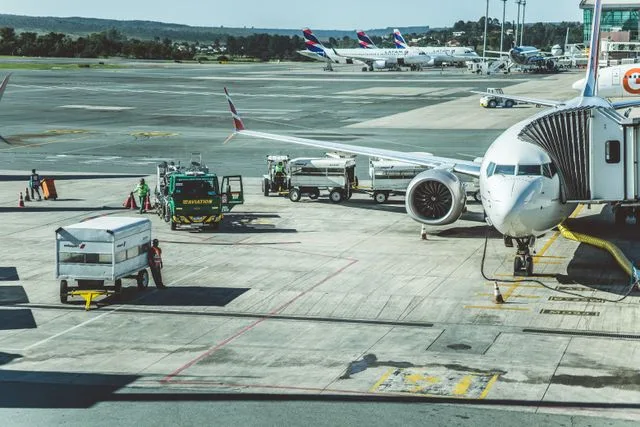
Innovations in transportation continue to make travel more efficient and accessible. Airlines, airports, and transportation providers are investing in technologies that improve scheduling, communication, and passenger experiences.
Behind the scenes, specialized maintenance equipment and support tools help ensure transportation systems operate safely and reliably. Equipment solutions such as GripEdge Tools for airplanes contribute to maintenance operations that keep aircraft functioning efficiently and support the broader travel ecosystem. As transportation networks continue to modernize, travelers benefit from improved reliability, reduced delays, and smoother journeys overall.
Personalization Is Influencing Travel Choices
Travelers increasingly expect experiences tailored to their individual preferences. Personalization has become a major trend across virtually every segment of the travel industry. Travel providers use customer data and advanced analytics to recommend destinations, accommodations, dining options, and activities that match specific interests. Loyalty programs and digital platforms further enhance the ability to create customized travel experiences.
Conclusion
Travel trends are reshaping the way people explore the world by emphasizing experiences, personalization, sustainability, wellness, and technological convenience. Modern travelers are increasingly focused on meaningful journeys that align with their values, interests, and lifestyles.
As the travel industry continues to evolve, destinations and service providers that adapt to these changing preferences will be well positioned to meet future demand. The result is a more connected, flexible, and enriching travel landscape that offers exciting opportunities for explorers around the globe.

