




When Statistics South Africa published its first-quarter labour force survey last month, the numbers made grim reading. The economy shed 345,000 jobs between January and March, pushing the national unemployment rate to 32.7%. Among South Africans aged 15 to 34, nearly half 45.8% remain locked out of the economy.
Against this backdrop, and coinciding with National Youth Month, a period typically defined by sobering reflections on youth unemployment, Afrirent Holdings is bucking the macroeconomic trend by actively expanding its workforce.
The fleet management group has confirmed a major recruitment drive driven by its upcoming national operations and regional expansions. Central to this growth is a newly secured, 60-month national fleet contract that expands Afrirent’s footprint across public entities and commercial channels in all nine provinces.
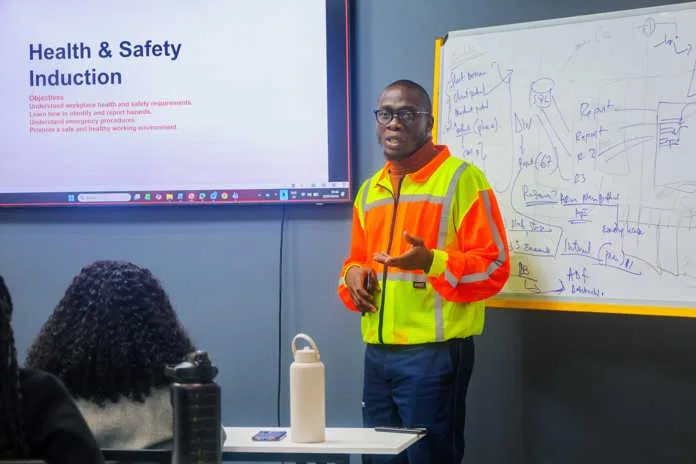
This major national mandate has already generated 265 new permanent jobs. Of these, 190 individuals have already been on boarded, completed training, or actively commenced work.
Operating nationally, this contract positions Afrirent as one of the country’s leading fleet management powerhouses, managing over 140,000 assets within its holdings portfolio. Over its five-year tenure, the project is structured to onboard approximately 9,000 local merchants—including vehicle service centres, panel beaters, towing companies, and tyre fitment hubs—providing critical volume and long-term job security to independent automotive businesses across South Africa.
Afrirent’s Mpumalanga scholar transport project will add a further 96 positions to the group’s employment footprint, 90 commercial drivers and 6 operational and administrative staff supporting the project on the ground.
“In an economy under severe strain, job creation cannot just be a corporate KPI; it must be an intentional intervention,” says Ms Thenjiwe Tsabedze, Chief Executive Officer of Afrirent Holdings. “As we reflect on Youth Month, our focus is on transitioning young South Africans and women from theoretical talent into active economic participants.”
The group’s latest payroll data reflects this shifting corporate demographic. Afrirent Holdings now employs 703 people nationally, comprising 287 women and 485 men. Crucially, the company has begun aggressively driving gender transformation within a historically male-dominated industry, with 18 women currently occupying key leadership roles across the group.

To sustain this pipeline, the company has placed 27 individuals into dedicated internships and awarded 16 comprehensive academic bursaries through the Tsabedze Foundation, established to advance corporate social investment (CSI) initiatives across the Afrirent Holdings group of companies. The bursaries cover full tuition fees, student accommodation, a monthly living stipend, a laptop, and a once-off textbook allowance, ensuring beneficiaries have the resources they need to complete their studies successfully. Looking ahead, the group is eyeing technical skills scarcity.
“There is a profound national need for qualified women technicians,” Tsabedze adds. “In response, the Tsabedze Foundation will focus its upcoming bursary allocation specifically on women in technical fields. Applications will reopen in January 2027, and we encourage young women to view engineering and fleet mechanics as viable, high-growth career paths.”
Founded in 2003 by Board Chairperson Senzo Tsabedze as South Africa’s first black-owned fleet management firm, Afrirent has steadily expanded its footprint across large-scale municipal, state-backed, and private enterprise portfolios.
While South Africa’s broader unemployment crisis—affecting 8.1 million people—requires structural macroeconomic shifts, Afrirent’s targeted commercial scaling provides a practical blueprint for how private-sector operational capacity can directly stimulate employment.

