Blue Mind is water-associated peace. ‘A mildly meditative state characterised by calm, peace, unity and a sense of general happiness and satisfaction with life in the moment.’
The delightful onomatopoeic word susurrus, derived from Latin for a ‘whispering or murmuring’ sound, describes the soft noises of water. Perfectly. A river rustling its way around boulders, the ocean rattling over seashells as it retreats or a waterfall’s velvet rumbling, snuggling your senses in white noise. Perhaps that’s why we are instinctively drawn to water …it’s a quiet neutraliser to the mental chatter of modern life.
‘What is becoming increasingly clear,’ says Craig Erasmus, CEO of Mantis Collection, ‘is that water influences both mind and body. Studies show that looking at or listening to water can lower heart rate, reduce breathing rates and decrease levels of cortisol, our primary stress hormone, moving us into a calmer, more relaxed state.’
The idea of ‘blue health’ was popularised in 2014 by marine biologist Dr. Wallace J. Nichols. His bestselling book ‘Blue Mind’, first published a decade ago, brought together years of research and insights into how being in, on or near water can improve our self-awareness, creativity and health. This restorative feeling is linked to an increase in mood-boosting hormones and a greater likelihood of engaging in physical exercise. People who live near water tend to be more physically active, whether through swimming, walking, paddling or simply spending more time outdoors.
In many ways it’s the antidote to the burned-out ‘Red Mind’ – stressed, distracted and overstimulated state fuelled by constant notifications, deadlines and digital demands associated with our technology-heavy, modern lives.
Unlike urban environments, which constantly demand our attention, water engages the senses gently. The rhythmic movement, changing light, shifting colours and reflections engaging your brain and mind without asking anything of you. This process aligns with what researchers call the Attention Restoration Theory, which suggests natural environments help replenish mental energy and reduce cognitive fatigue.
Spending extensive time near water, actively lowers stress and anxiety and activates your parasympathetic nervous system, helping the body move from a state of vigilance into one of rest and recovery. Coastal environments may also contribute to improved mood and better sleep, with the rhythmic sounds of waves helping the brain relax and switch off from the constant heightened alertness.
The healing power of water is not a new idea. Seaside retreats have been recommended for health and wellbeing for centuries. Today, water-based therapies are increasingly being used to support people experiencing stress, anxiety, trauma and physical rehabilitation.
Programmes around the world use surfing, swimming, kayaking and flotation therapy to help military veterans, children with disabilities and people living with mental health challenges. Researchers continue to explore how these aquatic environments can support emotional resilience and recovery.
But the benefits extend beyond mental wellbeing. On a practical level, beaches, lagoons and riverbanks often encourage social interaction and outdoor recreation, creating opportunities to connect with both nature and other people. Together, these factors may help explain why people feel healthier, calmer and more energised when they spend time near water.
According to the Global Wellness Institute, wellness travel is now one of the fastest growing segments of tourism. ‘Wellness travel is shifting,’ explains Erasmus. ‘Travellers are choosing journeys that promote inner calm, emotional restoration and nature-led revitalisation, it’s a multi-dimensional journey. Science backs the fact that nature is the ultimate healer and at Mantis, we offer it at our luxury eco-lodges locally and internationally, where water plays a heroes’ role’.
Along the shores of Zanzibar, Madagascar, Bahrain and the remote island of St Helena, the ocean sets the pace. Guests are invited to slow down and reconnect with nature. From barefoot walks on the beach, turquoise tides and warm salty, sea breezes to sunrise yoga, the meditative calm of early morning swims, catamaran trips, snorkelling or diving surrounded by pristine waters that support a vibrant ecosystem and serene island landscapes. On one of the world’s most remote inhabited islands, Mantis St Helena offers a rare kind of escape with around 750 marine species recorded in the island’s waters. The island has a resident population of Pantropical, Spotted, Bottlenosed and Rough-Toothed Dolphins, while the rugged coastal walks and endless ocean views remind us of the connection between nature, solitude and emotional renewal.
It’s in places like these that wellbeing is found in the surroundings: The sound of water, uninterrupted horizons and the time to sit and relax.
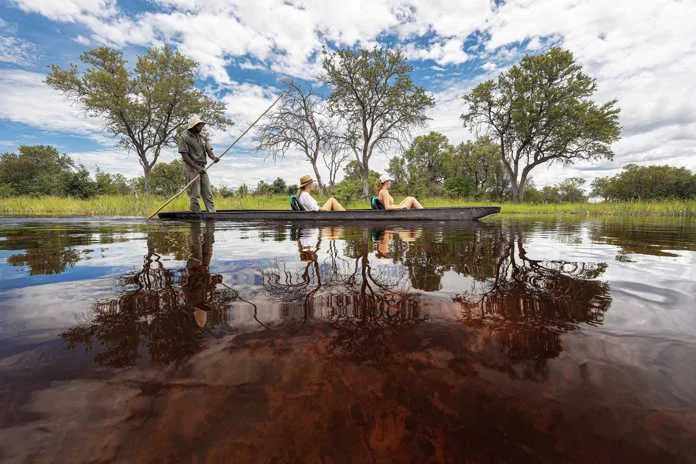
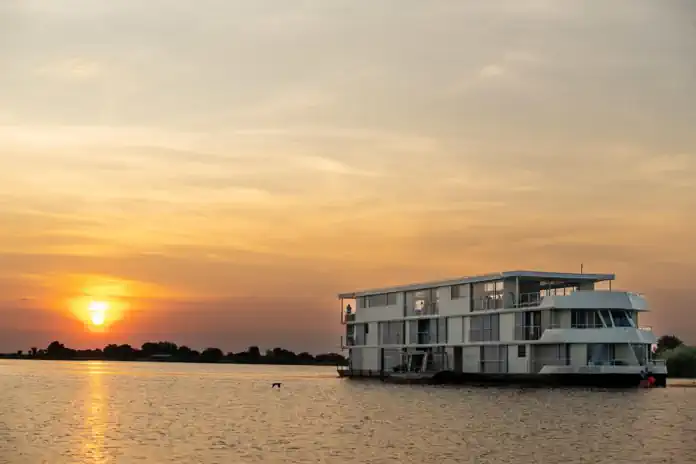
Blue Mind experiences are not limited to the ocean. In Botswana’s waterways, you can drift silently through reed-lined channels on a traditional mokoro at Feline Fields by Mantis, listening to birdsong and the gentle sounds of water. Aboard the Zambezi Queen by Mantis, the Chobe River becomes is a sanctuary where wildlife gathers at the water’s edge and each bend reveals a new scene.
‘From oceans and island coastlines to rivers, wetlands and waterways, our properties, tucked away in biodiverse reserves, coastal havens and beautiful landscapes, allow you unplug and reconnect. To reduce stress, boost creativity, improve sleep and restore emotional balance.’
Long before science began studying Blue Mind, people already understood the therapeutic effects of water. It’s unique ability to quiet the noise of everyday life, restore perspective and remind us to slow down.