



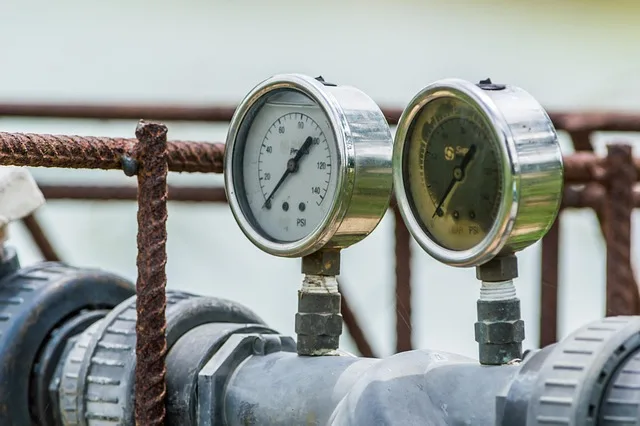
Pumps are among the most essential pieces of equipment used across commercial, industrial, and residential sectors. From water distribution and wastewater treatment to oil and gas operations, manufacturing, construction, agriculture, and HVAC systems, pumps ensure the efficient movement of liquids and other fluids. Choosing reliable pump suppliers in UAE is crucial for businesses seeking high-quality products, dependable performance, and long-term operational efficiency.
The UAE has become a major industrial and commercial hub in the Middle East, creating significant demand for advanced pumping solutions. Whether you need centrifugal pumps, submersible pumps, booster pumps, or specialized industrial pumps, working with experienced suppliers ensures access to the latest technologies, expert guidance, and dependable after-sales support.
Why Pumps Are Essential Across Industries
Pumps perform critical functions in countless applications. They help transport water, chemicals, oils, fuels, and other fluids safely and efficiently. Without reliable pumps, many industrial processes, municipal systems, and commercial facilities would struggle to operate effectively.
Modern pumping systems improve productivity while reducing energy consumption, maintenance costs, and downtime. Businesses increasingly invest in high-efficiency pumps that comply with environmental regulations and support sustainability goals.
Industries That Depend on Pumps
The UAE’s diverse economy relies on pumps across numerous industries.
Oil and Gas
Oil refineries, offshore platforms, storage terminals, and fuel distribution facilities require heavy-duty pumps capable of handling petroleum products, chemicals, and hazardous fluids under demanding operating conditions.
Water Treatment
Water treatment plants use various pumps for water intake, filtration, chemical dosing, wastewater processing, and distribution. Reliable pumps help ensure consistent water quality and efficient plant operation.
Construction
Construction companies use pumps for dewatering excavation sites, supplying water to buildings, pressure testing pipelines, and supporting concrete production.
Manufacturing
Manufacturing facilities rely on pumps for cooling systems, chemical processing, lubrication systems, cleaning operations, and production lines.
Agriculture
Farm irrigation systems use pumps to distribute water efficiently across agricultural fields, helping maximize crop production while conserving water resources.
HVAC Systems
Commercial buildings, hotels, hospitals, and shopping malls use pumps in heating, ventilation, and air conditioning systems to circulate chilled and hot water throughout the building.
Types of Pumps Available
Professional pump suppliers in UAE offer a wide variety of pumps designed for different applications.
Centrifugal Pumps
Centrifugal pumps are among the most common pump types used for transferring water and low-viscosity liquids. They provide continuous flow, simple operation, and excellent efficiency for numerous industrial and commercial applications.
Submersible Pumps
Designed to operate underwater, submersible pumps are widely used in boreholes, drainage systems, sewage treatment, wells, and flood control applications.
Booster Pumps
Booster pumps increase water pressure in residential buildings, commercial facilities, hotels, and industrial plants where consistent water pressure is required.
Sewage Pumps
These pumps handle wastewater containing solids and are commonly used in municipal sewage systems, commercial buildings, and industrial facilities.
Chemical Pumps
Chemical pumps safely transport corrosive and hazardous chemicals while maintaining system integrity and workplace safety.
Fire Fighting Pumps
Fire pump systems provide emergency water supply for fire protection systems in commercial buildings, industrial facilities, airports, hospitals, and warehouses.
Diaphragm Pumps
These positive displacement pumps are suitable for transferring chemicals, slurries, oils, and viscous liquids while providing precise flow control.
Multistage Pumps
Multistage pumps generate high pressure and are commonly used for water supply systems, boiler feed applications, and reverse osmosis plants.
Features of High-Quality Pumps
Choosing quality pumps contributes to lower operating costs and greater reliability.
Important features include:
- Energy-efficient operation
- Corrosion-resistant construction
- Durable mechanical seals
- Low maintenance requirements
- High flow efficiency
- Long service life
- Quiet operation
- Easy installation
- Reliable pressure performance
- Compatibility with automation systems
These characteristics help businesses reduce operational expenses while improving system performance.
Factors to Consider When Choosing Pump Suppliers in UAE
Not every supplier offers the same level of expertise or product quality. Businesses should carefully evaluate several factors before selecting a supplier.
Product Range
A supplier with a comprehensive product portfolio can provide solutions for multiple applications without requiring customers to source equipment from several vendors.
Technical Expertise
Experienced suppliers understand application requirements and recommend suitable pump models based on flow rate, pressure, fluid type, operating environment, and installation conditions.
Product Quality
High-quality pumps deliver consistent performance, longer operating life, and reduced maintenance costs.
After-Sales Support
Reliable technical support, spare parts availability, maintenance services, and troubleshooting assistance are essential for minimizing downtime.
Delivery Capabilities
Fast delivery ensures projects remain on schedule and reduces operational interruptions during equipment replacement.
Custom Solutions
Some applications require customized pumping systems designed for unique operating conditions. Experienced suppliers can provide engineered solutions tailored to specific requirements.
Applications of Pumps in the UAE
Pump systems support countless daily operations throughout the UAE.
Common applications include:
- Water supply systems
- Industrial processing
- Irrigation networks
- Building services
- HVAC circulation
- Fire protection systems
- Wastewater treatment
- Marine applications
- Chemical transfer
- Fuel handling
- Cooling systems
- Mining operations
- Food processing
- Pharmaceutical manufacturing
- Power generation
Each application requires pumps specifically engineered to meet performance and safety standards.
Advantages of Working with Professional Pump Suppliers
Choosing experienced pump suppliers provides several important benefits.
Expert Consultation
Professional suppliers analyze project requirements and recommend the most suitable pumping solution rather than simply selling equipment.
Reduced Downtime
High-quality products combined with responsive technical support help minimize equipment failures and production interruptions.
Cost Savings
Energy-efficient pumps reduce electricity consumption while durable construction lowers maintenance and replacement expenses.
Access to Spare Parts
Reliable suppliers maintain inventories of replacement parts to ensure quick repairs and uninterrupted operations.
Maintenance Services
Routine maintenance extends equipment life and helps identify potential problems before major failures occur.
Compliance with Industry Standards
Professional suppliers provide pumps that comply with relevant international quality and safety standards.
Importance of Energy-Efficient Pumps
Energy costs represent a significant portion of pump operating expenses. Modern energy-efficient pumps incorporate advanced hydraulic designs, high-performance motors, and intelligent control systems that optimize performance while minimizing power consumption.
Variable speed drives further improve efficiency by adjusting pump output according to actual demand instead of operating continuously at maximum capacity.
These technologies help businesses lower operating costs while supporting environmental sustainability initiatives.
Maintenance Tips for Longer Pump Life
Proper maintenance improves pump reliability and extends equipment lifespan.
Recommended maintenance practices include:
- Inspect pumps regularly
- Monitor vibration levels
- Check for leaks
- Replace worn seals promptly
- Lubricate moving components
- Clean filters and strainers
- Monitor operating pressure
- Verify motor alignment
- Inspect electrical connections
- Replace damaged components immediately
Preventive maintenance significantly reduces the risk of unexpected equipment failure.
Future Trends in Pump Technology
Pump technology continues to evolve with innovations that improve performance and efficiency.
Emerging trends include:
Smart Pump Monitoring
Sensors continuously monitor temperature, pressure, vibration, and flow rates, allowing predictive maintenance and reducing unexpected breakdowns.
Internet of Things (IoT)
Connected pumping systems enable remote monitoring, diagnostics, and performance optimization from centralized control platforms.
Variable Frequency Drives
Advanced motor controls automatically adjust pump speed to match changing demand, improving energy efficiency.
Sustainable Materials
Manufacturers increasingly use corrosion-resistant and environmentally friendly materials to improve durability and reduce environmental impact.
Automation Integration
Modern pumps integrate seamlessly with industrial automation systems for improved operational control and process optimization.
Choosing the Right Pump for Your Application
Selecting the appropriate pump depends on several technical factors, including:
- Flow rate requirements
- Total dynamic head
- Fluid characteristics
- Temperature
- Pressure requirements
- Installation location
- Power availability
- Environmental conditions
- Maintenance accessibility
- Budget considerations
Working with knowledgeable pump suppliers ensures these factors are carefully evaluated before equipment selection.
Why Quality Matters
Investing in quality pumps provides long-term value. While lower-cost equipment may reduce initial investment, poor-quality pumps often lead to higher maintenance costs, increased downtime, and shorter service life.
Reliable pumps improve productivity, reduce energy consumption, enhance workplace safety, and deliver consistent performance even under demanding operating conditions.
Conclusion
Finding dependable pump suppliers in UAE is essential for businesses seeking efficient fluid handling solutions across industrial, commercial, municipal, and residential applications. High-quality pumps improve productivity, reduce maintenance costs, increase energy efficiency, and provide reliable long-term performance.
Whether your project requires centrifugal pumps, submersible pumps, booster pumps, fire pumps, chemical pumps, or custom-engineered pumping systems, partnering with an experienced supplier ensures access to quality equipment, technical expertise, prompt delivery, and dependable after-sales support. By selecting the right pump for your specific application and maintaining it properly, businesses can maximize operational efficiency, reduce lifecycle costs, and ensure reliable performance for years to come.

