



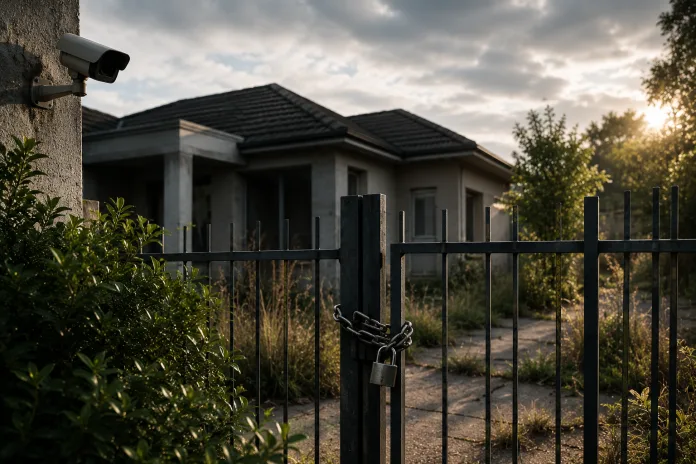
Vacant properties can quickly become targets for criminals when left unattended. Break-ins, theft of building materials, vandalism and illegal occupation are among the risks, creating potential safety concerns for property owners and surrounding communities.
“Property owners should not assume that a vacant home, building or site is safe simply because it is unoccupied,” says Charnel Hattingh, Group Head of Marketing and Communications at Fidelity Services Group. “In fact, the lack of activity can make these properties easier for criminals to identify and target.”
“Criminals look for opportunities, and an unprotected or neglected property can present an easy target. Securing a vacant property is therefore not only about protecting the building itself, but also about reducing the potential risk to neighbouring homes and businesses.”
Protecting a vacant property
Property owners are encouraged to take a proactive approach to security, even when a property is unoccupied. Some measures to consider include:
- Install a security system: Consider an alarm system, CCTV, perimeter detection and appropriate access control to monitor the property and identify suspicious activity
- Maintain the perimeter: Regularly inspect walls, fencing, gates and other access points to ensure they remain secure and free from damage or tampering
- Keep vegetation under control: Overgrown gardens, trees and bushes can provide criminals with hiding places and make it more difficult for neighbours or security personnel to identify suspicious activity
- Avoid obvious signs that the property is vacant: Do not allow newspapers, flyers, post or other items to accumulate outside. Where possible, arrange for regular collection and property maintenance
- Secure valuable materials: Building materials, electrical equipment, copper, tools and other valuable items should not be left exposed at vacant residential or construction sites
- Use lighting strategically: Adequate exterior lighting can improve visibility around entrances, pathways and other vulnerable areas.
- Control access: Limit the number of people with keys, remotes or access codes, and keep a record of authorised contractors, workers and service providers who require access to the property.
The role neighbours play
The security of a vacant property can have a direct impact on the surrounding community. Neighbours are often well placed to identify unusual activity because they know what is considered normal in their area.
Residents should be alert to:
- Unfamiliar people repeatedly entering or leaving the property
- Vehicles stopping outside the property for extended periods
- People attempting to climb walls or gain access through damaged fencing or gates
- Unusual activity at night, particularly around entrances, windows or other access points
- Signs that the property may have been illegally occupied.
Any suspicious activity should be reported to the relevant security provider or law enforcement agency rather than residents attempting to intervene themselves.
Working together to protect the neighbourhood
Effective community security relies on cooperation between property owners, residents, security companies, neighbourhood watch groups and law enforcement.
Owners of vacant properties should consider informing trusted neighbours that the property will be unoccupied and, where appropriate, providing them with a contact number for emergencies or security concerns. Local security companies, neighbourhood watch groups and Community Policing Forums (CPFs) can also play an important role in identifying and reporting suspicious activity.
“Community awareness can make a significant difference,” says Hattingh. “A neighbour who notices something unusual and reports it early could help prevent a crime before it escalates. At the same time, property owners have a responsibility to ensure that their vacant properties are properly secured and do not become easy targets.”

