



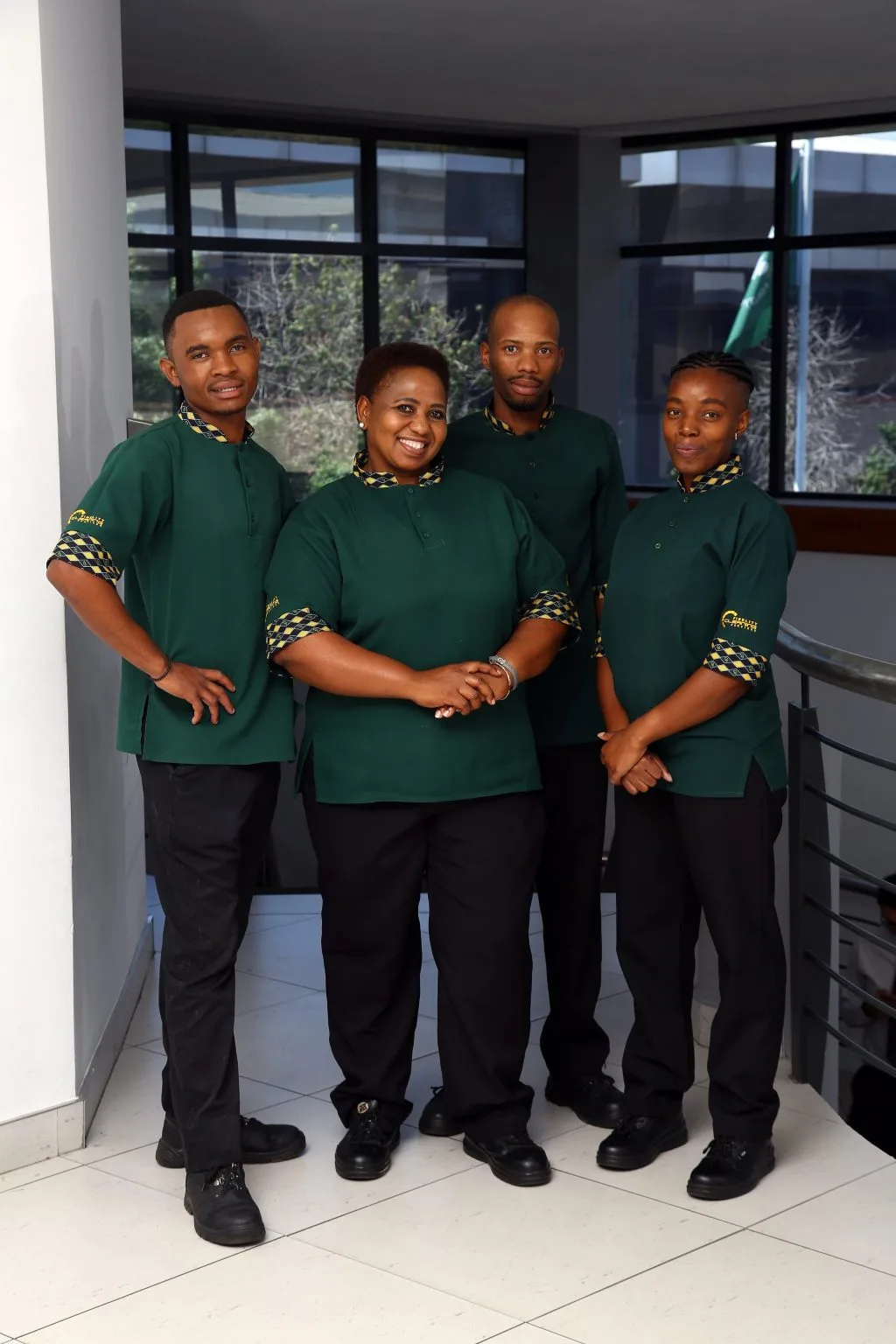
27 August 2026 – Behind every clean office, safe retail floor and well-maintained public space is a person whose work is often only noticed when it is not done. In a tough labour market where South Africa’s unemployment rate reached 33.6% in the second quarter of 2026, according to Statistics South Africa, industries that create formal employment, develop skills and offer opportunities for career progression matter more than ever. Statistics South Africa – QLFS
Cleaning and hygiene services are one such industry, employing thousands of South Africans across the country and providing many people with an entry point into the formal workforce. But while cleaning is essential to the functioning of businesses and public spaces, the skills and career opportunities within the sector are often overlooked.
Malcolm Stephens, Divisional Executive Cleaning and Hygiene Services, says the sector’s contribution goes far beyond the visible act of cleaning a space.
“There is a tendency to think of cleaning as unskilled work, but that is not the reality on the ground. Good cleaning takes training, judgement and consistency. It means knowing which product to use on which surface, understanding infection control in a clinic versus a warehouse and being able to spot a problem before it becomes one. The people who do this work every day are skilled professionals and they deserve to be recognised as such.”
Across sectors including retail, healthcare, hospitality, industrial and government, cleaning teams are often among the first people on site each morning and the last to leave. Their work contributes directly to maintaining environments that are safe, hygienic and productive – from the surfaces people touch to the spaces in which they work, shop and receive services.
From a first job to a career
One of the most overlooked aspects of the cleaning and hygiene industry is the career path it can offer.
Stephens says many supervisors and site managers in the industry began their working lives in entry-level cleaning positions, demonstrating how training and experience can create opportunities for advancement.
“Many of the supervisors and site managers we work with today started out as cleaners. With the right training and support, this can become a genuine career, not just a job. That matters in South Africa right now, where opportunities to grow within a role and move up over time are not always easy to find.”
Training can help employees develop technical knowledge, understand specialised cleaning requirements and take on greater responsibility, while experience can open the door to supervisory and management positions.
For an industry operating across environments with very different requirements, these skills are increasingly important. Cleaning a healthcare facility, for example, requires a different understanding of hygiene and infection control from cleaning an office, retail environment or industrial facility.
The difference is in the detail
Attention to detail, Stephens explains, is what separates an average cleaning service from a good one, and it is built through people rather than equipment alone.
“Technology and products play a role, but they don’t notice a loose door handle, a slippery patch on a staircase or a bin that needs emptying before a client walks past it. That still comes down to a person who has been trained and who takes pride in getting it right.”
This human element is particularly important when businesses are balancing cost pressures with expectations around service quality. While technology and processes can improve efficiency, people remain responsible for identifying issues, responding to changing conditions and ensuring that standards are consistently maintained.
“Good cleaning is not simply about making something look clean,” says Stephens. “It is about understanding the environment, knowing what needs to be done and taking responsibility for doing it properly. That level of care comes from people who are trained, supported and take pride in their work.”
Fidelity Cleaning & Hygiene Services, part of Fidelity Services Group, operates nationally across a range of sectors and remains focused on training and developing the people who represent the business on the ground.
“Ultimately, our name is only as good as the person cleaning the boardroom, the clinic or the store floor,” says Stephens. “That is where the real work happens, and it deserves far more recognition than it usually gets.”
As South Africa continues to grapple with high unemployment, industries that can provide people with an entry point into formal employment while offering opportunities to build skills and progress should not be underestimated. The cleaning and hygiene sector is a reminder that what may appear to be a simple service from the outside can represent a skilled profession and a genuine career pathway for the people behind it.

