



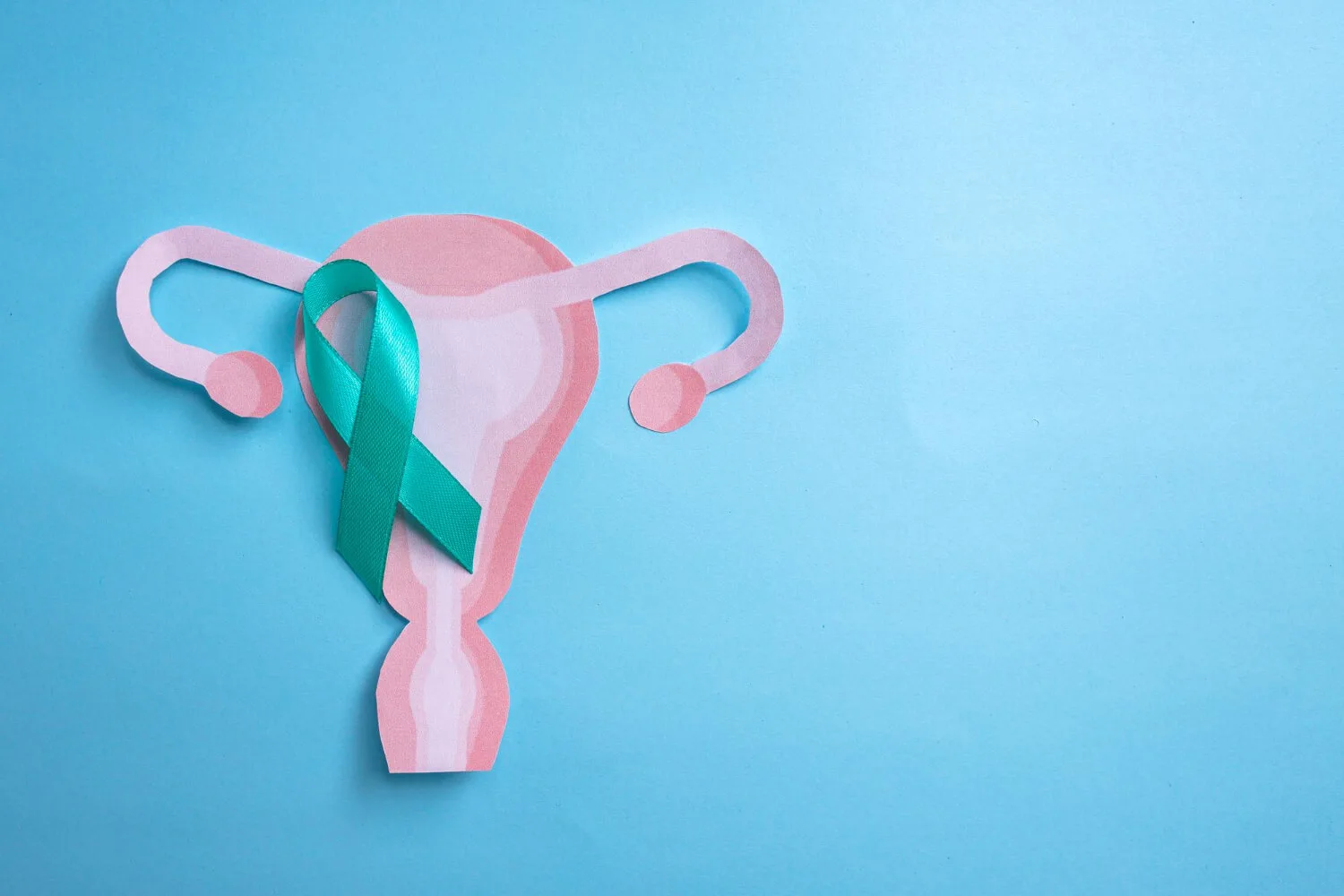
Affinity Health, a leading provider of high-quality health cover, is urging women to separate fact from fiction during Cervical Cancer Awareness Month, as dangerous myths could prevent them from being vaccinated, attending routine screening, or seeking medical help.
Cervical cancer begins in the cervix, the lower part of the womb. Almost all cases are caused by a long-lasting infection with a high-risk type of human papillomavirus (HPV). Although HPV is extremely common, cervical cancer usually develops slowly. This gives healthcare professionals an opportunity to detect and treat abnormal cells before they become cancerous.
“Cervical cancer is known to be one of the more preventable and treatable cancers out there when it’s detected early,” says Murray Hewlett, CEO of Affinity Health.
“However, misinformation can cause women to underestimate their risk or delay screening. Knowing the facts and taking action at the right time really can make a big difference.”
Here are eight common myths every woman should know.
Myth 1: Cervical Cancer Only Affects Older Women
Cervical cancer can affect women at different stages of life. While it is often diagnosed during midlife, the HPV infection responsible may have been acquired many years earlier.
Being young, past menopause, or no longer sexually active doesn’t make the risk disappear. Screening decisions should be based on a woman’s age, health history, previous results, and individual risk.
Myth 2: You Only Need Screening If You Have Symptoms
Precancerous cervical changes and early cervical cancer often cause no symptoms. A woman may feel completely healthy while abnormal cells are developing.
Possible warning signs include bleeding after sex, between periods, or after menopause, as well as unusual vaginal discharge, pelvic pain, or pain during sex. Screening is important because it can identify changes long before symptoms appear. These symptoms don’t always point to cancer, but they’re always worth getting checked.
Myth 3: A Positive HPV Test Means You Have Cancer
Testing positive for HPV does not mean that you have cervical cancer. HPV refers to a large group of viruses, only some of which are associated with cancer.
The immune system clears most HPV infections naturally. However, if a high-risk infection persists, it may cause abnormal changes to cervical cells. Follow-up tests can determine whether the infection has cleared or requires further investigation.
Myth 4: HPV Means Your Partner Has Been Unfaithful
HPV can lie dormant for years, so a positive result does not reveal when the infection occurred or who passed it on. It is not evidence of recent infidelity.
The virus is mainly spread through intimate skin-to-skin contact and does not require penetrative sex. Most sexually active people will encounter HPV at some point without realising it, as it often causes no symptoms.
Myth 5: Only Women with Several Sexual Partners Are at Risk
Having more sexual partners can increase the chance of HPV exposure, but it is possible to acquire HPV from just one partner.
Condoms reduce the risk but do not provide complete protection because HPV can infect skin that is not covered. Smoking and having a weakened immune system also make it more difficult for the body to clear an HPV infection. Women living with HIV face a substantially higher risk of developing cervical cancer and generally require more frequent screening.
Myth 6: The HPV Vaccine Causes Infertility
There’s no credible evidence linking the HPV vaccine to infertility. The vaccines have undergone extensive safety testing and continue to be monitored internationally.
HPV vaccination trains the immune system to recognise and fight the cancer-causing HPV types most commonly linked to cervical cancer. It works best when given before exposure to the virus, which is why vaccination is recommended at a young age. People who were not vaccinated earlier should ask a healthcare professional whether catch-up vaccination may be appropriate.
Myth 7: Vaccinated Women Never Need Cervical Screening
The HPV vaccine greatly lowers the risk of cervical cancer, but it does not protect against every high-risk type of HPV, and it can’t treat an existing HPV infection or abnormal cells.
This is why vaccinated women still need cervical screening. The vaccine helps prevent HPV, while screening detects high-risk HPV and early cell changes. Women should continue screening as advised by their healthcare professional.
Myth 8: An Abnormal Screening Result Means You Have Cancer
Most abnormal cervical screening results are not cancer. A result may indicate HPV infection or early cell changes that can be monitored or treated before they become dangerous.
Depending on the findings, a healthcare professional may recommend repeat testing, a colposcopy to examine the cervix more closely, or treatment to remove abnormal cells. Attending follow-up appointments is essential, even when you feel well.
Protect Yourself with the Facts
HPV vaccination, regular screening, and early treatment of abnormal cells can help prevent cervical cancer. Do not ignore unusual bleeding, ongoing discharge, pelvic pain, or pain during sex. If you experience any of these symptoms, speak to a healthcare professional promptly.
Affinity Health members can access 24/7 telehealth GP consultations and unlimited managed visits to a Medical Society within the network for guidance on symptoms, screening, and appropriate next steps. Those living with HIV, those with a weakened immune system, or those with a previous abnormal result may require more frequent screening.
About Affinity Health
Affinity Health is South Africa’s leading health cover provider, offering you a range of options at affordable rates, including access to the widest national provider network. We understand the importance of having medical insurance that meets your needs, budget, and lifestyle. Our healthcare products are designed to protect you and your family when it matters the most. We strive to give our members peace of mind and the highest standard of service. For more information, follow us on Facebook, Instagram and X.

