



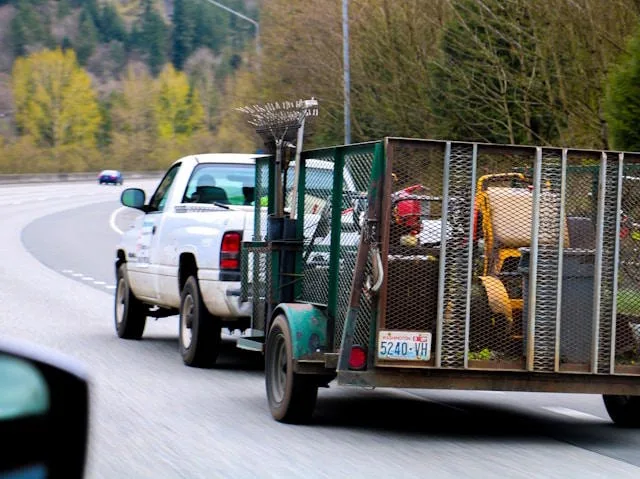
Whether you’re towing a camping trailer, boat, utility trailer or moving house, many South Africans assume that having the correct driver’s licence means they’re good to go.
According to trailer and towing expert Russell Ferreira trailer and towing expert at Diamond Trailers, that’s one of the biggest misconceptions on South African roads – and it could prove costly.
“Many motorists believe that if their bakkie or SUV can pull a trailer, then they’re towing legally. That’s simply not the case.”
“Drivers could face fines of up to R1,500 for certain trailer-related offences, have their journey delayed at roadside checks or weighbridges, and even run into insurance complications after an accident if their vehicle and trailer don’t comply with the regulations.”
Ferreira says there are three things every motorist should check before towing: their vehicle’s maximum towing capacity, the trailer’s Gross Vehicle Mass (GVM) and whether the trailer is fitted with the correct braking system.
“Your vehicle’s towing limit isn’t based on engine power alone. Manufacturers also consider braking performance, suspension, stability and overall safety. Exceeding those limits can make it harder to stop, reduce steering control and increase the risk of trailer sway.”
One of the biggest mistakes drivers make is forgetting that a trailer’s legal weight includes everything loaded onto it.
“People often buy a trailer that’s perfectly legal when it’s empty, but once they’ve loaded camping gear, furniture, equipment or stock, they may unknowingly exceed either the trailer’s legal capacity or their vehicle’s towing limit.”
Another common myth is that trailers under 750kg never need brakes.
“While 750kg is an important threshold, it’s not the only rule. In some cases, lighter trailers may also require braking systems depending on their weight compared to the towing vehicle. It’s important not to make assumptions.”
Before setting off, Ferreira recommends carrying out a quick five-minute safety check, including:
- Tyre pressures on both the tow vehicle and trailer
- Lights and indicators
- Trailer coupling and safety chains
- Trailer brakes, where fitted
- Wheel bearings
- Making sure the load is properly secured
“A few minutes before you leave can save you from a breakdown, a roadside fine or a much more serious incident.”
Traffic officers regularly inspect trailers during roadside operations and at weighbridges, particularly where overloaded or unroadworthy vehicles are suspected.
“The safest approach is to check your vehicle’s towing capacity before every trip, know your trailer’s GVM and make sure everything complies with the regulations. Don’t assume that because you’ve towed the trailer before, it’s still legal with a different load.”
Motorists can find their vehicle’s maximum towing capacity in the owner’s manual or manufacturer specifications. They should also ensure their licence category allows them to tow the specific vehicle and trailer combination.

