



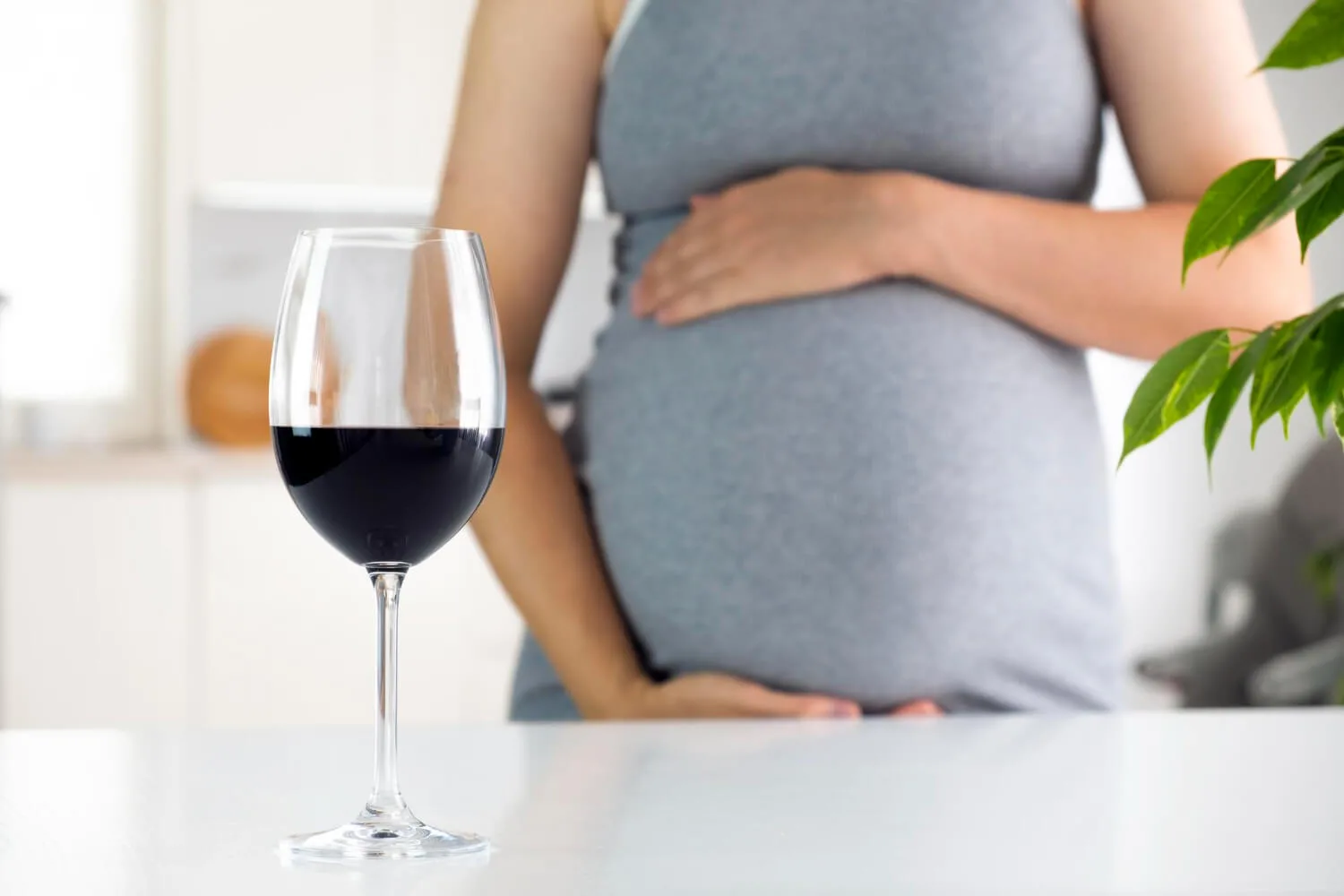
Affinity Health, a leading provider of high-quality health cover, is using International Foetal Alcohol Syndrome Day (9 September) to address dangerous myths about drinking alcohol during pregnancy.
Alcohol passes through the placenta and reaches the developing baby. Since no amount, type, or timing of alcohol has been proven safe during pregnancy, avoiding it completely is the safest choice.
“Pregnant women are often given conflicting advice about alcohol by friends, relatives and social media,” says Murray Hewlett, CEO of Affinity Health.
“Clear, accurate information helps women make informed decisions and seek professional support without fear of blame or judgement.”
Here are eight common myths about alcohol during pregnancy that every expectant parent should understand.
Myth 1: One Small Drink Cannot Cause Harm
There is no known safe amount of alcohol during pregnancy. The risk generally increases with the amount consumed, particularly when several drinks are consumed on one occasion. However, even small amounts cannot be declared risk-free.
Not every baby exposed to alcohol will be affected in the same way, but healthcare professionals cannot predict which pregnancies will be harmed. Not every baby exposed to alcohol is affected the same way, there’s also no way for professionals to predict which pregnancies will be harmed.
Myth 2: Wine and Beer Are Safer Than Spirits
Beer, wine, cider, spirits, and cocktails all contain ethanol, the ingredient that can affect a developing baby.
What matters is the amount of alcohol consumed, not the type of drink. A large glass of wine, strong beer, or generous home measure may contain more alcohol than expected. The safest option during pregnancy is a drink clearly labelled 0.0% alcohol.
Myth 3: Alcohol is Only Dangerous During the First Trimester
The first trimester is a particularly sensitive period because the baby’s organs and facial structures are forming. However, development continues throughout pregnancy.
The brain develops from the earliest weeks of pregnancy until birth and remains vulnerable to alcohol during the second and third trimesters. Drinking at any stage may interfere with growth and brain development and increase the risk of miscarriage, stillbirth, premature birth, and low birth weight.
Myth 4: The Placenta Protects the Baby from Alcohol
The placenta delivers oxygen and nutrients, but it does not filter out alcohol. Alcohol in the mother’s bloodstream crosses the placenta and reaches the baby.
A developing baby cannot process alcohol as efficiently as an adult because its liver and other organs are immature. As a result, exposure may last longer and disrupt the development of cells, organs, and the nervous system.
Myth 5: Foetal Alcohol Syndrome is the Only Possible Outcome
Foetal Alcohol Syndrome is one condition within the broader range of lifelong effects known as Foetal Alcohol Spectrum Disorder, or FASD.
Some affected children may have poor growth or distinctive facial features. Others may appear physically healthy but experience difficulties with memory, learning, concentration, communication, impulse control, and emotional regulation. These challenges may only become noticeable when the child starts school.
Myth 6: A Pregnancy Scan Will Show Whether Alcohol Caused Harm
Routine ultrasound scans can detect certain growth or structural concerns, but they cannot rule out FASD. Many of its effects involve how the brain works and may not become apparent until later in childhood.
There is no single pregnancy scan or blood test that can diagnose every effect of prenatal alcohol exposure. Diagnosis may require assessments of the child’s health, development, behaviour, and learning abilities.
Myth 7: Alcohol is Safe Once the Baby’s Organs Have Formed
Although the major organs begin forming early, they continue growing and maturing throughout pregnancy. The brain is especially vulnerable because it develops continuously.
Alcohol exposure later in pregnancy may still affect attention, learning, coordination, behaviour, and emotional control. Stopping at any point prevents further exposure and can still make a meaningful difference.
Myth 8: If You Drank Before Discovering the Pregnancy, the Damage Is Already Done
Some women may consume alcohol before realising they are pregnant. This is not a reason to panic, continue drinking, or avoid antenatal care.
Stop drinking as soon as pregnancy is suspected or confirmed and speak honestly to a doctor, nurse, or midwife. Healthcare professionals can offer advice, monitor the pregnancy, and support anyone who is struggling to stop. Alcohol dependence is a health condition that requires compassionate, confidential care.
Conclusion
The safest choice when trying to conceive or during pregnancy is to avoid alcohol completely. Support from partners, relatives, and friends can make this easier, whether by offering alcohol-free options or respecting a woman’s decision not to drink.
Affinity Health members who have questions or concerns can turn to 24/7 telehealth GP consultations or a Medical Society within the network for confidential medical guidance, depending on their selected plan.
Above all, anyone struggling to stop drinking should be met with understanding and encouraged to seek professional help without fear of blame or judgement.

