



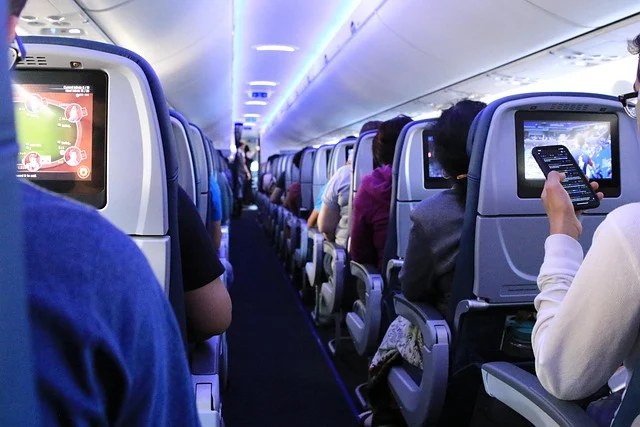
Traveling for the first time can be exciting, but it can also come with unexpected challenges. New travelers often make simple mistakes that can lead to unnecessary stress, extra expenses, or missed opportunities. Fortunately, most travel mistakes are easy to avoid with a little preparation. Here are 15 common mistakes first-time travelers should watch out for.
- Not Planning Enough Before the Trip
One common mistake is leaving important preparations until the last minute. Travelers should research their destination, check entry requirements, understand transportation options, and organize essential documents ahead of time. For instance, if you are booking Flights to the Bahamas, compare schedules, baggage rules, and airport requirements before departure to avoid unpleasant surprises.
- Overpacking Your Luggage
First-time travelers often pack far more than they actually need. Bringing excessive clothing, shoes, and unnecessary items can make transportation difficult and potentially increase baggage costs. Instead, create a practical packing list based on your destination, weather, activities, and trip length. Choose versatile clothing and leave some space for items purchased during your travels.
- Forgetting to Check Travel Documents
Arriving at the airport without the correct documents can quickly turn an exciting vacation into a stressful experience. Before departure, check your passport’s validity, visa requirements, identification, travel insurance, and any destination-specific documentation. Keep digital and physical copies of important documents, and make sure they are easily accessible throughout your journey.
- Ignoring the Travel Budget
It is easy to focus on flights and accommodation while forgetting about everyday expenses. Food, transportation, entrance fees, tips, shopping, and unexpected costs can quickly increase your spending. Create a realistic budget before leaving and keep an emergency reserve. Tracking expenses during your trip can also help prevent financial surprises.
- Trying to See Everything
Many first-time travelers create packed itineraries because they want to experience everything. Unfortunately, rushing between attractions can make a vacation exhausting rather than enjoyable. Leave some free time in your schedule to rest, explore spontaneously, or deal with unexpected delays. A balanced itinerary usually creates a more relaxed and memorable experience.
- Not Researching Local Customs
Different destinations have different cultural expectations, traditions, and social rules. Ignoring these differences can result in uncomfortable situations or accidental disrespect. Before traveling, learn about appropriate clothing, greetings, tipping practices, photography rules, and dining etiquette. Showing respect for local customs not only helps you avoid mistakes but can also lead to more positive interactions.
- Relying Entirely on Your Phone
Smartphones are incredibly useful while traveling, but relying on one completely can become problematic. Your battery could die, mobile service might be unavailable, or internet access could fail. Download important maps and reservations beforehand, save essential addresses, and carry a portable charger. Having offline alternatives ensures you can still navigate when technology fails.
- Forgetting About Travel Insurance
Some travelers skip travel insurance because they assume nothing will go wrong. However, unexpected medical issues, cancellations, lost luggage, or travel disruptions can result in significant expenses. Before purchasing a policy, understand what it covers and any exclusions that apply. Appropriate coverage can provide valuable financial protection and greater peace of mind.
- Not Protecting Personal Belongings
Tourists can sometimes attract unwanted attention, particularly in crowded or highly visited areas. Leaving phones, wallets, passports, or bags unattended can create unnecessary problems. Keep valuables secure and avoid displaying expensive items unnecessarily. Be particularly careful on public transportation and in crowded tourist locations where distractions can make belongings easier to lose or steal.
- Being Afraid to Ask for Help
Some first-time travelers hesitate to ask for assistance because they worry about appearing inexperienced. There is nothing wrong with asking a hotel employee, official information desk, transportation staff, or trusted local for directions or advice. If something feels wrong, seek help promptly. Knowing when to ask for assistance can make travel safer and easier.
11. Booking Everything Without Comparing Options
Booking the first flight, hotel, or tour you find can sometimes mean paying more than necessary. Take time to compare prices, locations, reviews, cancellation policies, and included services. A slightly cheaper option is not always better, so consider overall value and convenience before making your final booking decisions.
12. Not Preparing for Unexpected Changes
Travel plans do not always go exactly as expected. Flights can be delayed, weather can change, and attractions may close unexpectedly. Avoid creating an itinerary with no flexibility. Keep important contact details available, allow extra time between activities, and have alternative plans ready. Staying flexible can reduce stress when circumstances change.
13. Arriving at the Airport Too Late
First-time travelers sometimes underestimate how long check-in, security, immigration, and boarding can take. Arriving too close to departure increases stress and could even result in a missed flight. Give yourself enough time to handle unexpected delays, find your gate, and complete airport procedures without rushing.
14. Forgetting to Check the Weather
Packing without checking the destination’s weather can leave you uncomfortable or unprepared. Before traveling, look at expected temperatures, rainfall, and seasonal conditions. Pack appropriate clothing, footwear, and accessories for your activities. Weather can also affect transportation and sightseeing plans, so knowing what to expect helps you prepare better.
15. Making Your Itinerary Too Rigid
A detailed itinerary can be helpful, but planning every minute of your trip can become overwhelming. Delays, closures, fatigue, and unexpected discoveries may require changes. Leave room for flexibility so you can adjust your plans when necessary. A relaxed schedule also gives you opportunities to enjoy experiences you did not originally plan.

