



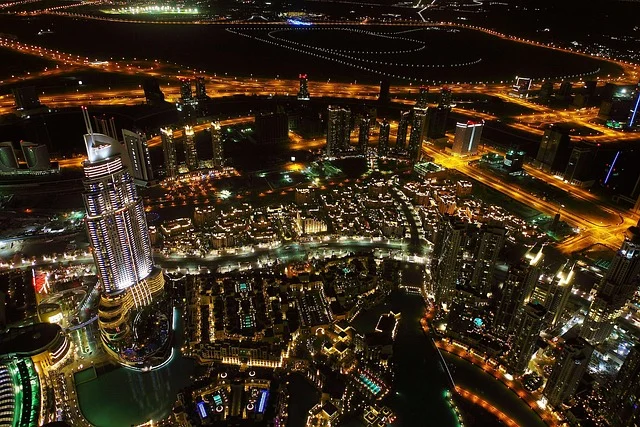
Dubai remains an attractive destination for South African travellers looking for a combination of sunshine, modern city life, beaches, shopping, food, entertainment, and memorable day trips. Whether you are visiting for a short stopover or spending a full week in the UAE, a little planning can make the experience far more relaxed.
One of the first decisions is how you will move around the city. Dubai covers a large area, and attractions can be located far apart, so travellers who prefer to set their own schedule may want to rent a car dubai rather than rely on a different form of transport for every journey. Having a vehicle can be especially useful when combining several neighbourhoods or planning trips beyond the central tourist areas.
Plan Your Days by Area
A common mistake first-time visitors make is choosing attractions without considering their locations.
Dubai may look compact on a map, but travelling between different parts of the city can take longer than expected.
Instead of crossing the city repeatedly, organize each day around one general area.
For example, you might dedicate one day to modern Dubai and another to historic neighbourhoods and traditional markets.
This approach reduces unnecessary travel and gives you more time at each destination.
Don’t Try to See Everything
Dubai offers an enormous number of attractions.
It is tempting to create a schedule that starts early in the morning and continues until midnight.
That may work for a day, but doing it repeatedly can turn a holiday into an endurance test.
Choose a few priorities before the trip.
These might include:
- major landmarks;
- beaches;
- shopping;
- cultural attractions;
- restaurants;
- desert experiences;
- family entertainment.
Leave some empty space in the itinerary as well.
Unexpected discoveries often become some of the best travel memories.
Explore More Than the Famous Skyline
The modern skyline is one of Dubai’s most recognizable features, but it represents only one side of the city.
Travellers who want a more varied experience should also spend time exploring older neighbourhoods.
Traditional architecture, local shops, markets, small restaurants, and waterfront areas can provide a very different atmosphere from the city’s newest districts.
Combining old and new Dubai helps visitors understand how quickly the destination has developed while still maintaining connections to its regional heritage.
Make Time for the Beach
Dubai’s beaches provide a useful break between sightseeing days.
You do not necessarily need to spend an entire day there.
A morning or late-afternoon visit can be enough to relax, swim, and slow down the pace of the trip.
When planning beach time, consider the temperature and sun exposure.
Carry water, use sun protection, and avoid spending longer outdoors than feels comfortable during particularly hot periods.
Experience the Food Scene
Dubai’s international population has created an unusually diverse restaurant scene.
Visitors can find Middle Eastern, Indian, Pakistani, African, Asian, Mediterranean, European, and many other cuisines across the city.
Do not limit yourself only to expensive hotel restaurants.
Some of the most interesting meals can be found in smaller neighbourhood establishments.
A good strategy is to mix different types of dining throughout the trip:
- one special restaurant;
- traditional regional food;
- casual local restaurants;
- cafés;
- street-food-inspired options.
This provides more variety and can also help control the overall travel budget.
Consider a Day Outside Central Dubai
Having several days in the UAE gives you the opportunity to see more than one part of the country.
A road trip can provide a completely different perspective from a holiday spent entirely around central Dubai.
Depending on your itinerary, you might combine city attractions with coastal scenery, desert landscapes, or another emirate.
If you intend to drive longer distances, plan the route before departure and allow enough time to return without rushing.
Understand the Climate
Dubai’s weather can influence how you structure the day.
Even travellers accustomed to warm South African summers may find prolonged outdoor sightseeing tiring during hotter periods.
Whenever possible, alternate indoor and outdoor activities.
For example, you might explore outside during the morning, spend the hottest part of the afternoon inside a mall, museum, restaurant, or hotel, and return outdoors later.
Hydration should also be part of your routine.
Carry water, especially when walking for extended periods.
Keep Navigation Simple
A navigation app can make independent travel significantly easier.
Before setting out, save the locations you plan to visit.
This allows you to quickly check:
- travel times;
- alternative routes;
- nearby restaurants;
- parking options;
- fuel stations;
- attractions in the same area.
Planning several stops before leaving the hotel can prevent unnecessary backtracking.
It also makes spontaneous itinerary changes much easier.
Check Parking Before You Go
When driving, parking is worth considering before arriving at a destination.
Large shopping centres and hotels may have straightforward parking facilities, while other areas can require more planning.
Look up parking information before starting the journey, particularly if you have a reservation or timed attraction.
Knowing exactly where you are going saves time once you arrive.
Build a Realistic Travel Budget
Dubai can be experienced at many different spending levels.
Accommodation, restaurants, transportation, shopping, and attractions vary considerably in price.
Before departure, divide your expected budget into categories such as:
- flights;
- accommodation;
- transport;
- meals;
- activities;
- shopping;
- emergency expenses.
Having a rough daily spending target makes it easier to enjoy the trip without constantly calculating every purchase.
You can then decide where you want to spend more and where saving makes sense.
Leave Room for Shopping
Shopping is a significant part of the Dubai experience for many visitors.
The city has everything from international brands and luxury stores to traditional markets.
Even travellers who do not intend to spend much time shopping may eventually find themselves browsing.
If shopping is part of your plan, leave some luggage space before departure.
It is much easier than trying to fit unexpected purchases into an already full suitcase before the flight home.
Slow Down Occasionally
Travel can become surprisingly tiring.
Walking, driving, sightseeing, heat, late dinners, and changing routines all consume energy.
Schedule some quieter periods.
A relaxed breakfast, afternoon beside the pool, evening walk, or simply a few hours without a planned activity can make the rest of the holiday more enjoyable.
There is no requirement to maximize every hour.
Sometimes experiencing fewer places properly creates a better trip than rushing through a long checklist.
Keep Important Information Accessible
Before leaving the hotel, make sure you can easily access:
- identification;
- hotel information;
- booking confirmations;
- travel insurance details;
- attraction tickets;
- important phone numbers.
Keeping digital copies of essential documents can also be useful.
Your phone will probably become your main tool for navigation, communication, bookings, and photography, so carrying a portable charger is a practical addition to your day bag.
Final Thoughts
Dubai can offer South African travellers a very different type of holiday without requiring every day to revolve around luxury shopping or major tourist attractions.
The city works best when you combine its different sides: modern districts and traditional areas, beaches and restaurants, busy sightseeing days and slower moments.
Plan your transportation early, group attractions sensibly, keep the schedule realistic, and leave enough flexibility to change plans once you arrive.
A well-organized trip gives you more freedom to experience Dubai at your own pace instead of spending the holiday constantly rushing to the next destination.

