



Johannesburg, 28 September 2026: Even mild asthma can cause severe, potentially fatal attacks in people who do not control the inflammation. To mark World Lung Day on 25 September, Sanofi South Africa is highlighting the need to treat the inflammation that causes asthma symptoms.1
Asthma is a long-term lung condition that affects the airways carrying air in and out of your lungs. They can become inflamed and sensitive. When symptoms flare, the muscles around them tighten and mucus builds up, leaving less room for air to move and making it harder to breathe.¹
Traditional asthma treatment aims to reduce symptoms and lower your risk of an attack. When it works well, you have few symptoms during the day or at night and can stay active without asthma getting in the way.1 With recent medical developments, the medical community is now aiming for clinical remission (perfect control) while on treatment.
How reliever and controller medicines work
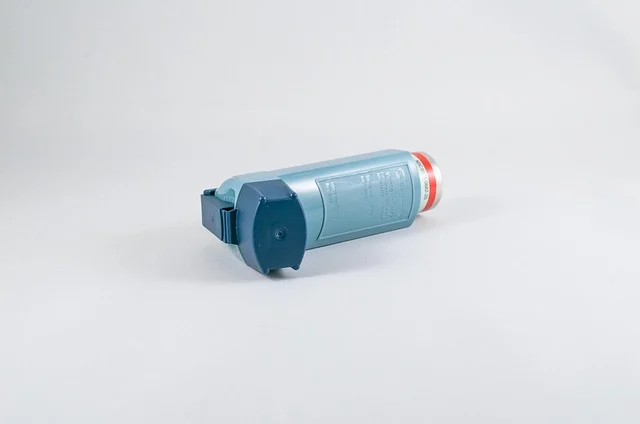
“A reliever inhaler can make breathing easier within minutes, but quick relief opening up the airways is only part of asthma care,” says Dwayne Koot, Medical Manager at Sanofi South Africa. “Relievers do not address the inflammation. Symptoms that return, wake you at night or stop you doing the things you usually do can signal that your current treatment is not doing enough.”
Reliever medicines quickly relax the muscles around your airways, opening them so you can breathe more easily. Controller medicines reduce the inflammation that drives asthma and lower your risk of future attacks.¹
Inhaled corticosteroids are recommended as part of asthma treatment for adults, teenagers and children aged six to 11. They reduce this inflammation and help protect you from severe attacks. A short-acting reliever can ease symptoms quickly, but on its own it does not provide the same protection.1 If you’re unsure about your medicines or inhaler technique, get medical advice before making any changes.
Checking your asthma control
Think about the past four weeks and ask yourself the following questions.¹
- had asthma symptoms during the day more than twice a week?
- woken at night because of asthma?
- needed your short-acting reliever inhaler more than twice a week?
- cut back on any of your usual activities because of asthma?
If you answer yes to any of these questions, you may need better asthma control. A doctor can check your diagnosis and medicines, make sure you are using your inhaler correctly and look for anything that could be making your symptoms worse. Have your asthma checked after an attack and at least once a year, including when you have no symptoms.1
What happens between asthma symptoms
Inflammation can continue in your airways even when you feel well. If it remains poorly controlled over time, it can cause lasting changes to the airway walls and affect how well your lungs work. Doctors call this airway remodelling.1
When usual asthma treatment is not enough
If you still have symptoms or attacks despite using high-dose inhaled corticosteroid treatment, you may need to see a specialist. A specialist will confirm your diagnosis, check that you use your inhaler correctly and take your medicine regularly, and look for triggers or other health conditions before diagnosing severe asthma.2
During a severe asthma attack, corticosteroid tablets or injections can be life-saving. However, repeated courses increase the risk of side effects. In the short term, they can affect your sleep and mood, increase your appetite and make you more vulnerable to infection. Repeated use can also raise your risk of osteoporosis, diabetes, cataracts and high blood pressure.2
If Type 2 inflammation is driving your severe asthma, a specialist may recommend additional medicine alongside your usual treatment.
Some people with severe asthma can reach clinical remission with treatment. This means they have few or no symptoms or attacks for a sustained period, their lung function stays stable and they do not need oral corticosteroids. They will still need regular medical reviews.²
Helping children manage asthma
Poorly controlled asthma and severe attacks can affect a child’s lung function as they grow. Take your child to a doctor if coughing, wheezing or night-time symptoms keep returning. Ask for help if asthma makes it difficult for them to play or they often need a reliever inhaler.1
Make sure you and your child know which medicine gives quick relief and which controls inflammation. Preferably a combination (Controller and Reliever) pump should be used. Knowing how to properly use your inhaler is critically important.
When asthma affects everyday life
“Asthma should never hold you back in your life and no one should die from asthma – we need to go beyond just control,” says Koot. “Tell your doctor if symptoms keep getting in the way. The right care can help you stay active and lower your chance of an attack.”
References
- Global Initiative for Asthma. Summary guide for asthma management and prevention for adults, adolescents and children 6–11 years [Internet]. 2026 [cited 2026 Sep 21]. Available from: https://ginasthma.org/wp-content/uploads/2026/07/GINA-Summary-Guide-2026-WEB-WMS.pdf
- Global Initiative for Asthma. Difficult-to-treat and severe asthma in adolescent and adult patients [Internet]. 2026 [cited 2026 Sep 21]. Available from: https://ginasthma.org/wp-content/uploads/2026/06/GINA-Severe-Asthma-Guide-2026-WEB-WMS.pdf
About Sanofi
Sanofi is an R&D driven, AI-powered biopharma company committed to improving people’s lives and creating compelling growth. We apply our deep understanding of the immune system to invent medicines and vaccines that treat and protect millions of people around the world, with an innovative pipeline that could benefit millions more. Our team is guided by one purpose. We chase the miracles of science to improve people’s lives; this inspires us to drive progress and deliver positive impact for our people and the communities we serve, by addressing the most urgent healthcare, environmental, and societal challenges of our time.
Sanofi is listed on EURONEXT as SAN and on NASDAQ as SNY
Press Contact
Mantis Communications
Kerry Simpson
Tel 079 438 3252
Email [email protected]

