



Used cars took an average of 37 days to sell in the first half of 2026, but some popular models moved considerably sooner. AutoTrader’s mid-year figures give dealers more to work with when deciding what to stock.
A used car can look like a good buy when it arrives at a dealership and a less appealing one six weeks later. Holding out for the right price has to be weighed against the cost of keeping it, particularly when the stock is financed.
According to AutoTrader’s 2026 Mid-Year Industry Report, used vehicles took an average of 37 days to sell in South Africa during the first half of 2026. Eight of the ten best-selling models found buyers sooner, although the biggest sellers were not necessarily the quickest to leave the floor.
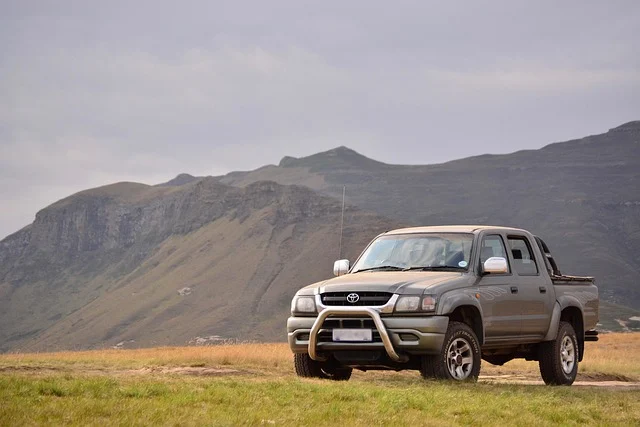
The Ford Ranger comfortably led the sales rankings with 11,365 units, ahead of the Toyota Hilux on 8,809. Yet the Hilux took an average of 27 days to sell, compared with the Ranger’s 36. Both attracted plenty of buyers, but a dealer would want to factor in that nine-day difference when making an offer. Depending on how the stock is funded, it could mean less interest to cover and money available for the next purchase a little sooner.
A similar, though smaller, gap existed between Volkswagen’s two popular hatchbacks. The Polo Vivo ranked third overall with 7,164 sales, ahead of the Polo, but took an average of 38 days to sell. The Polo needed 34. The Vivo’s popularity is clear; whether a dealer should carry more of them is a separate question.
For dealerships selling smaller cars around the R200,000 mark, the Suzuki Swift and Hyundai Grand i10 both averaged less than a month on the floor. The Swift recorded 4,872 sales at an average price of R209,673, taking 28 days to find a buyer. The Grand i10 entered the top ten with 3,290 sales, an average price of R194,909 and a selling time of 29 days.
The Fortuner is perhaps the more interesting result. At an average price of R502,389, it required considerably more money than either hatchback, yet sold slightly sooner. Its 27-day average matched the Hilux and beat the market by ten days. There is a case for stocking affordable cars, but these figures give little reason to assume that a more expensive vehicle will sit for longer simply because of its price.
“It’s easy to look at a model’s sales figures and assume it’s a safe bet,” commented George Mienie, CEO of AutoTrader. “But you still need to know what to pay for it and how long you’re likely to have your money tied up. A few extra weeks on the floor can leave you with a very different deal from the one you thought you’d bought.”
Finding the right example at the right price is another matter. AutoTrader notes that scarcity can shorten selling times, as buyers have fewer comparable vehicles to choose from. A dealer surrounded by similar stock may have a different experience from the national average. These model comparisons also cover qualifying sales within the ten best-sellers, rather than every used car on the market.
A dealership’s own sales records are useful, but they only tell part of the story. AutoTrader gives dealers access to market supply and demand data in the backend, at no additional cost, allowing them to see how a vehicle is performing beyond their own showroom. If a model usually sells locally within three weeks but a particular example is still waiting after five, the data can help establish whether the issue lies with the vehicle itself, its price, specification or mileage, or simply with weaker demand and competing stock in the market. Equally, reaching day 37 is not, by itself, a reason to cut the price of a car that market data shows typically takes longer to sell.
That said, the asking price cannot be left unchecked. A car may have been competitively priced when it arrived, only for a lower-mileage example to appear nearby for similar money. What the dealer paid for it will not change the comparison a customer makes.
AutoTrader’s Price Ratings data shows that 66% of cars sold carried a Great or Fair rating. This does not mean a discount will solve every slow sale, but it does make regular comparisons with competing listings worth the effort.
The sales team’s feedback matters here, too. A car attracting very few enquiries needs a different discussion from one getting viewings and test drives without a deal. Before changing the price, it is worth finding out what buyers are objecting to. There may be something to address without sacrificing more of the margin.
A well-bought Ranger could still make a dealer more money than a Hilux bought too dearly, despite taking longer to sell. Preparation costs, interest and any eventual discount all have to come out of the deal. Knowing the likely selling time helps a dealer allow for those costs when making an offer, rather than discovering a few weeks later that there was less money in the car than expected.
AutoTrader Used Car Data (January – June 2026)
| Models | Days to Sell | Qualifying Sales |
| Ford Ranger | 36 | 9,012 |
| Toyota Hilux | 27 | 7,011 |
| Volkswagen Polo Vivo | 38 | 5,644 |
| Volkswagen Polo | 34 | 5,602 |
| Suzuki Swift | 28 | 3,824 |
| Toyota Fortuner | 27 | 3,167 |
| Toyota Corolla Cross | 30 | 2,935 |
| Isuzu D-Max | 37 | 2,659 |
| Hyundai Grand i10 | 29 | 2,591 |
| Toyota Starlet | 34 | 2,330 |
Source: AutoTrader 2026 Mid-Year Industry Report

