



October 2026: Maintaining control over a Formula 4 car hurtling at over 200 km/h, braking hard, enduring high g-forces through corners, and competing with other racers for the top spot is an intensely demanding, highly stressful experience.
Then there are the pressures that lay beyond the track, such as gruelling race practices, fitness training, physical exhaustion, limited recovery time, pressure to perform, team responsibilities, and coping with disappointing results.
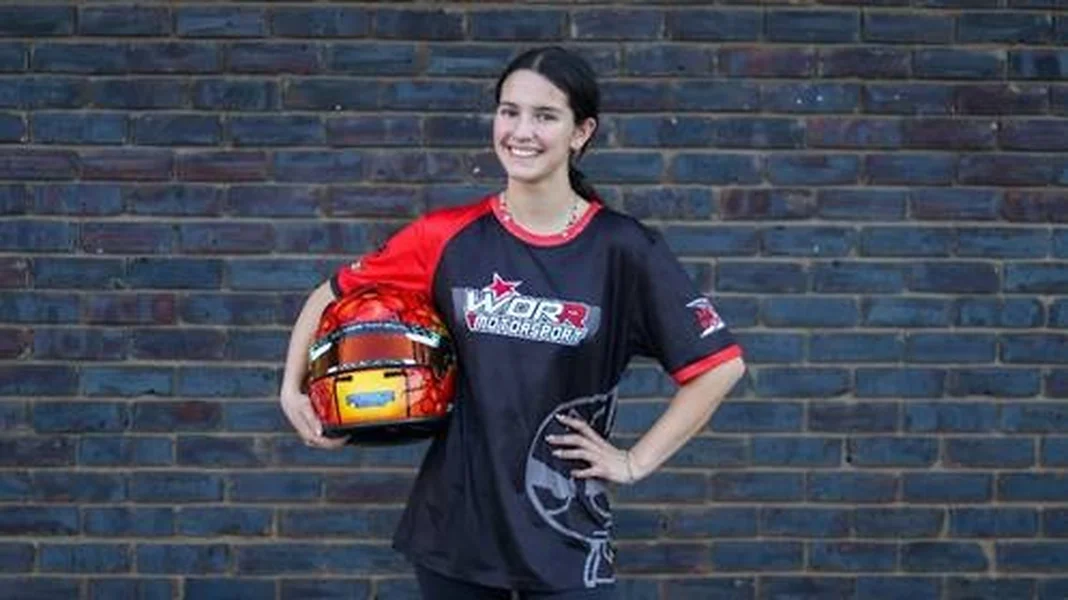
South African karting champion and Formula 4 competitor Gianna Pascoal, who is currently competing in the Investchem MSA Formula 4 Championship and participating in the More Than Equal female development programme, says the psychological toll of racing continues long after the chequered flag falls.
“Spectators may cheer you on in a race and love seeing you on the podium, but they don’t see the mental pressure racers are under when we go home. Some nights you can’t stop replaying race moments in your head, while knowing you have to get up early the next morning and go straight back into preparation. That really weighs heavily on your mind, whether you’re a junior or senior karting driver, or an experienced competitor in the Formula circuit.”
For Mental Health Awareness Month in October, Gianna is speaking openly about what it takes to be a racing driver and the strain it can place on mental health. She identifies three realities that drivers often experience but may struggle to discuss openly:
- When the race result follows you out of the cockpit
For Gianna, losing or performing below her expectations is not something she can instantly leave behind on the track. The disappointment can become overwhelming, she says.
“When I lose, my emotions can be overwhelming. I’m sometimes so disappointed and upset that I don’t want to speak to anyone after the race. It’s not because I don’t appreciate the people supporting me. But in that moment, I’m often focused on understanding what went wrong and dealing with how I’m feeling.”
In motorsport, drivers are expected to analyse mistakes, accept some harsh feedback, and prepare for the next race even with past events still replaying in their minds. The pressure to recover quickly can make it difficult to acknowledge how deeply a disappointing performance has affected them.
“You work towards a race for a long time, but the result can be determined in seconds. When it doesn’t go the way you hoped, it feels like all that work has disappeared. Learning to separate one result from how you see yourself as a driver is one of the toughest parts of this sport.”
- Talent does not guarantee another opportunity
Motorsport progression depends on far more than talent. Funding, sponsorship, available seats, timing, and access to the right development opportunities all influence whether a promising driver advances.
Unlike sports with clearly defined progression systems, motorsport does not always offer young drivers a predictable route forward. A driver may demonstrate ability without having the financial backing or opportunity required to move into the next category. For young racers, this means that every event can also feel like an audition for the next stage of their career.
“You can have talent, work hard, and deliver strong performances, but still not know whether the next opportunity will come. You’re constantly trying to prove that you deserve to be there and that someone should continue investing in your journey.”
2. The lonely side of following your dreams
The challenges the crowds do not see, including near-dawn starts, physically taxing training schedules, frequent travel, balancing competition with school and other personal responsibilities, and time sacrificed with friends and family, are what often hit the hardest.
“Not many people get the opportunity to compete at this level, which can bring its own kind of pressure and can feel isolating – particularly when some friends and family don’t fully understand the level of commitment required. Just because we know what it takes and are doing it willingly, it doesn’t make it any easier to know you’re missing out on other things.
“But what makes things much harder than they have to be is when we keep quiet and try to deal with all these feelings on our own. The truth is that you can be grateful for an opportunity and still admit that some parts are difficult. Speaking about those moments doesn’t mean you’re failing in any way or that you want the dream any less. At the end of the day, the drivers who perform the best often have an incredible group of people behind them who help them handle the ups and downs.”
For Gianna, greater openness about the emotional demands of racing could help young drivers understand that mental resilience does not mean remaining silent. It also requires learning how to process disappointment, manage uncertainty, and seek support when the pressure becomes difficult to carry alone.
“The helmet hides more than it should. We need to make it normal for racers and other young athletes to talk about their struggles, because nobody should feel that they have to manage everything alone.”

