



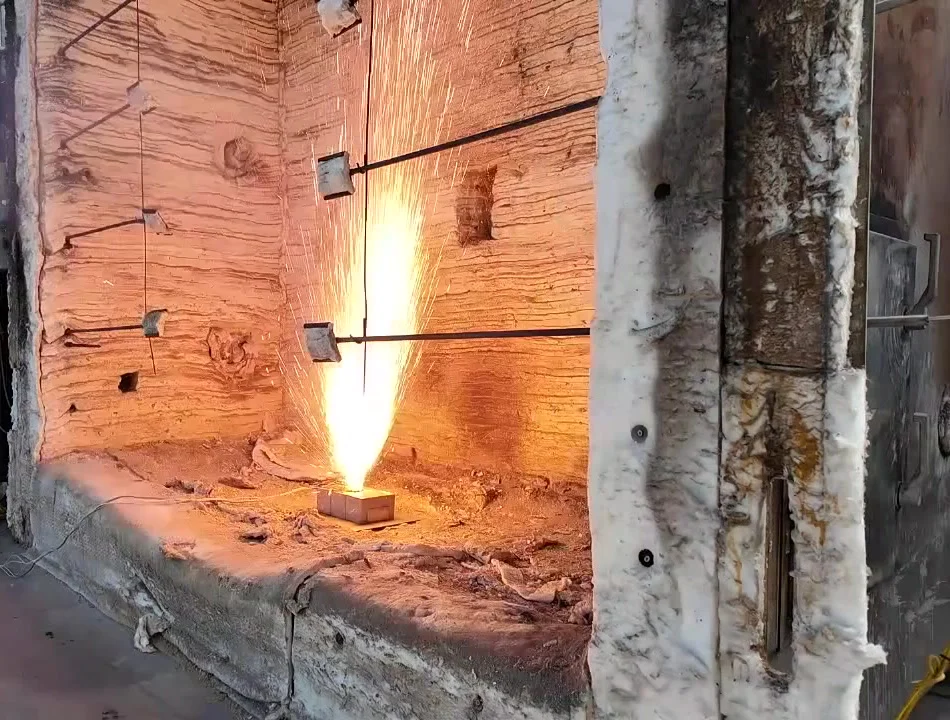
World Standards Day is observed annually on 14 October, marking the anniversary of the 1946 meeting that led to the founding of the International Organisation for Standardisation. The day is jointly recognised by the International Organisation for Standardisation, the International Electrotechnical Commission, and the International Telecommunication Union, which together form the World Standards Cooperation. It honours the experts worldwide who contribute to the development of standards and raise awareness about the vital role international standards play in product safety, efficiency, technological interoperability and achieving the United Nations Sustainable Development Goals (SDGs).
Standards behind the clean energy shift
The theme for 2026, “Shared Vision for a Better World: Spotlight on SDG 7 – Affordable and Clean Energy,” recognises how international standards have helped make clean energy technologies more accessible, more interoperable and more trusted worldwide.
Standardisation has played a significant part in the growth of solar power and battery storage, giving manufacturers, installers and consumers a common technical language and a basis for confidence in new systems. South Africa’s rapid uptake of these technologies owes much to that groundwork.
Why fire safety cannot lag behind
The confidence these standards have built in clean energy technology, however, depends on fire safety being held to the same consistent standard as the technology itself.
Lithium-ion battery storage systems, now common in residential and commercial installations across the country, present fire behaviour that differs from conventional electrical fires in ignition, propagation and suppression response. Inverter rooms, battery enclosures and the materials used to construct them raise additional questions about ventilation, containment and thermal performance under fire conditions. As adoption accelerates, the fire safety standards and testing capacity covering these risks need to keep pace alongside the standards driving the technology, rather than trail behind them.
An industry caution: do not let one outrun the other
Dirk Streicher, director at Ignis Fire Testing, said the occasion is a timely reminder that standards work best when the different frameworks they cover move together.
“The caution worth raising is that one set of standards should not be allowed to outrun the other. As energy standards and adoption move forward, the fire safety standards and local testing capability that verify those systems in a fire need to move at the same pace, not catch up afterwards. A new technology with excellent energy standards behind it still needs proper fire testing and verification to match.”
Streicher added that this is not a case of one standard being at odds with another, but of keeping complementary frameworks properly aligned as the pace of change increases.
Keeping local testing capacity in step
In South Africa, fire safety standards are set out through the South African National Standards system, administered by the South African Bureau of Standards. Independent fire testing facilities are responsible for applying these standards in practice, providing manufacturers and specifiers with verified proof of product performance rather than relying on overseas testing or manufacturer self-certification. As the energy sector continues to change, maintaining and resourcing this testing capacity locally is likely to remain an ongoing priority.
World Standards Day is, first and foremost, a celebration of what standards have made possible, including a cleaner, more accessible energy sector. But that achievement only holds if fire safety standards and the local testing capacity behind them are given the same priority as the technology they are meant to govern, rather than catching up once that technology has already outpaced them.

