



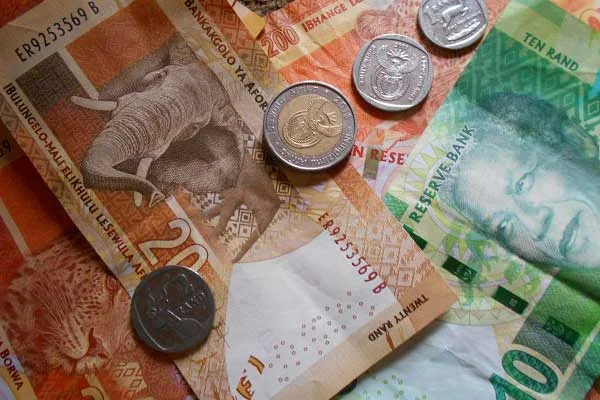
Below is a comparison of the South African Rand (ZAR) to the US Dollar (USD) in 1994 and 2025, including key economic factors that influenced the exchange rate.
1. Exchange Rate Comparison
| Year | Average ZAR/USD Exchange Rate | Key Events |
|---|---|---|
| 1994 | ~R3.55/USD | – First democratic elections (end of apartheid) – South Africa reintegrated into global markets – High inflation and economic uncertainty |
| 2025 (Projected) | ~R18.00–R20.00/USD (estimated) | – Persistent economic challenges (load shedding, slow growth) – High government debt and fiscal deficits – Global risk-off sentiment affecting emerging markets |
2. Key Factors Influencing the Rand (1994 vs. 2025)
| Factor | 1994 | 2025 (Projected) |
|---|---|---|
| Political Landscape | Post-apartheid transition, optimism | Political instability, policy uncertainty |
| Economic Growth | Moderate growth (~3% GDP) | Stagnant (~0–1% GDP) |
| Inflation | High (~9%) | Elevated (~5–6%) |
| Interest Rates | High (to combat inflation) | Relatively high (to stabilize currency) |
| Global Factors | Reintegration into world markets | Risk-off sentiment, Fed rate hikes |
| Commodity Prices | Moderate impact (gold, minerals) | Key driver (platinum, coal, etc.) |
| Debt & Fiscal Health | Lower government debt | High debt (>70% of GDP) |
3. Percentage Depreciation (1994–2025)
-
From R3.55 (1994) to ~R19.00 (2025 est.), the Rand has depreciated by ~435% against the USD over 31 years.
-
Average annual depreciation: ~5–6% per year.
4. Outlook for 2025
-
The Rand remains vulnerable due to:
-
Energy crisis (load shedding)
-
Weak economic reforms
-
Global risk sentiment (USD strength)
-
-
Possible recovery if:
-
Structural reforms accelerate
-
Commodity prices rebound
-
US Fed cuts interest rates
-

