



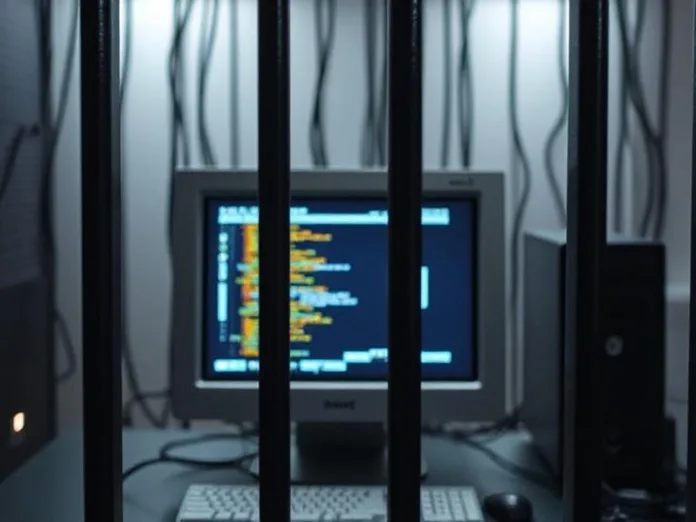
In a landmark judgment, South Africa’s Constitutional Court has ruled that prisoners have the right to use personal computers (PCs) in their cells under certain conditions. The decision, handed down on Thursday, emphasizes the importance of rehabilitation, education, and access to information for inmates.
Background of the Case
The case was brought by a group of inmates who argued that the blanket ban on personal computers in prison cells violated their constitutional rights, including the right to dignity, education, and freedom of expression. Correctional Services had previously restricted computer access to controlled environments, such as prison libraries, citing security concerns.
Court’s Ruling
In a majority judgment, the court found that while security measures are necessary, a complete prohibition on personal computers was unreasonable. The ruling allows inmates to use PCs for educational purposes, legal research, and communication—subject to strict monitoring to prevent misuse.
Justice Thandeka Mhlantla, writing for the majority, stated: “Rehabilitation is a cornerstone of our correctional system. Denying prisoners access to tools that could aid in their education and reintegration into society is counterproductive. However, this right is not absolute and must be balanced with legitimate security concerns.”
Conditions for PC Use
The Department of Correctional Services has been directed to develop regulations within six months to govern the use of personal computers in cells. These may include:
-
Restricted internet access (limited to approved educational and legal sites).
-
Monitoring software to prevent illegal activities.
-
Approval processes to ensure computers are used constructively.
Reactions
Human rights organizations have hailed the judgment as progressive. “This ruling acknowledges that prisoners should not be cut off from the digital world, which is essential for skills development,” said Rebecca Sibanda of the Wits Justice Project.
However, some security experts and victim advocacy groups have expressed concerns. “While education is important, we must ensure that technology isn’t misused for criminal activities within prisons,” warned Johan Burger of the Institute for Security Studies.
Next Steps
The Department of Correctional Services is expected to review its policies in line with the court’s directive. Meanwhile, the ruling sets a precedent for balancing prisoners’ rights with institutional security in the digital age.
This decision aligns South Africa with progressive jurisdictions worldwide, where controlled access to technology is increasingly seen as vital for prisoner rehabilitation.

