



Picture a busy small business in South Africa. Orders are coming in online, WhatsApp messages are pinging and customers are paying with just a tap. By any measure, it’s a good day. But ask the owner how much cash they’ll have next month, or which product is actually making them money, and the answer can be little more than a best guess.
Global Entrepreneurship Week is a timely reminder of the energy, resilience and determination it takes to build a small business in South Africa. It is also a good moment to ask what comes after the sale. Entrepreneurs are constantly encouraged to digitise: launch an online store, build a social-media presence, use WhatsApp to communicate with customers, and adopt payment solutions that make it easier to get paid. These are all important steps. They help businesses reach customers, create convenience and generate sales.
The sale is only half the story
What happens after money enters the business is just as important as the sale itself. Yet this is where many small businesses are still relying on spreadsheets, paper records and manually reviewing bank statements after the fact. The result is that owners can be working incredibly hard, generating sales and seeing money in the bank- without having a clear, current view of what is really happening in the business. That is not a failure of ambition. Small-business owners already carry a lot. Xero’s Emotional Tax Return research found that 55% of South African small business owners feel they can never fully switch off from work, while 95% have made personal sacrifices to balance the demands of running their business.
When time is scarce and pressure is high, it is understandable that financial administration can become something to catch up on rather than something that actively informs the next decision.
But in a challenging economic environment, financial visibility is no longer simply an administrative benefit. It is a foundation for confidence and resilience.
Business owners do not need to be financial experts. They do, however, need to be able to answer some fundamental questions: Can I see my cash flow in real time? Which products or services are most profitable? What payments, tax obligations or expenses are coming up? How much money will I need to keep the business running in the months ahead? And am I making decisions based on current information, rather than last month’s bank statement?
If the answer to most of these questions is no, the business may be operating reactively rather than planning proactively.
This can make it harder to identify cash-flow risks early, prepare for tax obligations, access funding, hire with confidence or make the right call on when and where to invest. It can also mean that the entrepreneur is left carrying uncertainty alone- often at the end of a long day, when they should be focusing on customers, opportunities and growth.
Technology that supports judgement
By bringing core financial information into one place, small businesses can gain a more timely view of their performance and the health of their business. Technology can help automate repetitive tasks, reduce the time spent chasing invoices, keep records up to date and turn financial data into useful insights. It can help owners spot trends, understand where pressure is building and make more informed decisions about what comes next.
At Xero, we believe technology should support, not replace, good judgement. The purpose of automation is not to remove the human element from running a business. It is to reduce the manual work that gets in the way of it.
This is also why the relationship between a business owner and their accountant or bookkeeper remains so important. As more compliance and administrative tasks become automated, accountants have greater opportunity to play the role many clients already need: a technology-enabled advisor who can help interpret the numbers, challenge assumptions and turn information into action.
For an entrepreneur, that can mean the difference between looking backwards at what happened and looking ahead at what is possible.
By bringing core financial information into one place, tools like Xero can give small businesses a more timely view of their performance and the health of their business.
My advice is start small
Transformation does not begin with adopting every new tool. It begins with building better habits and focusing on the fundamentals that an owner can control: timely invoicing, a clear view of costs, up-to-date financial records, regular cash-flow reviews and meaningful conversations with an advisor.
This Global Entrepreneurship Week, my encouragement to small business owners is to start small. Set aside time each week to work on the business, not only in it. Review your numbers. Ask what they are telling you. Consider whether your systems are helping you see clearly and act quickly. And speak to your accountant or bookkeeper about the information that will help you make your next move with greater confidence.
Real transformation does not end when money enters the business. It begins when an owner can understand the numbers, act on the insight and make better decisions about what comes next.
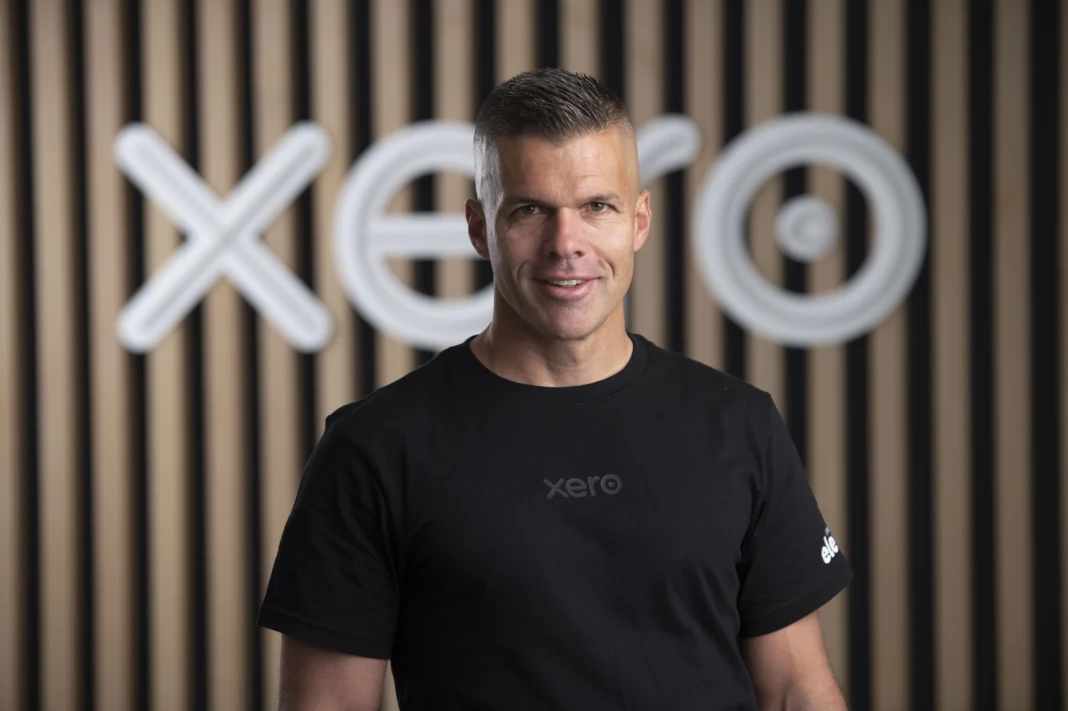
By Colin Timmis, Regional Director for Xero EMEA

