



South Africa’s construction industry has made progress in creating opportunities for women, but much more needs to be done to achieve meaningful transformation and unlock the full value that women can bring to the sector. With women accounting for only approximately 10% to 11% of the construction workforce, there is significant scope to open more opportunities for them to participate, grow and take on more prominent roles across the industry.
The evidence is already there: women are delivering complex infrastructure projects, building successful enterprises, creating jobs and generating economic value. What is needed now is decisive action to turn this proven capability into greater opportunity, opening access to projects, markets, finance, partnerships and leadership opportunities so that more women-owned businesses can grow, scale and compete at the highest levels of the construction industry.
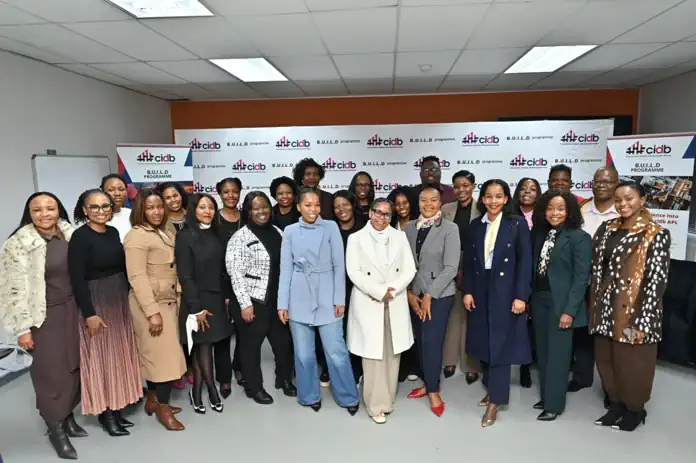
These issues were echoed at a media roundtable hosted by the Construction Industry Development Board (cidb), titled “Building a Tribe of Women in Construction”, which brought together female industry pioneers and executives to reflect on the progress made, the barriers that continue to limit women’s participation in the industry and the measures that need to be taken to accelerate meaningful transformation in the construction ecosystem.
“Transformation should not be an afterthought; it should be designed and incorporated into projects from day one,” said Tshidi Mndzebele, Founder and CEO of Avenir Holdings. Reflecting on her journey from industrial engineering student to business owner, she said the industry must increasingly judge women on their capability and performance rather than outdated stereotypes. “Competence must speak louder than stereotypes. Women are delivering complex engineering and structural projects with distinction.”
The discussion reinforced that women-owned businesses can deliver complex, high-quality infrastructure and creating real economic value. What they need now is stronger development support and meaningful access to markets to grow, scale and compete.
Lynette Mazibuko, Founder of Lenda Construction and Supply Services and a previous cidb ERWIC Awards winner, demonstrated the impact of combining capability with the right support, with her company delivering more than 200 houses on its first major project with zero defects. “Mentorship helps you scale effectively in this industry,” said Mazibuko, calling for formalised mentorship models that connect established contractors with high-potential enterprises. “Women contractors are consistently proving their capability on the ground; what we need now is to institutionalise those pathways to scale.”
The CEO of the cidb, Mr Bongani Dladla, said the industry must move beyond participation targets and create real pathways for capable women-owned businesses to enter the mainstream of construction. With major contractors increasingly operating as management contractors, he said there is a significant opportunity to bring high-performing women-owned enterprises into major projects through technical training, joint ventures and stronger integration into construction supply chains.
“What accelerates business growth is high-quality technical training combined with active joint ventures,” said Dladla. “Main contractors must identify reliable partners and take them along on major projects.” He said transformation must ultimately be measured by the value of work reaching women-owned businesses, not simply by their numbers. “Moving beyond 10% representation requires us to actively measure the actual share of high-value work and commercial contracts awarded to women-owned enterprises,” he said, calling for high-value capacity building that enables women-owned businesses to compete, deliver and grow at scale.
In conclusion, Matlhodi Ngwenya, cidb Chief Corporate Services Officer, said lasting transformation also requires the industry to challenge long-standing perceptions about who can lead and succeed in construction. “We also need to stop seeing diversity as a compliance requirement and start recognising it as a strategic advantage,” said Ngwenya, highlighting the value of bringing different perspectives, experiences and leadership into an industry that must continue to innovate and respond to increasingly complex demands.

