



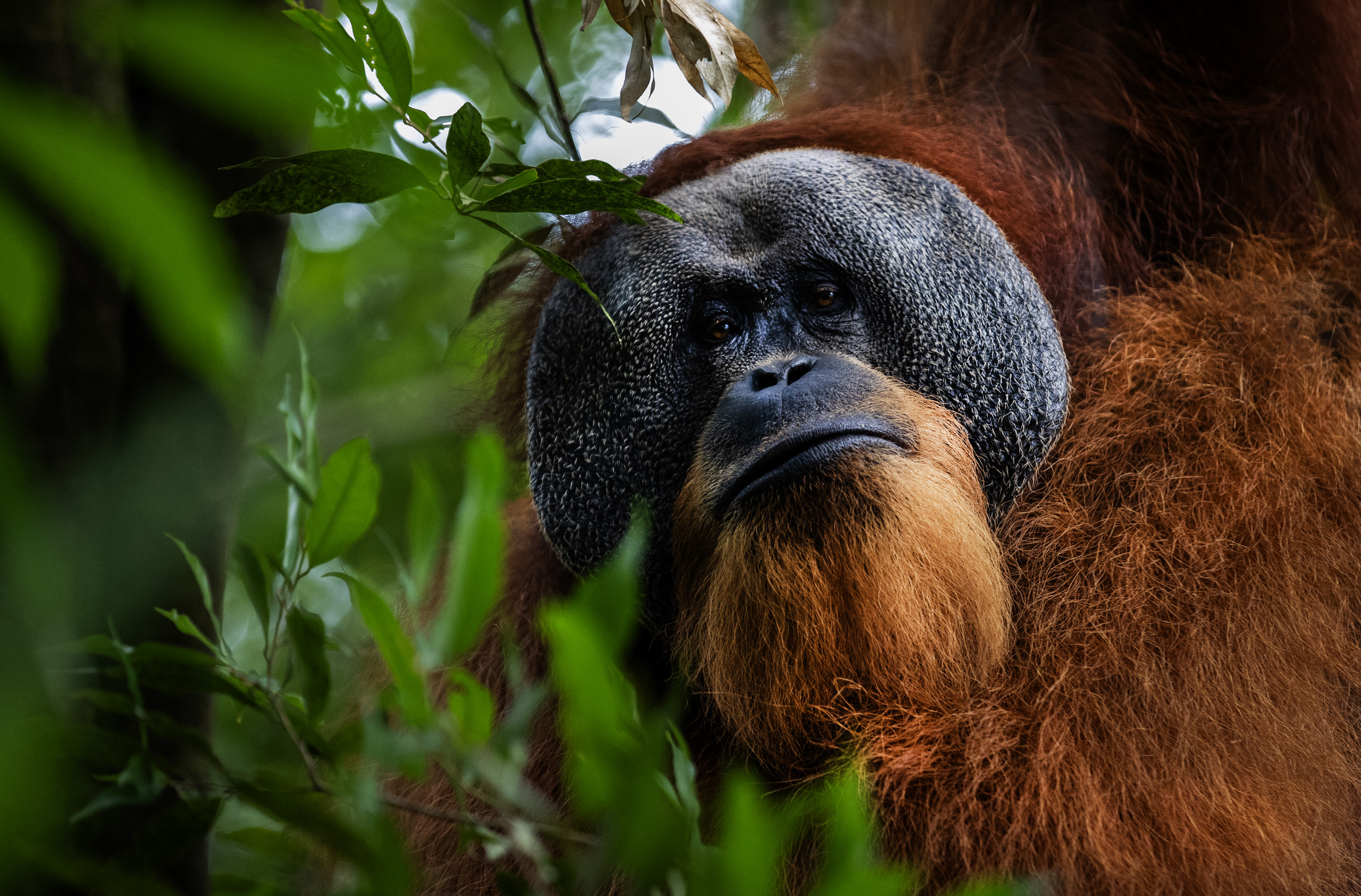
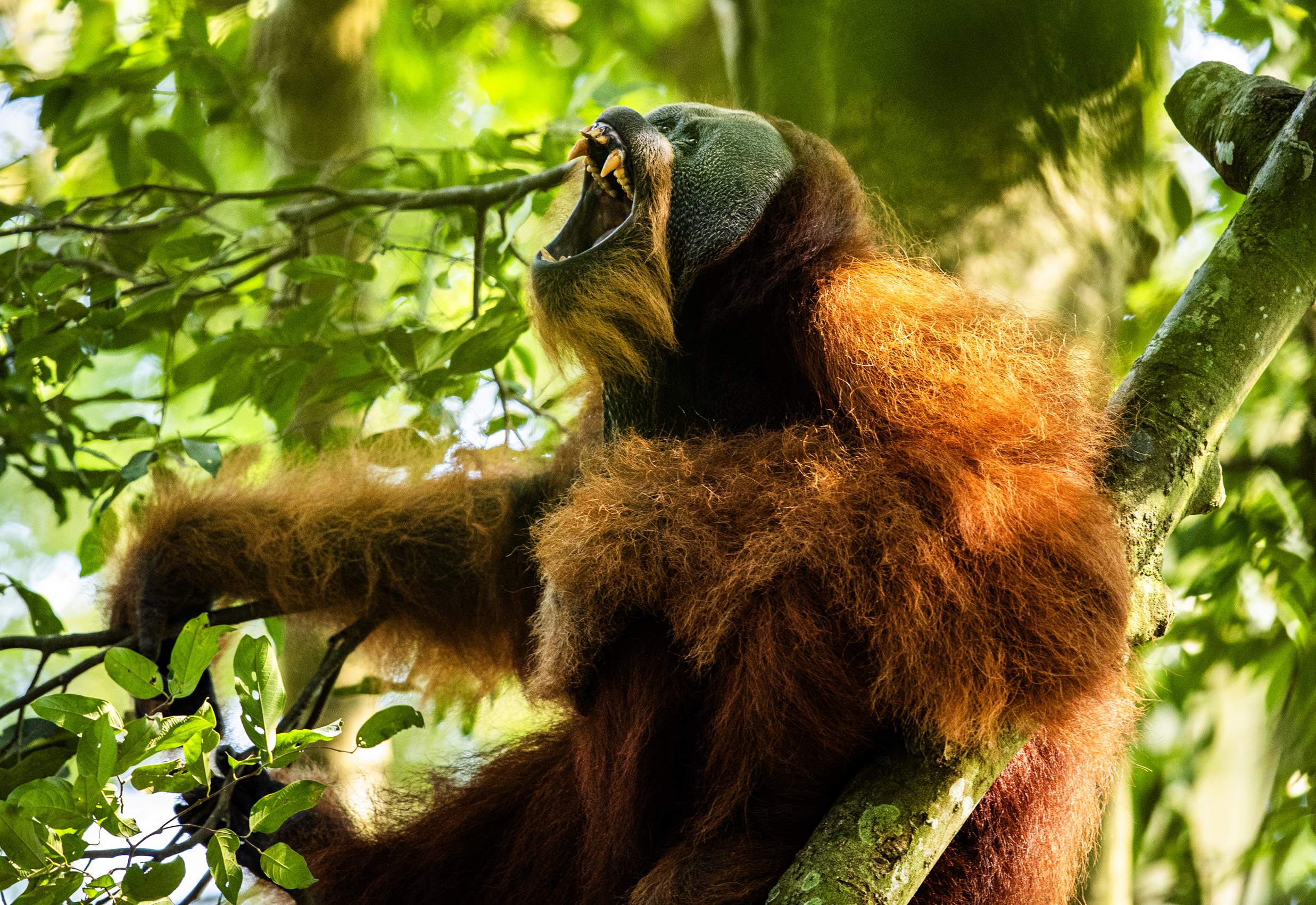
- The Singkil peat swamp, part of Sumatra’s Leuser ecosystem, is a critical habitat for Sumatran orangutans.
- Although legally protected, the Singkil peat swamp is being cleared and drained for oil palm and other crops.
- Drained and deforested peat swamps are highly flammable, and Indonesia’s fire season is beginning.
- This photo essay highlights the beauty and diversity of Singkil, as well as documenting some of the many threats facing the ecosystem.
Deep within Indonesia’s Leuser Ecosystem, one of the most important peat swamp forests left on Earth is being cleared, drained, and burned.
The Singkil peat swamp is the largest of three remaining coastal peat swamp forests on Sumatra’s west coast, alongside Kluet and Tripa. Together, these extraordinary peatlands form what’s been called “the orangutan capital of the world,” supporting some of the highest densities of Sumatran orangutans (Pongo abelii) ever recorded.
But Singkil is being destroyed.
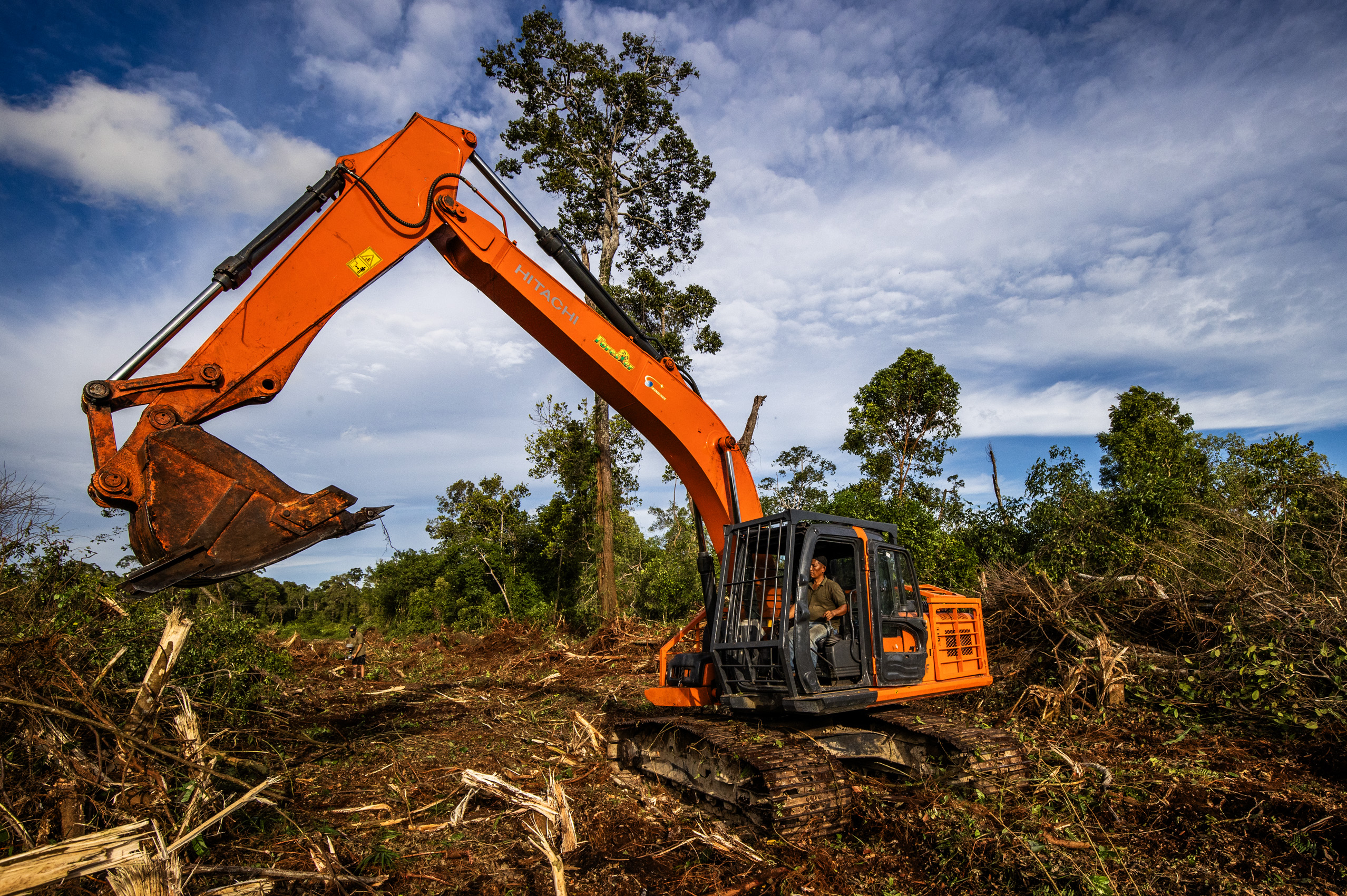
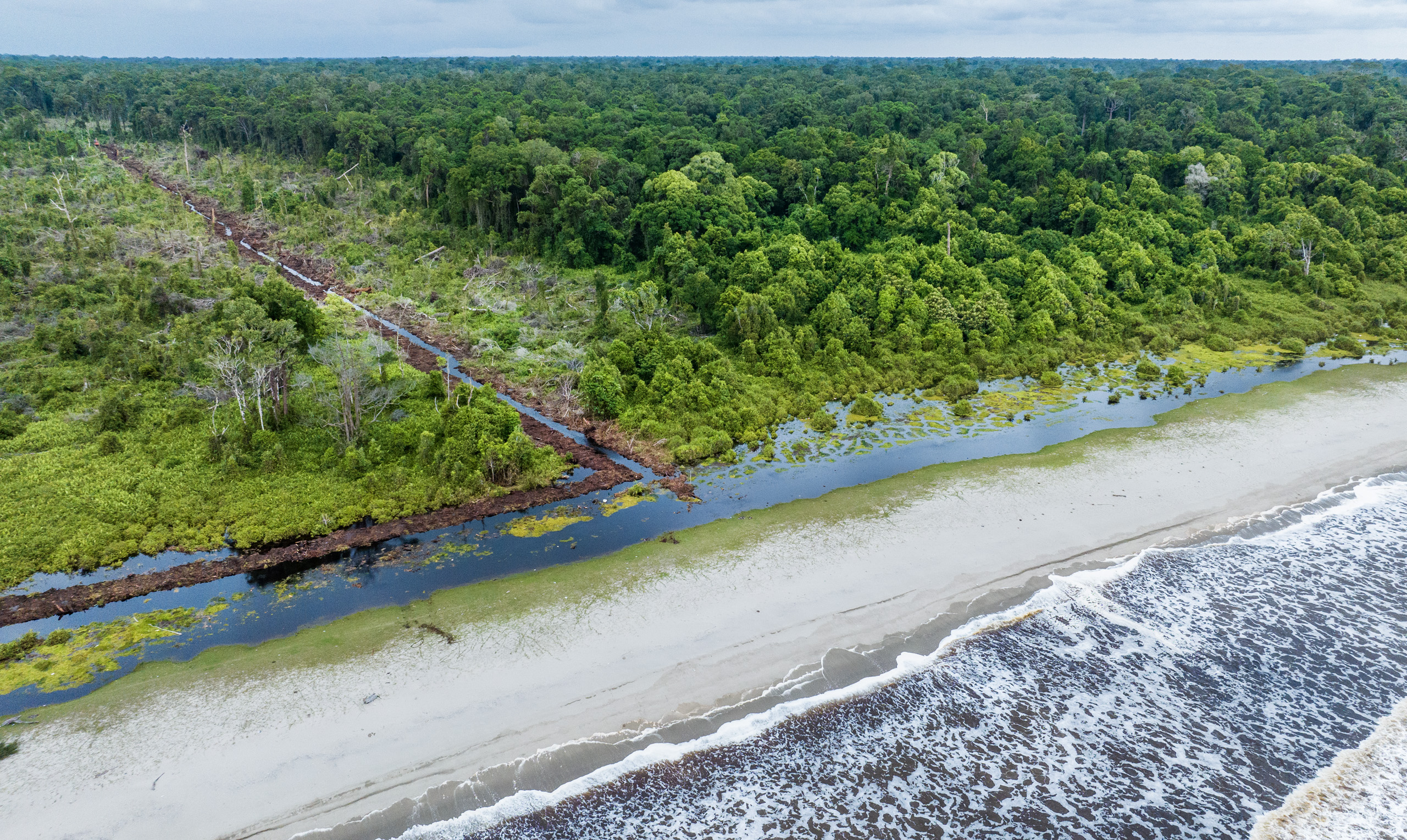
The Rawa Singkil Wildlife Reserve is nationally protected under Indonesian law. Clearing forest and establishing oil palm plantations inside the reserve is illegal. Yet forest is being cleared and burned, peat is being drained, and canals are being dug into the swamp, lowering water tables and transforming ancient forests into land for agriculture and oil palm. Satellite investigations have documented extensive illegal clearing and plantation expansion inside the reserve.
And Indonesia’s fire season has now begun.
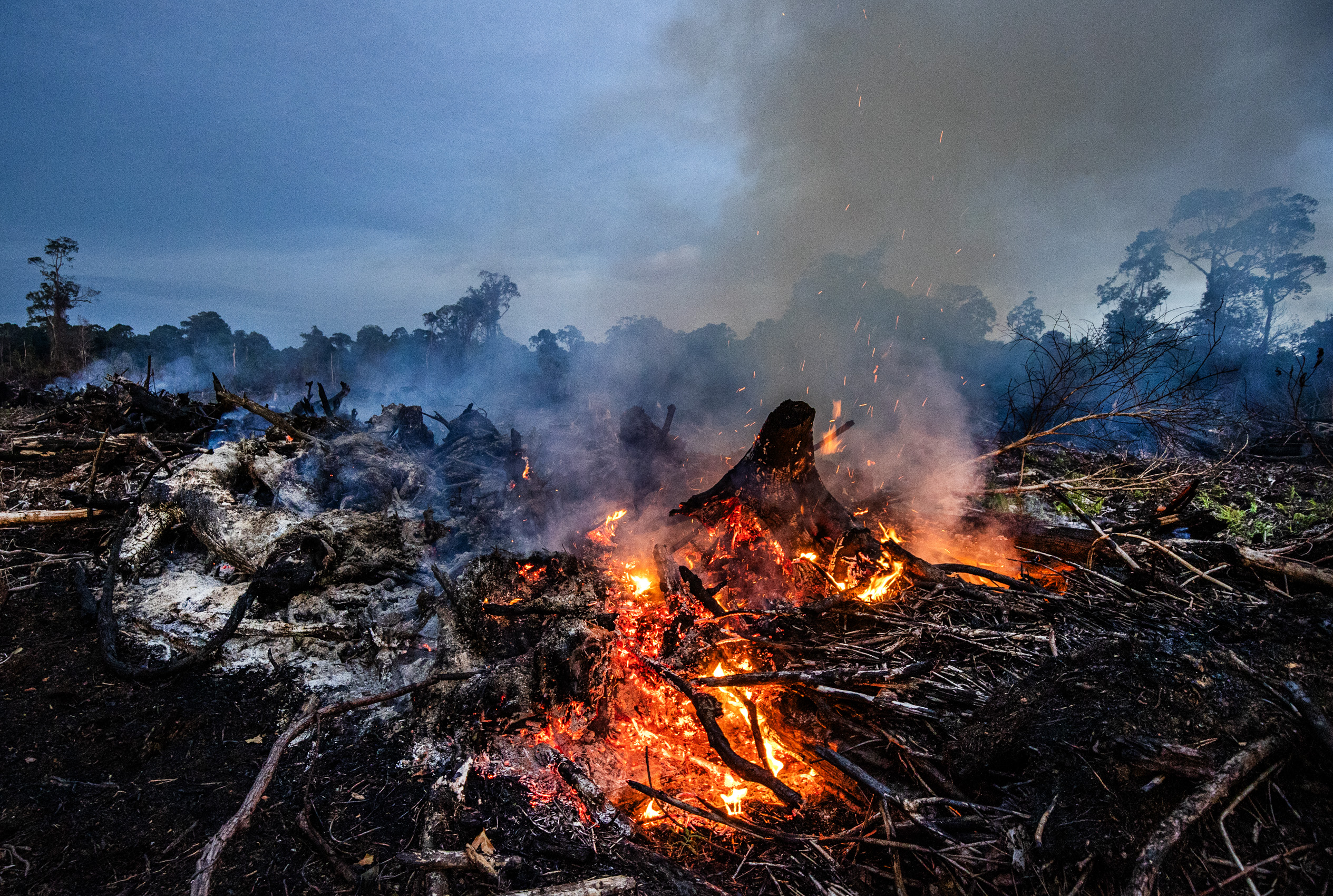
For peatlands, fire can be devastating. Once drained, peat dries out and becomes highly flammable. Fires can smolder deep underground for weeks or even months, continuing to burn beneath the surface and releasing enormous amounts of carbon dioxide stored in the peat for thousands of years. What was once a critical carbon store becomes a major source of greenhouse gas emissions.
Peatlands are ancient ecosystems, formed over millennia. Yet their destruction can take just days.
Communities have lived around Singkil for generations, and many depend on the landscape for their livelihoods. Conservation cannot succeed by blaming local people or ignoring their need for land and income.
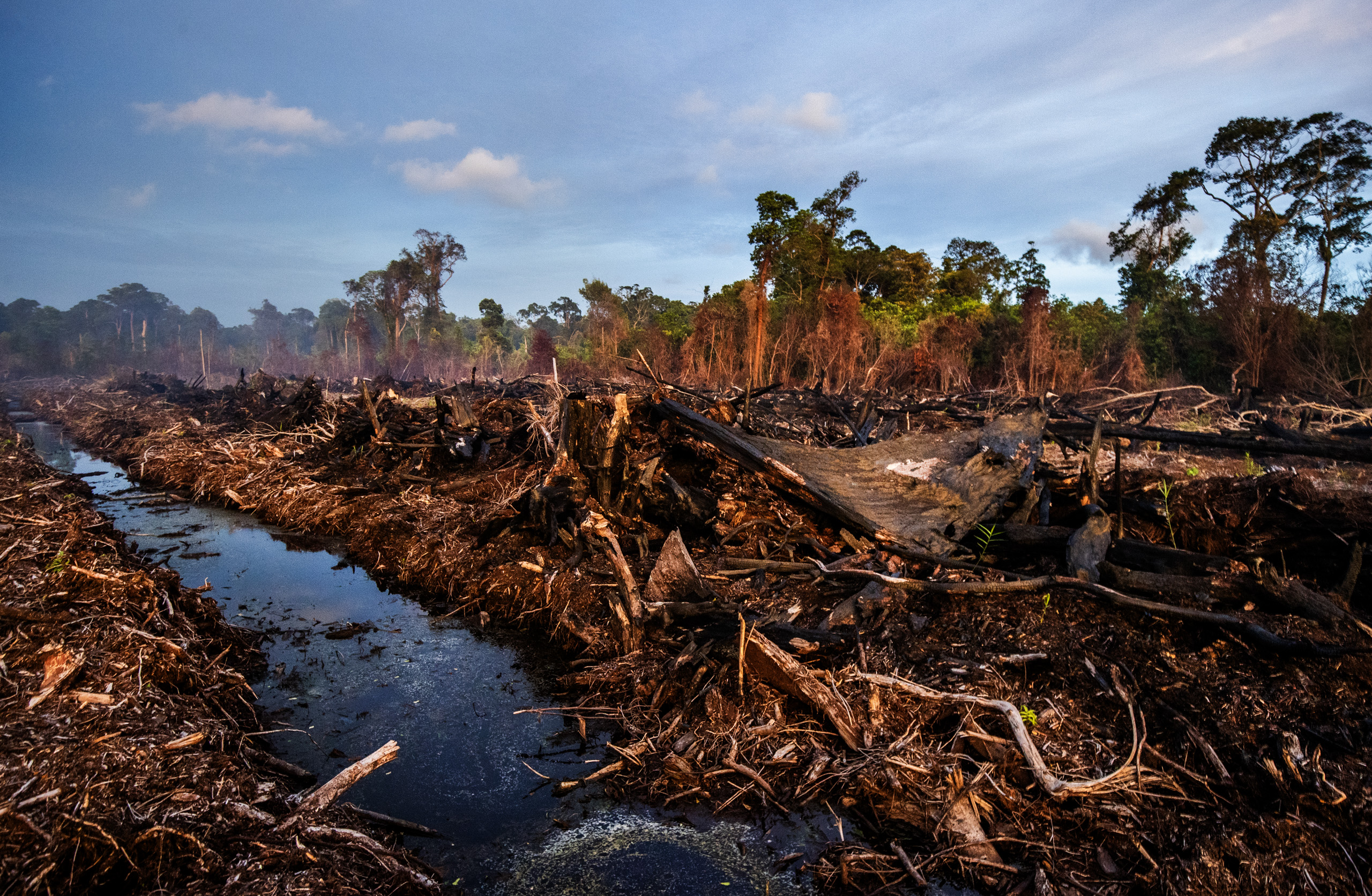
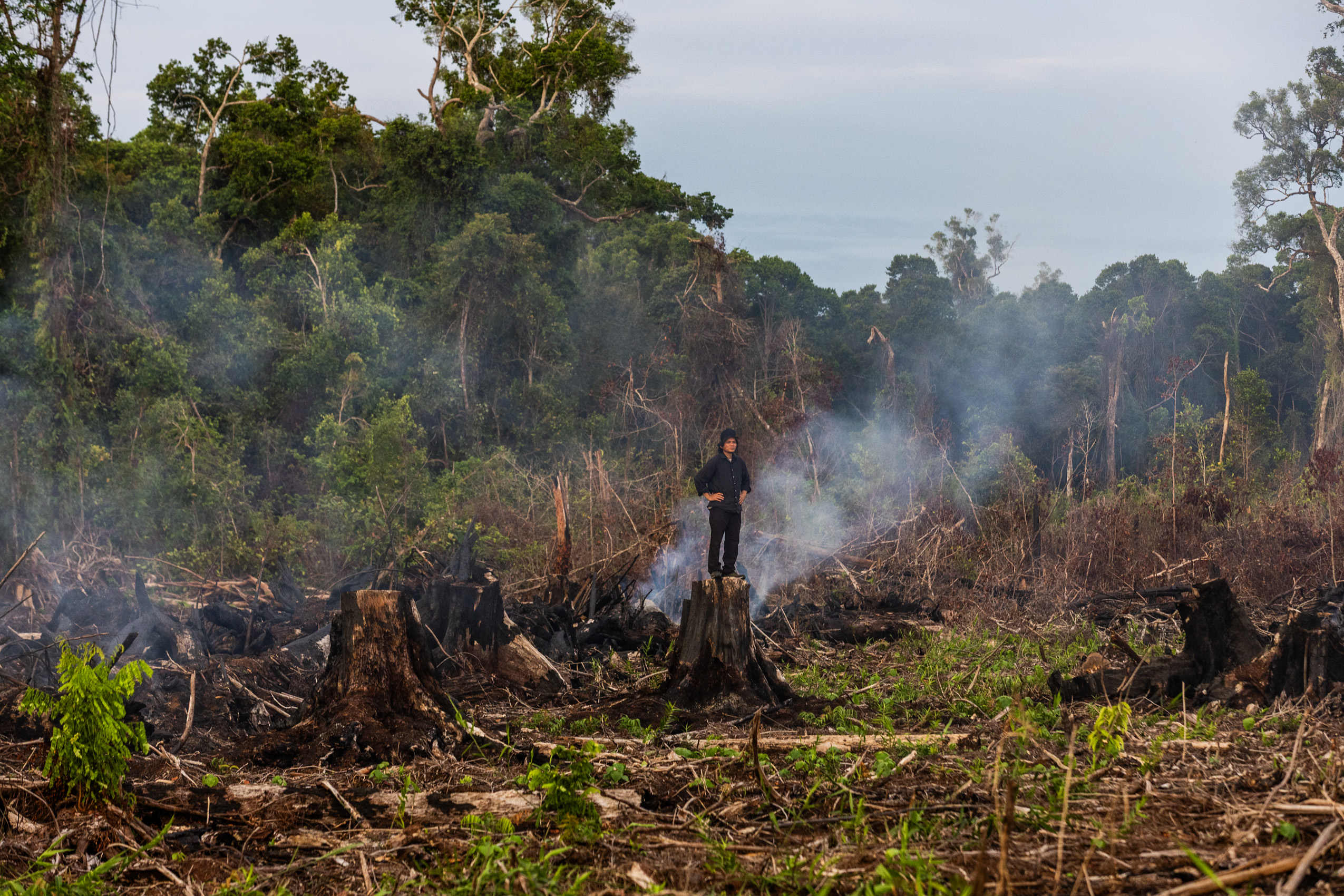
But the destruction goes beyond subsistence farming.
Investigations have documented land speculation, organized clearing, and commercial oil palm expansion inside the protected reserve. Forest is being cleared for plantations despite the legal protections intended to prevent exactly this, according to the Rainforest Action Network.
And what is being lost is far more than forest.

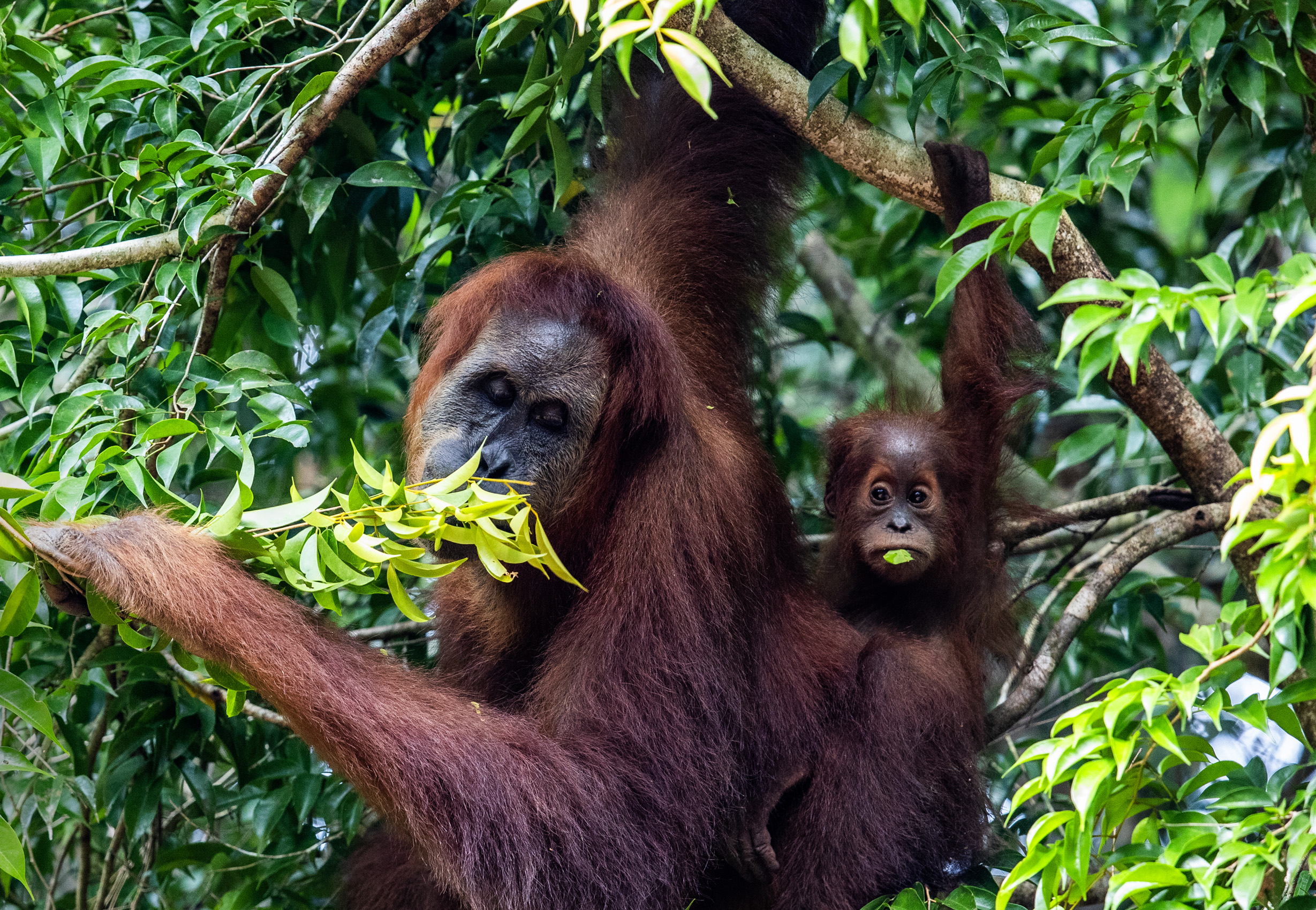
“Singkil is one of the most important remaining habitats for the critically endangered Sumatran orangutan,” says Ian Singleton, one of the world’s leading conservationists working with the species. “These peat forests provide an extraordinary abundance of high-quality food throughout the year. This exceptional food availability helps orangutans survive here at extraordinary densities.”
A major new scientific assessment confirms this importance. The 2026 range-wide assessment of Sumatran and Tapanuli orangutans (Pongo tapanuliensis), based on surveys conducted between 2021 and 2023 and published in Global Ecology and Conservation, found the highest orangutan densities in the Trumon–Singkil peat swamp.
The same assessment found that the Sumatran orangutan population declined by 19.5% between 2011 and 2023, with an estimated 11,694 Sumatran orangutans remaining across their range.
The Leuser Ecosystem is unique: it’s the last place on Earth where Sumatran tigers, orangutans, elephants,and rhinos still coexist. Within it, Singkil is one of the orangutan’s last great strongholds.
On paper, Singkil is already protected.
The laws exist. The reserve exists. The importance of this landscape is understood.
What’s missing is making that protection real on the ground. Without stronger enforcement against illegal clearing, burning,and land speculation — and without finding ways of working with surrounding communities to develop livelihoods that do not depend on destroying protected forest — Singkil will be lost, conservationists warn.
Banner image: A male orangutan in the Leuser Ecosystem, by Global Conservation.
Major orangutan study finds Sumatran population fell nearly 20% despite slower forest loss
FEEDBACK: Use this form to send a message to the editor responsible for this story. If you want to post a public comment, you can do that at the bottom of the page.
Credits

This story first appeared on Mongabay
This article is licensed under a Creative Commons Attribution-NoDerivatives 4.0 International License.
You may republish this article, so long as you credit the authors and Mongabay, and do not change the text. Please include a link back to the original article.

