



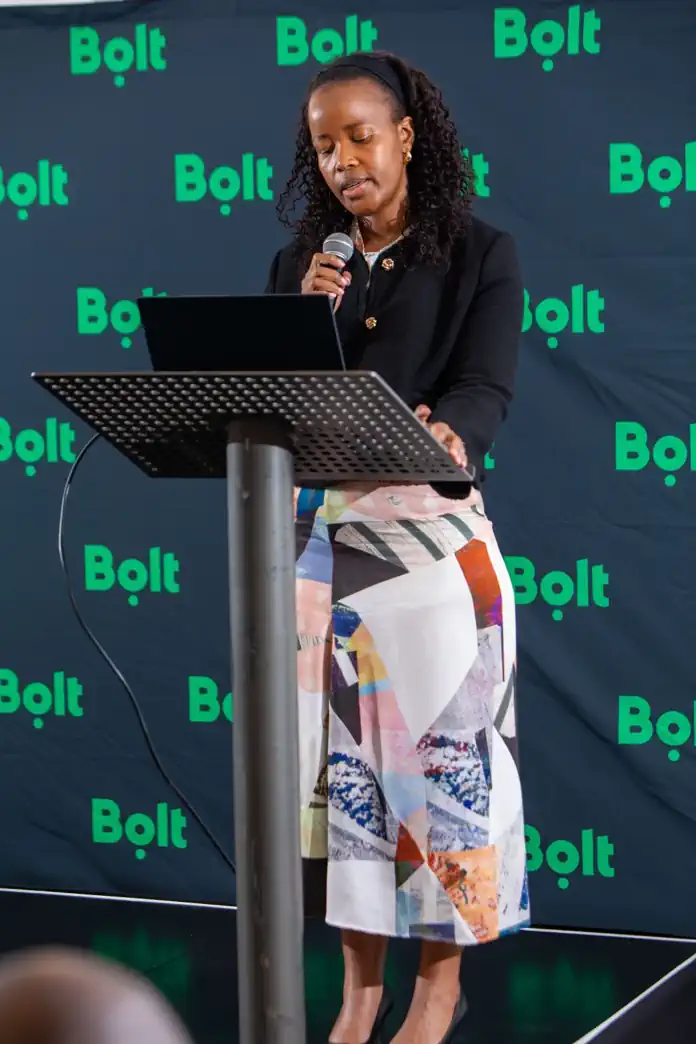
Bolt South Africa is expanding its national e-hailing compliance programme following regulatory engagements in the North West and Western Cape, as the industry works to turn South Africa’s new e-hailing regulations into practical licensing, safety and operating processes.
Bolt became one of the first major e-hailing platforms to receive a Certificate of Registration from the National Public Transport Regulator in February 2026. The company is now working with provincial regulators, government, transport associations and operators to support the implementation of the National Land Transport Amendment Act, 2023 and the Second National Land Transport Regulations, 2025.
More than 150 operators attended Bolt’s first North West E-Hailing Regulatory Engagement Session in Rustenburg on 18 August, with additional operators receiving one-on-one assistance through support and help desks. This was followed by the Western Cape Transport Dialogue in Cape Town on 21 August.
The Western Cape engagement has already produced a practical outcome. Mr Mark Skriker, Director: Licensing and Adjudication at the Western Cape Mobility Department, has honoured a commitment made during the dialogue to include e-hailing as a service option when applicants apply for new operating licences through the Western Cape Government. This provides operators with a clearer application pathway and demonstrates the value of direct engagement between government and industry.
“Bolt was one of the first major platforms to register under the new regulatory framework, but leadership cannot end with our own compliance,” said Fikile Nzuza-Chunga, Senior Public Policy Manager at Bolt South Africa. “Operators must understand what the law requires, licensing processes must work in practice and the institutions responsible for implementation must remain accessible. Our provincial engagement programme is designed to help move the industry from regulation to implementation.”
The North West session brought together the Provincial Regulatory Entity, the National Department of Transport, SANTACO, operator associations and e-hailing operators. Discussions addressed uncertainty around operating licences, application procedures, association membership, panic buttons, vehicle branding and vehicles registered outside the province.
Representatives from the National Department of Transport, together with Advocate Lungile Mabece, who was involved in drafting the Regulations, explained the respective responsibilities of operators, platforms and regulatory authorities.
During the session, the North West Provincial Regulatory Entity highlighted a broader backlog of between 3,000 and 5,000 pending operating-licence applications across the province. The regulator indicated that more frequent sittings would be required to address the backlog and requested accurate information on the number of active operators in each municipality.
Bolt will submit information on its North West operator base to assist the Provincial Regulatory Entity in developing a practical approach to e-hailing applications. The company will also continue engaging the relevant authorities on an appropriate enforcement approach while operators await the processing and outcome of their applications.
Rider and driver verification were also central to the North West discussion. Operators raised concerns about the continuous identity and documentation checks applied to drivers compared with the information historically required from passengers.
Bolt is gradually expanding rider identity verification across South Africa. Riders are prompted to enter their South African ID number and take a selfie, with most verifications completed automatically within minutes. If a rider cannot be verified immediately, they may be asked to upload an identity document for additional checks.
The process is supported by a trusted verification partner and includes checks against records maintained by the Department of Home Affairs. Voluntary verification is already available to riders nationwide, helping ensure that users are accurately identified and accountable when accessing the platform.
“Drivers are required to meet strict identity, documentation and licensing standards. Strengthening rider verification helps close an important safety gap and supports greater accountability on both sides of the platform,” said Nzuza-Chunga. “Verification is not a complete solution on its own, but it is an important part of the wider safety system Bolt continues to build.”
The Western Cape Transport Dialogue brought together representatives from the Western Cape Mobility Department, the Western Cape Provincial Regulatory Entity, Traffic Law Enforcement, the City of Cape Town Urban Mobility Directorate and the Western Cape E-Hailing Association.
Stakeholders discussed operating-licence administration, safety, conflict prevention, law-enforcement coordination and the role of e-hailing in supporting first- and last-mile connectivity. The dialogue also explored the establishment of a Public Transport Industry Working Group to address shared challenges, assign responsibilities and monitor progress.
Both provincial engagements placed a strong focus on coexistence between e-hailing and the minibus taxi industry. In the North West, SANTACO reaffirmed its support for constructive engagement with the e-hailing sector, while Western Cape stakeholders explored stronger communication, clearer operating arrangements and faster mechanisms for resolving disputes.
“No single form of transport can meet every passenger’s needs,” said Nzuza-Chunga. “A functioning transport system requires e-hailing, minibus taxis, buses and rail to complement one another. Bolt is creating platforms where difficult regulatory and operational challenges can be converted into practical action.”
Bolt plans to extend the engagement model to other provinces. The company will continue supporting operator education, strengthening rider verification and engaging regulators on functional operating-licence processes.
“The success of the new framework will be measured by whether operators can obtain licences, whether passengers and drivers are safer and whether different parts of the transport industry can work together,” Nzuza-Chunga concluded. “Bolt is committed to helping turn those outcomes into reality.”

