



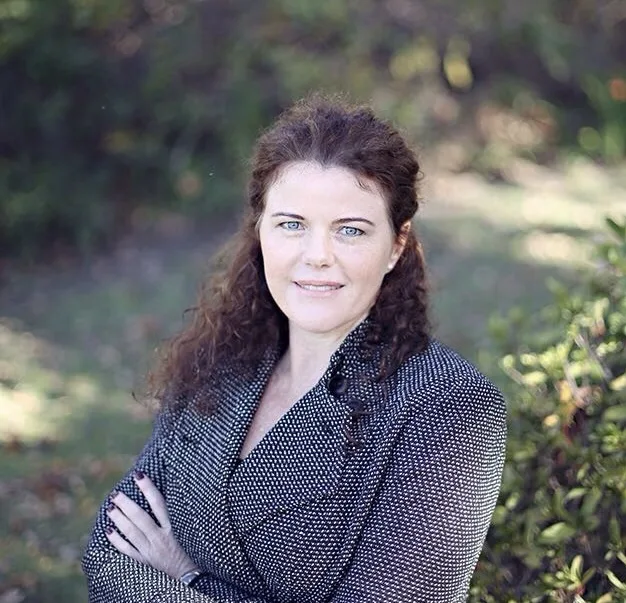
When Liandra Kotzé joined Vinimark as Brand Portfolio Director at the start of 2026, she brought more than 25 years of experience in the wine industry, spanning finance, brand strategy, commercial leadership and customer marketing. But beyond her extensive industry experience, Liandra brings a thoughtful perspective on where South African wine stands today and where it needs to go next. From evolving consumer expectations and innovation to the enduring power of storytelling in wine, we sat down with Liandra to learn more about the person behind the role, her vision for Vinimark’s portfolio and what she believes the South African wine industry needs to embrace to stay relevant.
Why did you want to join Vinimark?
Vinimark represents some of the most respected and diverse wine brands in South Africa. What drew me in was the opportunity to work across such a powerful portfolio and to influence how these brands grow.
After years of working within brand houses, the idea of shaping a portfolio at this scale, with a strong commercial lens and close connection to both producers and the trade, felt like a natural next step. Vinimark is also a business that understands the importance of relationships, a value I deeply share.
Of all your past experiences, which ones best equip you for your new role?
My career has really been built across the full value chain of wine, from finance and analytics through to global brand strategy, marketing and customer marketing. That gives me a very balanced perspective.
Leading global wine portfolios at Distell and KWV, and more recently working closely with customers and distributors at DGB, has equipped me to think both strategically and commercially. I’ve spent a lot of time aligning brand vision with market realities, managing P&Ls, and unlocking growth opportunities across channels.
Equally important has been my experience in marketing effectiveness and revenue management. Understanding what truly drives ROI, and how to optimise investment across brands and channels, is critical in a portfolio role like this.
Since you’re relatively new to the team, what do you see as already successful, and what changes would you suggest to enhance this success?
What stands out immediately is the strength and credibility of the portfolio. Vinimark represents brands that are not only award-winning but deeply respected in the trade. That foundation is incredibly powerful.
There is also a strong culture of collaboration across teams, which is essential in a business that serves as a bridge between producers, customers, and consumers.
Where I see opportunity is in sharpening how we bring these brands to life in a more integrated way, ensuring that brand strategy, customer marketing, and execution are even more tightly aligned. There’s also an opportunity to lean further into data and insights to guide decisions, particularly in a fast-evolving market.
I also believe the industry needs to embrace AI and technology more intentionally. AI is not there to replace creativity or relationships, which remain at the heart of wine, but it can significantly enhance how we analyse data, understand consumers, personalise communication, and improve speed to market. The businesses that learn how to combine human insight with smart technology will be the ones that stay relevant and competitive in the future.
What is your vision for your particular role? What do you want to achieve as a team leader?
My vision is to build a portfolio that is not only commercially strong but also meaningfully differentiated. Each brand should have a clear role, a clear audience, and a clear reason to exist in the market.
As a team leader, I want to create an environment where people feel empowered to think strategically, act with accountability, and collaborate openly.
Ultimately, success for me is when the team is aligned, motivated, and consistently delivering growth for our brand partners while strengthening Vinimark’s reputation as the leading wine marketing and distribution partner in South Africa.
What’s in your “secret sauce”? What drives you? What inspired you?
I would say it’s a combination of curiosity and discipline. I’m naturally curious about consumers, markets, and how brands evolve, but I also believe strongly in structure and execution.
What drives me is seeing a strategy come to life in a way that genuinely shifts performance. There’s something incredibly rewarding about connecting the dots between insight, strategy, and results.
I’ve also been fortunate to work with incredible teams and mentors throughout my career, and that has shaped my approach to leadership and collaboration.
What do you love about working in the wine industry?
Wine is one of the few industries where product, place, and people are so deeply connected. Every bottle has a story, and that story matters.
It’s also an industry that constantly evolves. You’re balancing heritage with innovation, tradition with changing consumer behaviour. That tension keeps things interesting.
And then there’s the human side. The relationships, the passion, the craftsmanship. It’s a very special industry to be part of.
What’s your favourite wine?
That’s always a difficult question. It really depends on the moment.
I tend to gravitate towards wines that are expressive and well-balanced. But more than a specific varietal, it’s about the context. The people you’re with and the experience you’re sharing.
What industry changes do you foresee that 2026 will bring? How are you preparing and adapting your strategies for the future?
We’re going to see continued shifts in consumer behaviour, particularly around premiumisation, moderation, and purpose-driven purchasing. Consumers want authenticity, but they also want relevance.
Digital and data will play an even bigger role, not just in communication but in how we understand and serve our customers.
There’s also a growing focus on sustainability, not as a “nice to have” but as a fundamental expectation.
From a strategy perspective, it’s about being agile. Building brands that are clear in their positioning, but flexible in how they show up. And ensuring we’re using data and insights to make smarter, faster decisions.
Tell us something people wouldn’t know about you…
I started my career in finance before moving fully into marketing, which not many people expect. It’s given me a strong commercial grounding that still shapes how I think today.
I also have a deep appreciation for learning and development. Completing my MBA while working full-time was a big personal milestone.
Outside of work, I enjoy spending time in nature. It’s where I reset and gain perspective.
What new opportunities are opening up for wine, and why?
There’s a real opportunity to make wine more accessible and relevant to new consumers. That doesn’t mean diluting the category; it means translating it in a way that feels less intimidating and more inclusive.
At the same time, we also need to be honest about the challenges facing the industry. One of the biggest challenges is attracting new consumers to the category, especially younger consumers, who have far more choices today than previous generations. Wine is competing not only with other alcohol categories but with entirely different lifestyle occasions and consumption habits.
That’s why innovation is becoming so important. Different wine formats, from smaller pack sizes and cans to more convenient and occasion-based offerings, are helping make wine more approachable and adaptable to modern lifestyles. Consumers are looking for convenience, moderation, and flexibility, and the category needs to evolve alongside those needs while still protecting the integrity and story of wine.
Experiential marketing is also becoming increasingly important. Consumers want to engage with brands in a more immersive and meaningful way, and wine is perfectly positioned to do so because it naturally brings together storytelling, hospitality, food, travel and connection.
Globally, South African wine continues to gain recognition, which opens doors for premiumisation and storytelling on a larger stage. The opportunity now is to balance heritage with innovation, ensuring we stay relevant to a new generation of wine drinkers while continuing to build long-term value for the category.
Anything you’d like to add?
I think we’re at a defining moment for the wine industry, particularly in South Africa. We have world-class quality, incredible diversity, and some of the most authentic stories in the global wine landscape.
At the same time, the industry cannot rely only on heritage or tradition to secure its future. We need to continue evolving, finding new ways to connect with consumers, making wine more accessible, and ensuring we remain relevant in a rapidly changing world.
For me, that’s what makes this role so exciting. It’s about helping build brands that honour where we come from while confidently embracing where the industry is going. If we can combine innovation, collaboration, and strong storytelling with the exceptional quality South Africa already produces, I believe the future of our wine industry is incredibly promising.

