



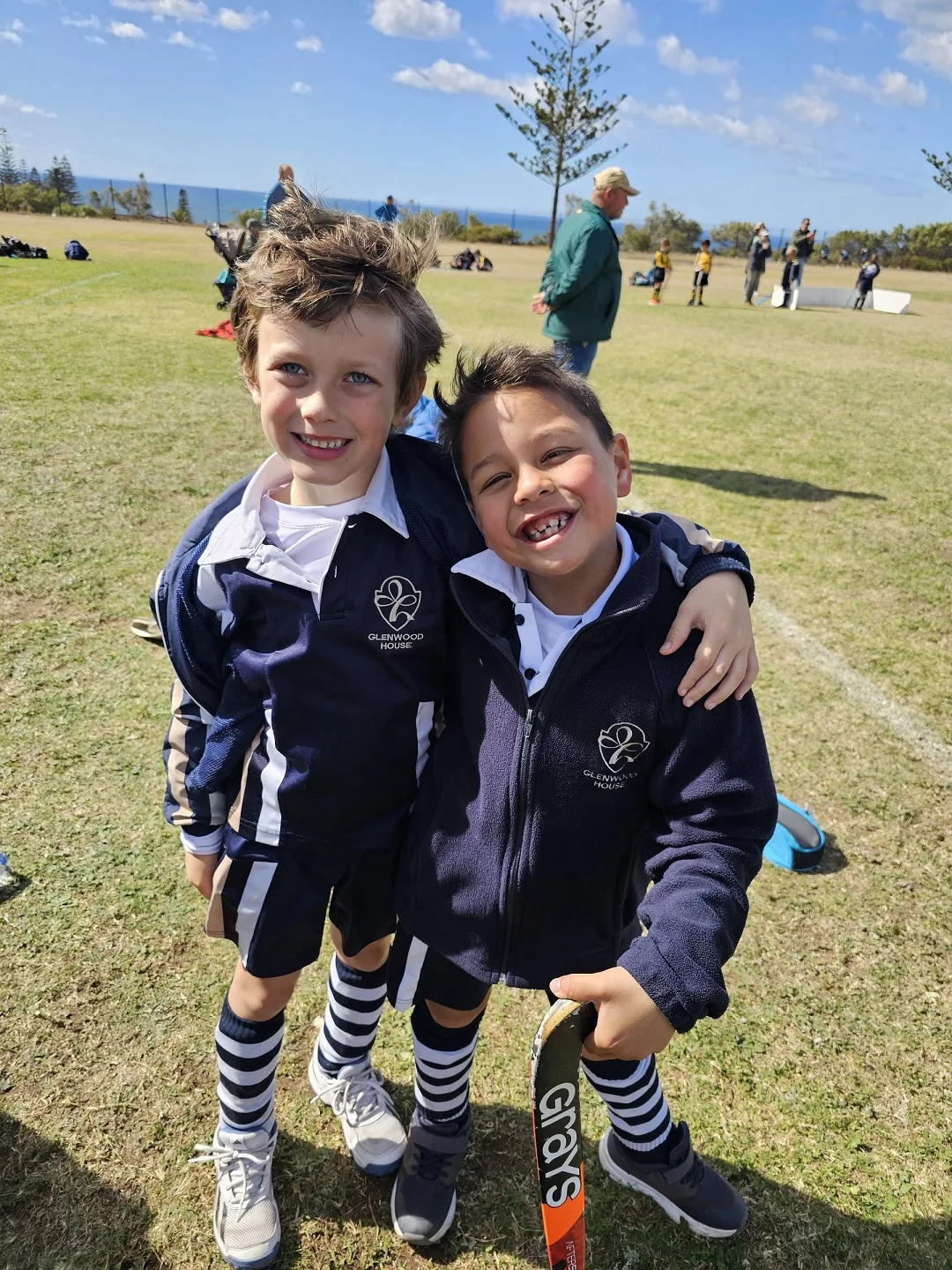
This International Day of Friendship, 30 July, Glenwood House explores why kindness, loyalty, empathy and accountability are essential qualities for building meaningful relationships.
Parents often worry about whether their child has enough friends, receives invitations or feels included. A more valuable question, however, may be whether their child knows how to be a good friend.
Friendship is often viewed as something young people should receive: acceptance, companionship and a sense of belonging. Meaningful friendship also asks something of them. It requires kindness, reliability, honesty, forgiveness and the courage to take responsibility when mistakes are made.
This International Day of Friendship, Glenwood House encourages families to shift the focus away from popularity and towards raising young people who make others feel valued, respected and included.
“Children naturally want to belong, but belonging should not depend on changing who they are or seeking approval at any cost,” says Lindi Nieman, Head of Pastoral Care of Glenwood House Preparatory. “A healthy friendship allows both people to feel safe, heard and accepted. Children also need to understand the important role they play in creating that kind of relationship for someone else.”
Friendship begins with everyday choices
Good friendship is rarely built through grand gestures. Small, consistent choices often matter most: saving someone a seat, noticing when a classmate is alone, keeping a promise, listening without interrupting or offering encouragement after a difficult day.
Schools provide young people with daily opportunities to practise these qualities. Classrooms, playgrounds, sports fields and cultural activities all become spaces where students learn to share, cooperate, resolve disagreements and appreciate different personalities.
“Children learn about friendship by experiencing it, observing it and practising it,” says Carla Pringle, Head of Pastoral Care of Glenwood House High School. “Teachers and parents can guide them, but children also need opportunities to navigate relationships, make mistakes and learn how to repair the hurt they may have caused.”
Such lessons can be uncomfortable. A child may exclude someone, break a confidence, speak unkindly or fail to support a friend. Adults may feel tempted to solve the situation immediately, yet these moments can become valuable opportunities for growth.
Saying “I am sorry” is important, but a meaningful apology goes beyond the words. Children should learn to acknowledge what happened, understand how their actions affected another person and consider what they can do differently next time.
“Accountability is not about shaming a child for getting something wrong,” Nieman explains. “It is about helping them recognise that their choices affect other people. Taking responsibility builds trust, emotional maturity and stronger relationships.”
Forgiveness is equally important. Young people need to know that friendships can survive misunderstandings when both parties communicate honestly and show a genuine willingness to repair the relationship.
Not every friendship should be preserved, however. Children also need guidance in recognising unhealthy dynamics, setting appropriate boundaries and understanding that loyalty does not mean tolerating manipulation, cruelty or repeated disrespect.
Moving beyond the popularity contest
Social media and peer pressure can create the impression that friendship is measured by numbers: invitations, messages, followers or the size of a social circle. Quality remains far more important than quantity.
One dependable friend may offer greater emotional security than a large group in which a child never feels fully accepted. Parents can support this understanding by avoiding comparisons and showing interest in how friendships make their child feel rather than focusing only on how many friends they have.
Helpful conversations might include questions such as: “How did you help someone feel included today?”, “What do you value in a friend?” or “What could you do if someone was sitting alone?”
Pringle adds: “Children notice the way adults speak about friends, handle conflict and respond when someone disappoints them. Respect, honesty and forgiveness become far more meaningful when young people see those qualities modelled consistently at home and at school.”
Strong friendships contribute to confidence, resilience and emotional wellbeing, but their value extends beyond childhood. Young people who learn how to listen, apologise, include others and act with compassion carry those abilities into future relationships, workplaces and communities.
International Day of Friendship offers a timely reminder that raising socially confident children is not only about helping them find connection. It is also about teaching them to become the kind of people others can trust.
Popularity may come and go. Kindness, loyalty, empathy and accountability create something far more lasting: friendships in which every person has the opportunity to feel seen, respected and valued.

