



World Mental Health Day highlights the hidden pressures teenagers carry, and the difference parents and teachers can make by noticing, listening and offering support.
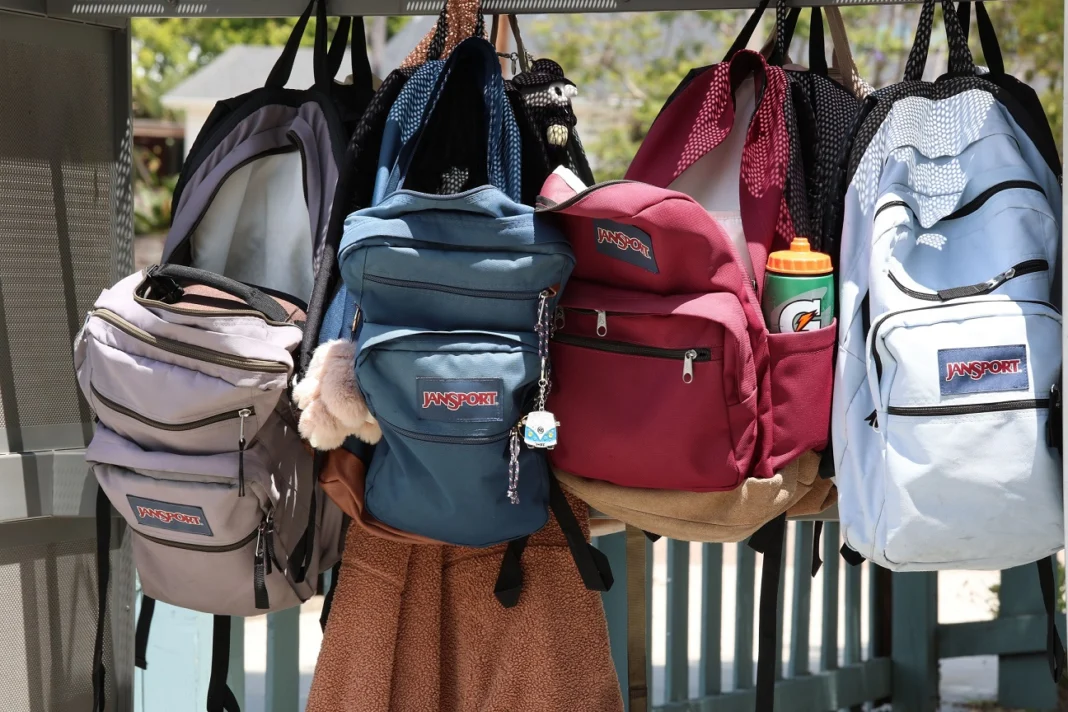
Every morning, students walk through school gates carrying backpacks filled with books, lunchboxes and stationery. Yet some carry another, invisible backpack: academic pressure, friendship difficulties, family worries, fear of disappointing someone or the exhausting feeling of never being good enough.
Angela Warburton, Deputy Principal of Trinityhouse Glenvista, encourages adults to recognise this unseen emotional weight. Some students carry it lightly; others find that it becomes heavier throughout the day. A seemingly small incident may be the final weight added to an already overflowing backpack.
The pressures they carry
Growing up in South Africa brings particular challenges. Beyond examinations and friendships, some teenagers worry about personal safety, crime and whether their loved ones will return home safely.
Adults teach children to be vigilant, lock doors and remain aware of their surroundings. Warburton acknowledges that these precautions are necessary, while encouraging families to recognise the emotional weight of living with uncertainty.
Academic expectations add another layer.
“I have encountered high-achieving students who quietly believe that anything less than excellence means failure,” says Warburton. “We must remind them that a percentage measures performance on a particular day, not their worth as a person.”
A world that rarely switches off
Technology offers wonderful opportunities, but it has also created a world where adolescent pressures rarely switch off.
“In my experience, group chats can be particularly difficult,” says Warburton. “Students may be deliberately excluded or become the subject of hurtful comments dismissed as jokes.”
The explanation, “We were only joking”, can overlook the hurt caused. There is a difference between laughing with someone and laughing at someone. Words typed behind a screen can hurt just as deeply as words spoken face to face.
Social media also influences self-image. Teenagers encounter photographs of seemingly perfect bodies, flawless appearances and exciting social lives, often without recognising the filters, editing and carefully selected moments behind them.

A student sitting at home may see photographs of friends enjoying an outing without them. What begins as “Why wasn’t I invited?” can become “What is wrong with me?”
“Their worth should never be measured by likes, appearances or inclusion in a group chat,” says Warburton.
When “I’m fine” isn’t fine
Teenagers do not always express anxiety through tears. Sometimes it appears as irritability, withdrawal, anger, declining marks or reluctance to attend school.
Occasional stress is normal. However, persistent changes that interfere with everyday life deserve attention and, sometimes, professional support.
Drawing on her experience in student affairs, Warburton explains that behaviour often tells only part of the story.
“When a student makes a poor choice, I try to ask, ‘What else is going on?’” she says. “Understanding behaviour does not remove accountability. Compassion and consequences can coexist.”
Listening before fixing
When teenagers finally open up, adults’ instinct is often to solve everything immediately. Warburton encourages a response that begins with listening.
“Instead, try saying, ‘That sounds difficult,’ or ‘I’m glad you told me,’” she suggests.
Parents and teachers can work together by sharing concerns, noticing changes and creating opportunities for honest conversations. Young people should also be encouraged to solve manageable problems themselves, while knowing when and how to ask for help.
“Sometimes the most powerful intervention is simply a trusted adult who notices,” says Warburton.
One caring adult
World Mental Health Day reminds us that supporting young people’s wellbeing is everyone’s responsibility. Make time for honest conversations, take concerns seriously and seek support when it is needed.
“We cannot remove every challenge they face, nor should we,” says Warburton. “Our job is not necessarily to carry their backpack for them. Our job is to notice when it has become too heavy.”
Looking beyond behaviour and listening beyond words can help adults recognise the weight a teenager is carrying. One caring adult who notices, listens and responds can make a meaningful difference. We may not be able to remove every weight from a young person’s backpack, but we can ensure they have someone beside them as they learn to carry it.

