



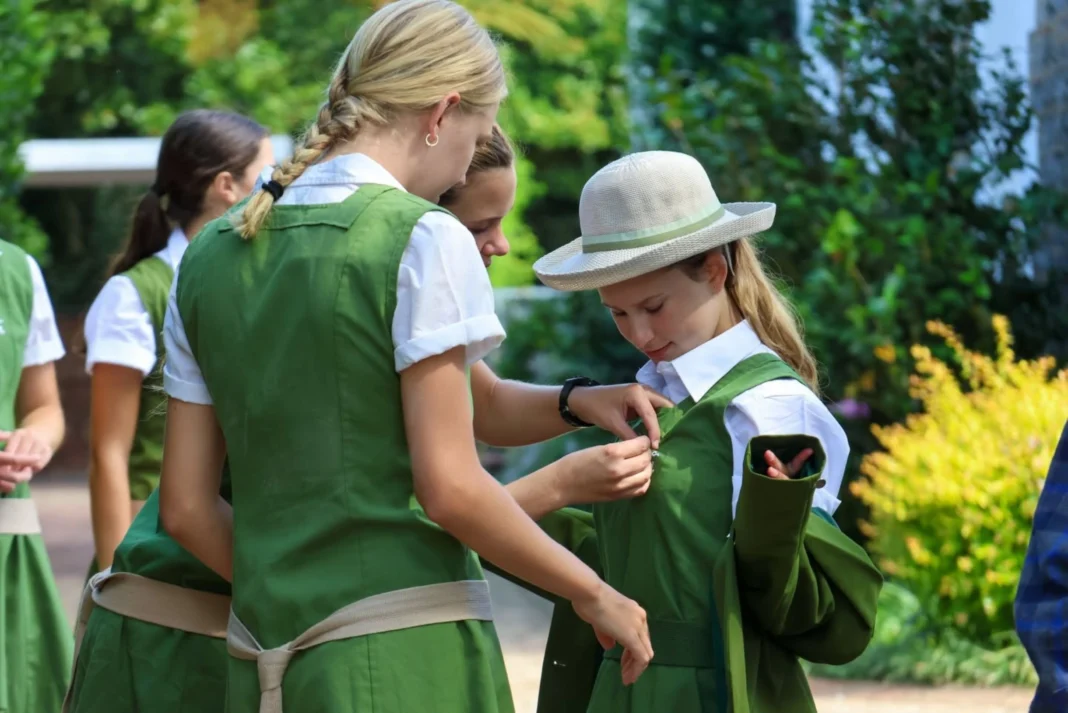
There is a particular moment in many school calendars when names are read out, badges are handed over and next year’s prefects, captains and committee heads are announced. For those selected, it is an exciting and well-earned acknowledgement; for those who put themselves forward and are not chosen, it can feel very different.
At an age when young people are already navigating academic expectations, friendships, sport, cultural commitments, questions about their future and the complicated business of growing up, school leadership selection can take on an importance far greater than it should. Formal positions matter, but they should never become a measure of a pupil’s potential.
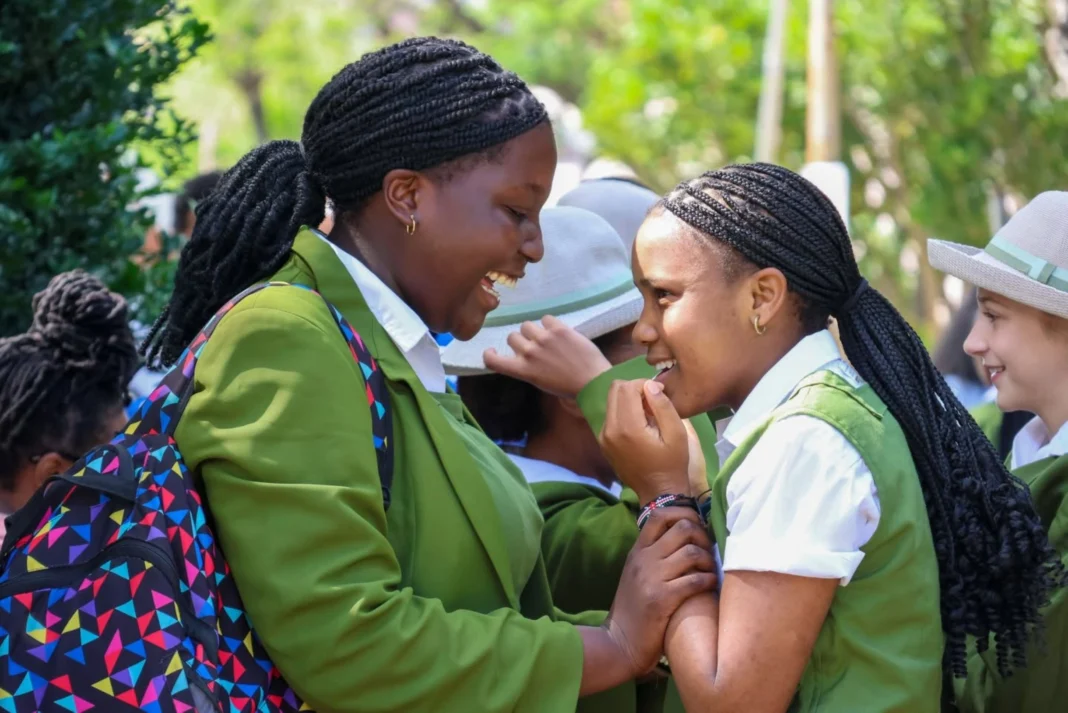
“Leadership development needs to happen progressively,” says Dr Sally James, Head of School at the Diocesan School for Girls (DSG) in Makhanda. “A title can give someone a particular responsibility, but it doesn’t make her a leader. Long before that point, young people should be learning how to communicate, collaborate, make decisions, take responsibility and understand the impact they have on others.”
So, how can schools make leadership something that belongs to everyone?
- Leadership should begin long before the badge
Children can begin developing leadership skills from their earliest school years through small but meaningful responsibilities: working in teams, solving problems, speaking in front of others, helping younger pupils, taking ownership of projects and learning when to lead – and when to follow. At DSG, where girls join from Grade 4, these skills are progressively developed through academic learning and wider school life, including sport, culture, community engagement and outdoor education. By the time formal leadership opportunities arrive in senior school, the badge should be an opportunity to practise skills already developing, not the starting point.
- Not all leaders look the same
“Part of our role is to broaden girls’ understanding of what leadership actually looks like,” says Cindy Fumbata, DSG’s Director of Pupil Development. “It can be having the courage to speak up, but it can also be listening well. It is how you handle conflict, how you encourage somebody else, whether you take responsibility when things go wrong and what happens to a group because you were part of it. I often talk about calling out the treasure in the people around you and taking on an automatic mentorship role. Whether you have opted into a leadership role or not, by virtue of being a senior in the school, there is always at least one girl who looks up to you, admires you and watches what you do. The ripple effects of your actions reach wider and last longer than you may realise. That is why self-awareness is such an important part of leadership. As I often remind our girls, if you can’t lead yourself, it’s hard to lead others. If you’re going to lead humans, you need to lean into your humanity and know what’s happening internally.”
That broader definition matters. A pupil who notices somebody being left out, takes responsibility without being asked, brings a team together or quietly sets an example is exercising leadership too, even when nobody gives that contribution a title. For Fumbata, that also means being intentional about recognising what younger girls bring and helping them see it in themselves. “People might forget what you said or what you did, but they’ll never forget how you made them feel,” she says, quoting Maya Angelou. She also returns to the importance of self-mastery in leadership, drawing on a saying attributed to Chinese philosopher Sun Tzu that she shares with Grade 11 pupils at leadership camp: “Mastering others is a skill. Mastering yourself is true power.”
- Not getting the badge is not a verdict on future potential
This may be one of the most important messages adults can give disappointed pupils. Not being selected as a prefect, captain or committee head does not mean a child lacks leadership ability. Young people mature at different rates. Confidence develops, interests change, and some people discover their strongest leadership abilities at university, in the workplace, within their communities or much later in adulthood. A leadership list at 16 or 17 is not a forecast of who will lead at 25, 35 or 55. That does not mean disappointment should simply be dismissed, it means it can be put into perspective.
- Leadership is as much about contribution as recognition
Service provides one important way of shifting the focus away from status. Through community engagement, mentoring, teamwork and programmes such as outdoor education, pupils can experience leadership as responsibility towards others rather than authority over them. A recent leadership message to DSG pupils captured this distinction simply: contribution matters whether or not a girl wears a badge. Leadership can be demonstrated through influence, example, encouragement and courage – at any age and without a formal title.
- The skills of leadership matter long after school ends
Whatever path a young person follows, they will need to work with people, navigate disagreement, make decisions, adapt when things go wrong and sometimes step forward when nobody else does. Those are leadership skills – and they have relevance whether someone ultimately manages a company, leads a community initiative, runs a household, starts a business, works within a team or becomes an expert in their field.
“Ultimately, we don’t want girls to leave school believing they need permission or a position before they can contribute,” says James. “We want them to recognise their own agency, but also understand that good leadership carries responsibility. It is about the difference you make, the people you bring with you and what remains after you have stepped away.”
Perhaps that is also a useful message during prefect season… Yes, we should celebrate the badge, be proud of the child who earns it, give formal school leadership the recognition it deserves, by all means. But for the pupil whose name is not called, it is worth remembering that this is one decision at one moment in a much longer life. Leadership is not something bestowed by a badge, and there is plenty of time to lead.

