



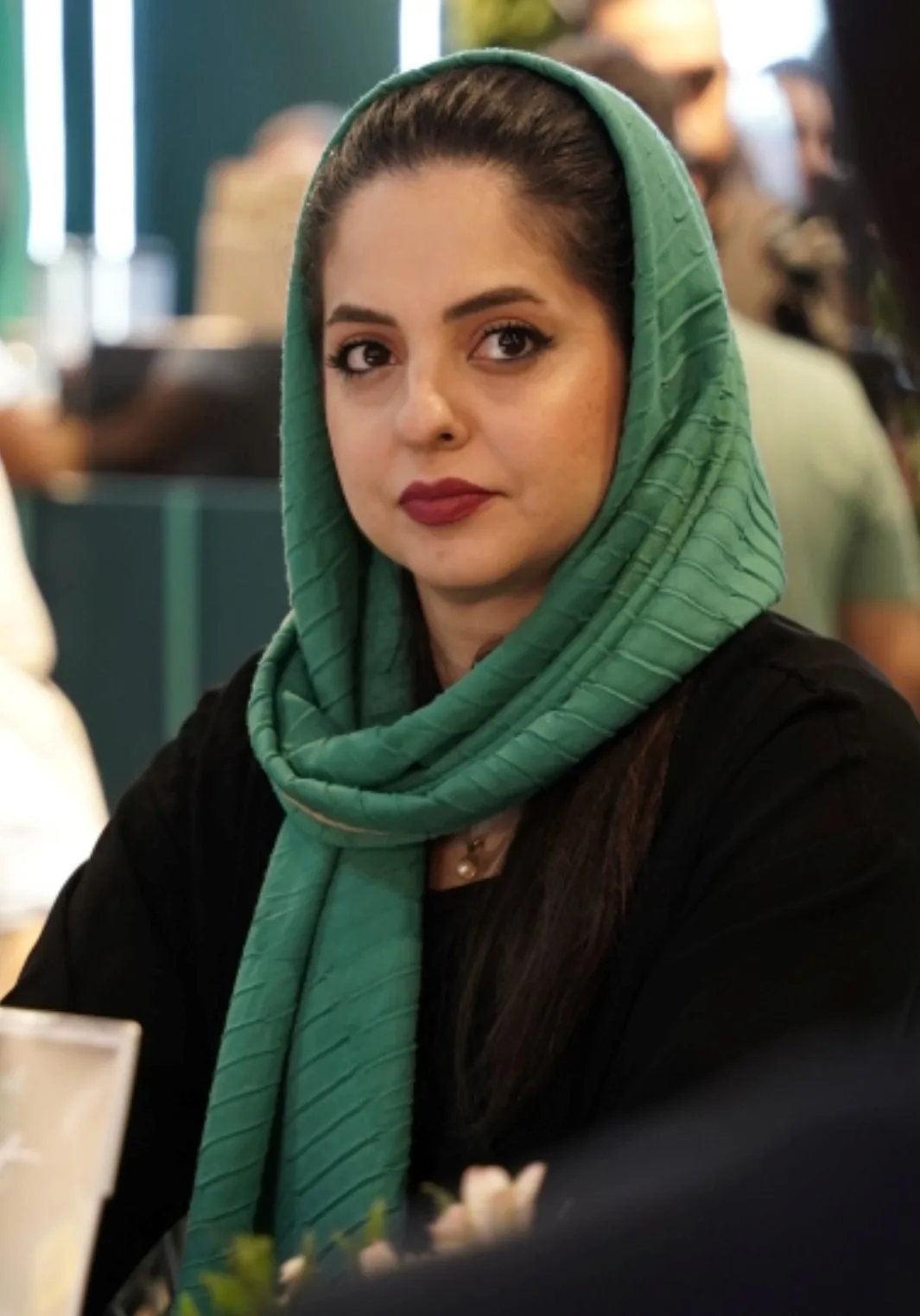
Zohreh Mehrnia, an English language instructor and translator believes that language education has entered a new era—one in which traditional classrooms are no longer the only place where meaningful learning happens. According to her, technology, social media, and artificial intelligence have not only transformed the way people learn languages but have also changed what learners expect from the learning process itself.
“For years, the common belief was that learning English meant enrolling in a language institute, attending classes every week, and working through a textbook,” Mehrnia says. “That approach still has value, but it is no longer the only path. Today, learners have access to an incredible range of resources—from educational videos and podcasts to AI-powered tools and online communities—that allow them to continue learning far beyond the classroom.”
Drawing on more than a decade of teaching experience, Mehrnia, the founder of Mehrnia College, argues that consistency has become more important than the number of hours spent in a classroom. In her view, successful learners are those who make English part of their daily routine rather than treating it as something they study only a few hours each week.
“A student who spends just 30 minutes a day listening to an English podcast, watching educational videos, or reading short articles will accumulate hundreds of extra hours of exposure over the course of a year,” she explains. “That kind of steady, daily engagement often makes a bigger difference than relying solely on weekly classes.”
Mehrnia says this observation was one of the main reasons she founded TopZaban. During years of teaching, she noticed that many students stopped engaging with English as soon as class ended.
“That gap inspired us to create a platform where learners could continue their journey anytime they wanted,” she says. “TopZaban was designed to provide practical resources, articles, learning guides, book recommendations, podcasts, and other educational content that support learners outside the classroom.”
She also believes social media deserves a more balanced reputation. While many people see platforms like YouTube, Instagram, and Telegram primarily as distractions, Mehrnia argues that they can become valuable educational tools when used intentionally.
“Social media itself isn’t the problem,” she says. “It all depends on how we choose to use it. The same platform that keeps someone scrolling endlessly can also help another person improve their listening, expand their vocabulary, or practice speaking every single day.”
Artificial intelligence, she adds, is another technology that is reshaping language education. Tools such as ChatGPT and other AI-powered learning platforms have made personalized learning more accessible than ever before. This philosophy has also influenced the teaching approach at Mehrnia College, where technology is integrated into the learning experience rather than treated as a separate tool.
Looking ahead, Mehrnia believes the future of language education lies in combining traditional teaching with modern technology instead of choosing one over the other.
“I don’t think classrooms are disappearing, and I don’t think technology should replace teachers,” she says. “The most effective learning happens when expert instruction, high-quality digital content, and intelligent technology work together. The learners who will succeed in the years ahead are those who know how to take advantage of all these resources, not just one of them.”
As language education continues to evolve, Mehrnia believes the real shift is no longer about where people learn English, but how they choose to keep learning long after the lesson ends.

