



KEY POINTS: Kagiso Trust and the University of Mpumalanga have signed a three-year partnership focused on research and joint projects (1 July 2026 – 30 June 2029).
- The partnership will generate research publications, policy briefs, symposiums, student research projects and thought leadership outputs that translate knowledge into implementable development solutions.
- Four thematic focus areas guide the work: education, socio-economic development, institutional capacity building and financial sustainability.
- Success will be measured by on-the-ground impact and transformation, with particular emphasis on shifting from theoretical analysis to practical implementation.
- The partnership reflects both organisations’ commitment to collaborative, evidence-based approaches to addressing pressing development challenges.
Kagiso Trust and the University of Mpumalanga have signed a three-year partnership focused on research and joint projects that will generate knowledge and translate it directly into policy and implementable development solutions.
The partnership, signed on 21 July at the university in Mbombela, runs from 1 July 2026 to 30 June 2029 and signals both organisations’ commitment to research that drives measurable development outcomes.
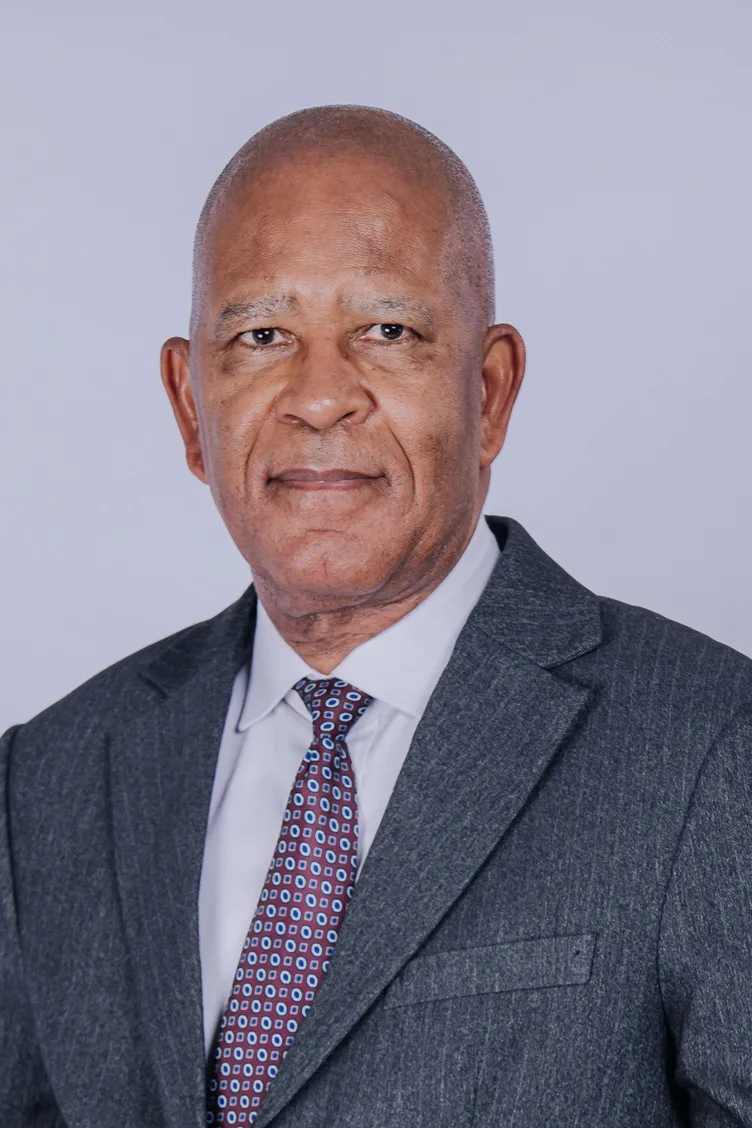
“This marks the start of a shared journey in our roles and contributions to the development of our country,” said Zwoitwaho Nevhutalo, chairperson of Kagiso Trust.
“The true success of this partnership will not be measured by today’s signatures, but by what we achieve together in the years ahead: the research we produce, the programmes we implement and the impact we create.”
Key pillars and outputs
The partnership will focus on Kagiso Trust’s key pillars: education (alternative career pathways including sports, arts, technical, vocational and artisanry); socio-economic development (agriculture and property entrepreneurship development); institutional capacity building (civil society organisations and municipal governance); and financial sustainability (including social impact bonds and crowdfunding).
Planned outputs include:
- Peer-reviewed journal articles, policy briefs and discussion papers.
- Postgraduate student research (master’s, PhD and doctor of business administration dissertations).
- Seminars, conferences and colloquiums.
- Policy analysis and influence work.
- Concept papers.
- Thought leadership articles suitable for public presentation and parliamentary engagement.
The research will combine rigorous academic inquiry with practical application, ensuring findings reach decision makers and practitioners.
Grounded in excellence
Professor Thenjiwe Meyiwa, vice-chancellor and principal of the University of Mpumalanga, said the signing of the memorandum of understanding marked the start of an exciting journey.
“Through these collaborative efforts, we can ensure that research brings policy briefs to the table that are easily communicated and grounded in excellence,” she said.
“Let’s use this opportunity to get research to inform policy, to get policy to inform practices, and to get practices to change our behavioural patterns.”
Kagiso Trust has four decades of direct community development experience, focusing on education, local governance, socio-economic development and active citizenry. Its track record of previous academic partnerships demonstrates the organisation’s commitment to evidence-based practice.
The University of Mpumalanga is a young, dynamic and rapidly growing institution with significant potential to contribute meaningfully to its surrounding communities and to national development goals. The partnership positions the university to ground its research in real-world development contexts while supporting students and researchers to engage directly with pressing societal challenges.
Translating commitments into action
Themba Mola, chief operating officer of Kagiso Trust, said successful partnerships require intention, accountability and sustained commitment. “Our responsibility now is to ensure that today’s commitments are translated into action through effective planning, active collaboration and consistent engagement between our institutions.”
“The real value of this agreement will be reflected in the work we undertake together over the coming months and years: in the quality of our collaboration, the knowledge we produce, and ultimately the impact we make in improving people’s lives.”
Both organisations acknowledged that South Africa faces significant development challenges, including unemployment, poverty, inequality, skills shortages and digital exclusion. The partnership positions academic research as a tool for understanding and addressing these challenges at scale.

