



The invisible deficit in South African classrooms: Physical literacy
South African education is currently grappling with a crisis of focus, resilience, and student health, yet we are searching for solutions in the wrong places. We are ignoring a fundamental, invisible deficit in our classrooms: physical literacy.
For nearly three decades, gymnastics was a mandatory fixture of our physical education curriculum, serving as the blueprint for how children learn to inhabit their bodies, manage spatial awareness, and cultivate discipline. We dismantled that foundation nearly three decades ago, and the resulting gap in our children’s development, cognitive, emotional, and physical, is now impossible to ignore.
This is not a sentimental argument. Gymnastics is understood by movement scientists and physical development specialists as one of the most complete foundations for all physical activity. The body mechanics, balance, coordination, and proprioception that gymnastics builds underpin virtually every other sport a child will ever play. A child with a gymnastics background moves differently on a soccer field, in a swimming pool, and on a cricket pitch. The foundation transfers.
But the case for gymnastics in schools goes further than the physical.
There are few places better than a gymnasium to build mental strength. A gymnastics progression is structured in a way that almost no other physical environment is. Every skill has a prerequisite. Every stage requires a child to understand their own body, to think through a movement, to problem-solve in real time. That cognitive engagement, practised repeatedly across years of development, builds a particular quality of mind: one that approaches new challenges with curiosity rather than anxiety.
Second to mental toughness is emotional strength. Gymnastics in its purest form asks children to fail, repeatedly, in front of others, and to try again. The bar is always slightly ahead of where you currently are. Learning to tolerate that gap, to persist through frustration, to feel fear and do the thing anyway, these are not soft outcomes. They are the psychological foundations of resilience. A child who learns to handle a difficult skill on the beam is practising the same internal resources they will need when academic pressure builds, when friendships get complicated, when life asks something hard of them.
Lastly is physical fitness. But this is not the fitness of repetition and rote exercise, but of genuine capability. Strength, flexibility, coordination, body control. These are the physical qualities that make a child feel at home in their own body, and that protect them against injury across a lifetime of physical activity.
All three of these outcomes are things our schooling system professes it wants to produce. Academic performance, resilience, physical health. South African schools say they want resilience, focus and health, yet they have stripped out one of the best tools for building all three. Gymnastics, taught well and consistently, builds all of them simultaneously and does so in a way few other school activities can.
What well-structured gymnastics program actually looks like
Parents often misread gymnastics. They see the leotards and the competitions and assume it is a specialist pursuit for a particular kind of child. Or they watch a recreational class and conclude it is fun but not serious. What they rarely see, because nobody explains it, is the developmental architecture underneath.
A well-run gymnastics programme is one of the most structured physical environments a young child can be in. Every skill has a prerequisite. Every stage builds on the one before it. The progressions are deliberate, measurable, and grounded in how the developing body actually learns to move. That is precisely what makes it so well suited to a school curriculum. It is not a sport you do alongside education. It is a discipline that reinforces the same habits education depends on: attention, patience, incremental progress, and the willingness to fail and try again.
The golden-age of gymnastics can catch a second wind
Private clubs and recreational programmes can do good work. But the harsh truth is that they reach a fraction of South African children, mostly those whose families have the time and resources to make it happen. That is not a foundation. That is a privilege. We have made movement a privilege in a country that can least afford it.
Putting gymnastics back into the schooling system, as a structured, progressive, curriculum-bound subject at foundation phase, would reach every child. It would give every child, regardless of background, access to the physical literacy, mental agility, and emotional development that the sport builds.
South Africa’s academic outcomes are a national conversation. So is youth physical health. So is the emotional wellbeing of our children. These are too often treated as separate problems requiring separate solutions. But they are connected, and our schools once understood that. Gymnastics did not disappear because it stopped mattering. It disappeared because we stopped taking children’s physical development seriously. Bringing it back would not be nostalgic. It would be corrective.
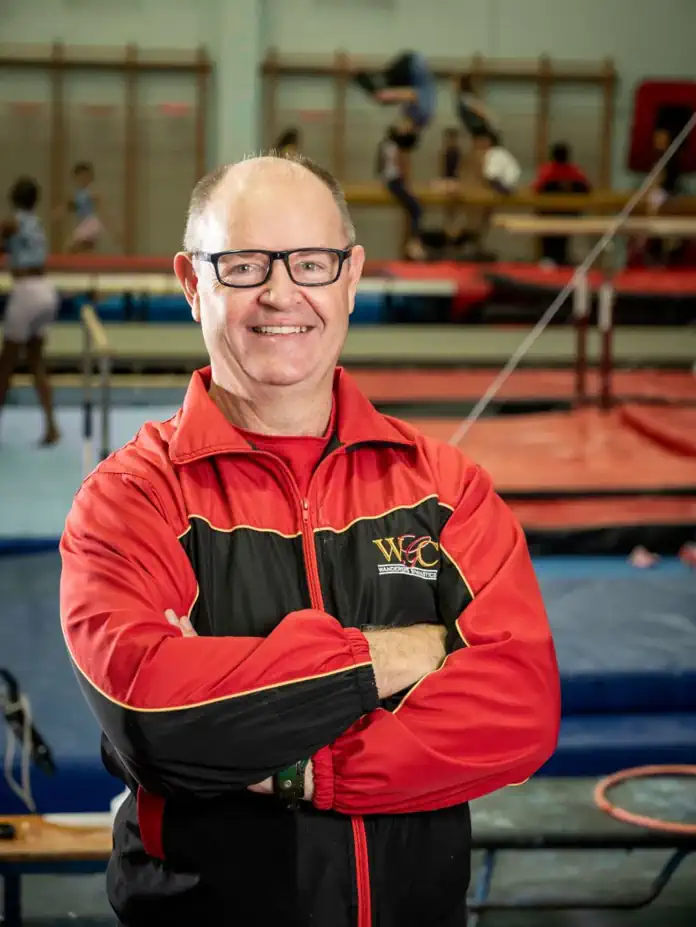
Bobby Budai is the owner and head coach of Wanderers Gymnastics Centre in Johannesburg, South Africa’s oldest and most established gymnastics institution. He works with children from pre-school through to elite level, with a focus on long-term physical development. https://www.gymnastics.org.za/

