



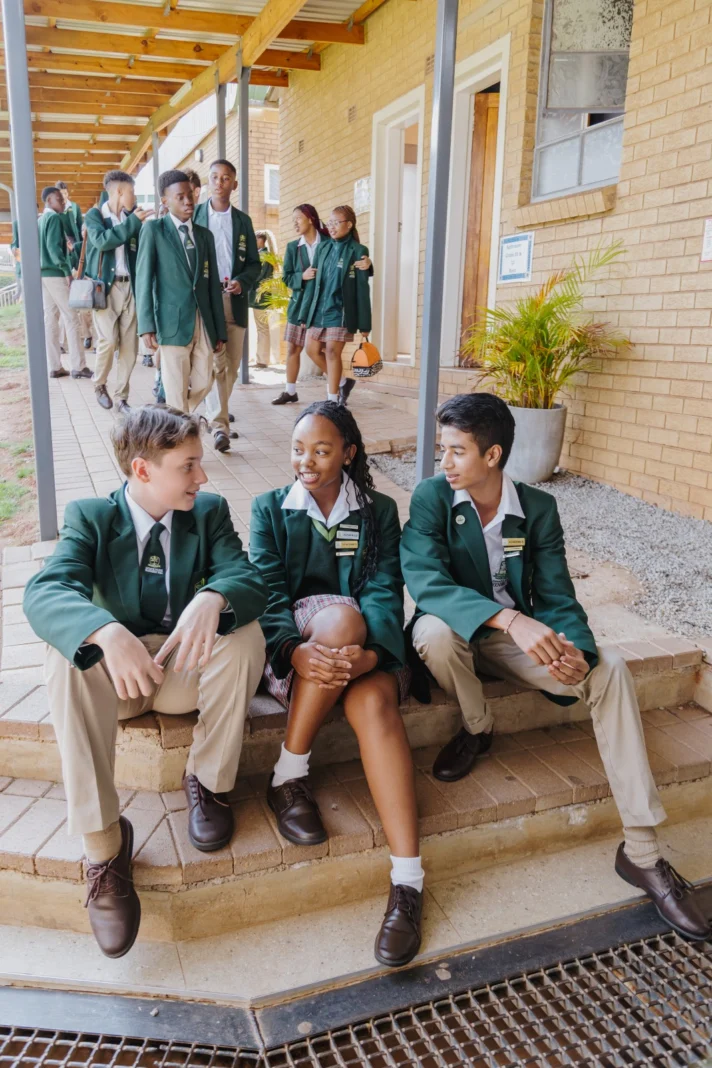
This Mental Health Month, Pinnacle Colleges encourages South African families to challenge the expectation that children should always cope and build everyday connections that make asking for help easier.
“Be strong.” “You’ll be fine.” “Other people have it worse.”
These familiar expressions often come from a place of encouragement. Yet a young person who is struggling may hear a different message: keep your feelings to yourself.
South African families navigate financial pressures, safety concerns and demanding working hours. Young people also face friendship difficulties, social media comparisons and the desire to belong. Finding space to speak openly about these experiences matters.
This Mental Health Month, Pinnacle Colleges encourages families to rethink what strength looks like.
“Strength can include admitting that something feels difficult and asking for support,” says Barwedi Moetji, Intern-Psychologist at Pinnacle College Ridge View. “Young people need to know that expressing their feelings will be met with care.”
Recognising when your child may be struggling
Children do not always have the words to explain how they feel. Emotional distress may show through irritability, withdrawal, difficulty concentrating or changes in everyday behaviour. These signs do not necessarily indicate a mental health concern, but persistent changes deserve a calm conversation and, where appropriate, professional support. Looking beyond the behaviour and gently asking what might be troubling a child can help parents understand their experience and respond with care.
Every concern deserves a listening ear
Students may hesitate to share their worries when adults are managing difficult circumstances. Some fear adding to the family’s burden; others worry that their concerns will seem insignificant.
“A friendship problem may seem small to an adult, but it can feel deeply upsetting to the young person experiencing it,” says Moetji. “Listening helps us understand their experience before deciding what support might help.”
Parents can begin with a simple response: “That sounds difficult. Tell me more.”
Acknowledging a feeling does not mean having every answer. It communicates that the conversation is welcome.
Make connection an everyday habit
Meaningful conversations can happen while preparing supper, walking together or travelling home. Small, regular opportunities to connect may feel more comfortable than a formal discussion. Putting phones aside and asking open questions gives young people space to respond.
“Try asking, ‘What has been on your mind lately?’ or ‘What felt difficult today?’” suggests Moetji. “Allow time for an answer. If your child is not ready to speak, remind them that you are available.”
Returning to something a student shared also shows that their experience matters.
Make room for difficult days
Social media can create pressure to appear happy, confident and constantly connected. Families can offer a space where sadness, disappointment and uncertainty can be expressed respectfully.
“Students need permission to have a difficult day without feeling obliged to put on a brave face,” says Moetji. “Adults can model this by naming their feelings calmly and demonstrating healthy ways of seeking support.”
Parents should keep responsibility for adult problems with adults, while reassuring children that their feelings also deserve attention.
Help starts with a few words
Students do not need a perfect explanation to ask for support. “Something is bothering me” can start a conversation with a trusted adult.
Persistent distress or difficulties affecting everyday life deserve attention from an appropriately qualified mental health professional.
“Our message must remain consistent: you deserve to be heard,” concludes Moetji. “Let us make listening, connection and support part of everyday family life, throughout the year.”
Where to find support
Young people experiencing emotional difficulties are encouraged to speak to a trusted adult, teacher or school counsellor. Families who need additional support can also contact Childline South Africa on 116 or the South African Depression and Anxiety Group (SADAG) Mental Health Helpline on 0800456789. Both services offer free, confidential support, 24 hours a day. Visit www.childlinesa.org.za or www.sadag.org for more information.
A stronger culture of mental wellbeing begins when every young person knows they can speak honestly, be taken seriously and ask for help without shame.

