



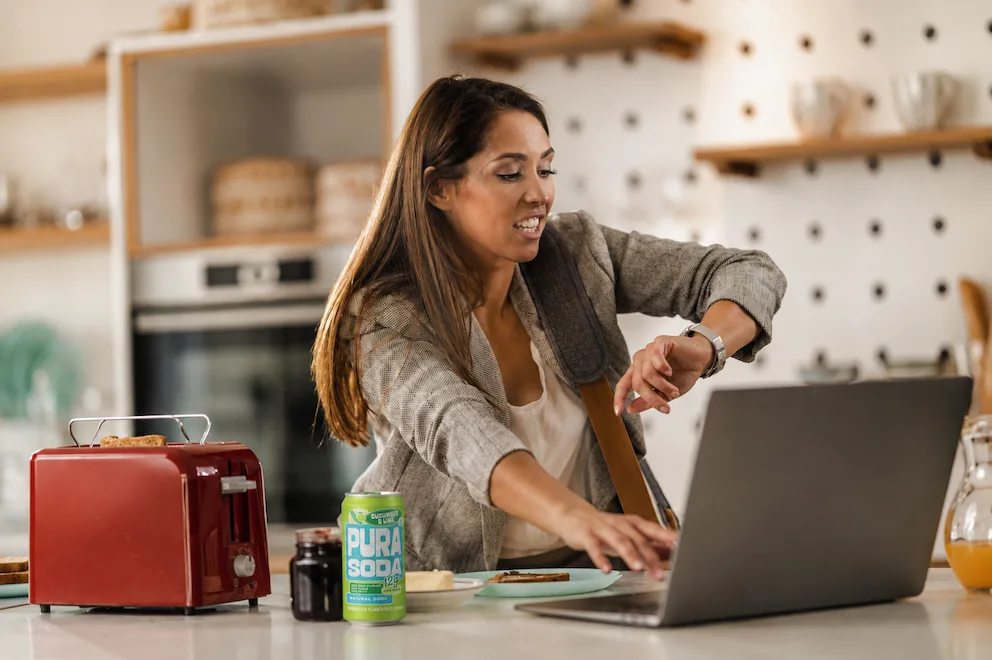
Ask a woman what self-care looks like and chances are the answer won’t always involve a spa day, a face mask or an uninterrupted hour with a book.
Sometimes it’s ordering the groceries instead of going to the shops. It’s having something in the freezer that can become dinner in 20 minutes, or saying yes to the easier option without feeling the need to justify it. It might even be five quiet minutes at the end of the day with a cold drink before someone asks where their shoes are.
For many women, the real luxury isn’t necessarily having more. It’s having less to think about.
There is a particular kind of tiredness that doesn’t always come from doing too much. It comes from remembering too much.
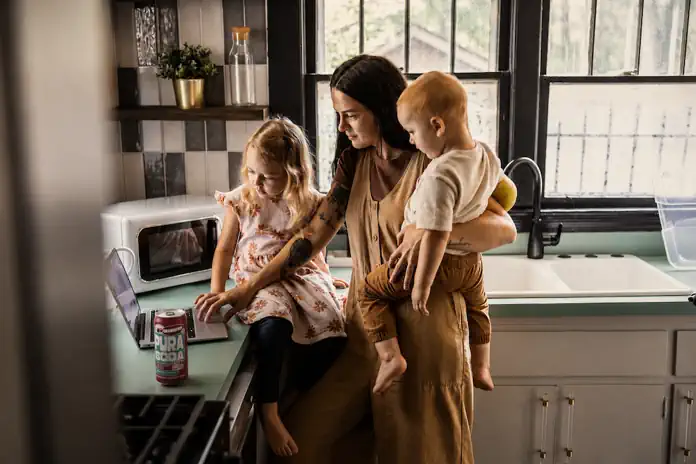
The birthday present that still needs to be bought. The WhatsApp you haven’t replied to. What’s running low in the fridge. The appointment that needs to be moved. Whether there’s enough dog food until Friday. What’s happening at school tomorrow. And, somewhere among all of that, what everyone is going to eat tonight.
None of those things feels particularly overwhelming in isolation. Stack them on top of work, family responsibilities, finances and the general admin of everyday life, though, and they take up a surprising amount of headspace.
We know it as the mental load, the largely invisible work of anticipating, remembering, organising and keeping everyday life moving. It isn’t something carried exclusively by women, and every household divides responsibilities differently, but for many women that constant background planning remains very familiar.
Food is a good example.
A meal might only take half an hour to prepare, but dinner often starts hours earlier in someone’s head. What’s available? What needs to be used before it goes off? Do we need to stop at the shops? What can be packed for lunch tomorrow? Will everyone eat it?
The meal itself might take 30 minutes. Thinking about it can occupy space in your head for half the afternoon.
Perhaps that’s why convenience deserves a little more credit than we’ve traditionally given it.
We’ve had a complicated relationship with convenience, particularly when it comes to food. Somewhere along the way, making things from scratch became synonymous with making an effort. Pre-prepared ingredients were a shortcut. Grocery deliveries felt indulgent. Asking someone else to bring dessert could somehow feel like poor planning.

There is no prize for making Tuesday night more difficult than it needs to be.
As lives have become busier, convenience has taken on a different value. It’s less about rushing through life and more about being selective with the time and energy we have.
Keeping vegetables in the freezer means there’s always something available for dinner. Pre-cut ingredients might save half an hour at the end of a long day. Grocery delivery can give you back a Saturday morning. Keeping a few drinks chilled means friends can arrive without entertaining becoming an event that requires three days of preparation.
They’re ordinary choices, but perhaps that’s what we’ve missed in the conversation around self-care.
We’ve turned looking after ourselves into an activity in its own right. There are morning routines, evening routines, wellness rituals, apps to download, habits to track and endless advice about how to make more time for ourselves.
For someone already carrying a full mental load, self-care can start to sound suspiciously like another job.
Making life easier can be a form of looking after yourself too.
Increasingly, we’re seeing that thinking reflected in what people expect from the products they bring into their homes. Speed still matters, but convenience needs to do more than save a few minutes. Products need to fit easily into real life, whether that’s food that’s simple to prepare, packaging that actually works, versatile staples or drinks that can go straight from the fridge to the table.
It’s a shift brands such as PURA Beverage Co are paying attention to as well. Rather than asking already-busy consumers to make room for another product or another routine, the more relevant question is how a product can fit into the life they’re already living.
Sometimes simplicity is enough.
That feels particularly relevant during Women’s Month, when so much of the conversation understandably focuses on what women achieve, lead, build and contribute.
Perhaps there should also be room to talk about what women can put down.
Take the shortcut. Serve the easy dinner. Let someone else bring dessert. Order the groceries. Say no when you don’t have the capacity. Use the 20 minutes you’ve saved to sit outside with a drink, phone a friend, play with the kids or do absolutely nothing at all.
Not everything needs to be optimised, perfected or squeezed into the day.
Sometimes looking after ourselves starts with deciding that a few things simply don’t need to be done the hard way.

