



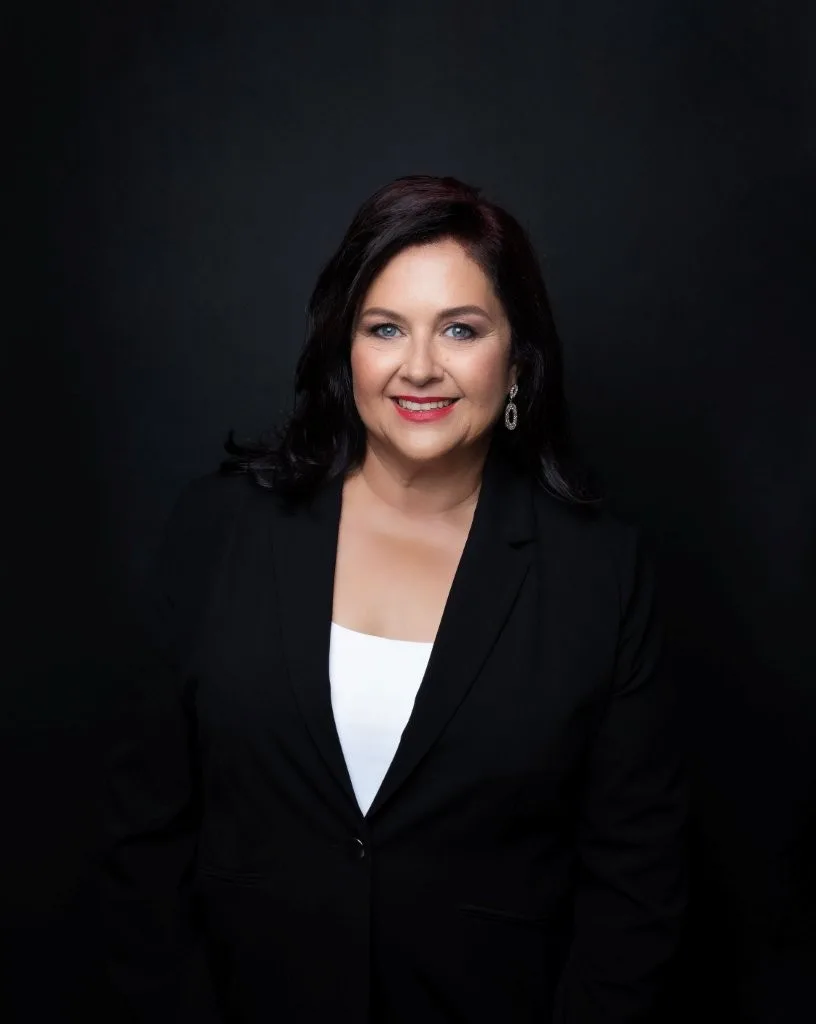
Every time you reach for a bottle of water, you make a simple assumption that what is inside is safe, properly tested and exactly what the label says it is. For the past 26 years, Charlotte Metcalf has worked to make sure that assumption is justified.
As CEO of the South African National Bottled Water Association (SANBWA), Metcalf has helped build the standards, safeguards and accountability behind an everyday product most of us rarely think twice about. Her work may take place largely behind the scenes, but it affects every consumer standing in front of a fridge, restaurant counter or supermarket shelf deciding which water to buy.
“Water sold to the public must be safe, traceable and legally compliant,” she says.
It sounds obvious. Yet, when Metcalf joined SANBWA in 2000, South Africa did not have specific legislation governing packaged water. The industry was still in its infancy, and her first challenge was to help establish bottled water as a properly regulated food category.
Legislation eventually came into effect in 2007. During the years in between, SANBWA researched international best practice, studied potential risks and developed its own technical standards and audit system.
In other words, Metcalf and her colleagues began building the safety net before the law required one. That determination to protect consumers has shaped her career.
“Bottling water is erroneously seen as a very easy and low entry-cost business,” she explains.
It is not simply a matter of filling a container and attaching a label. Packaged water is legally considered a food product. It must be produced in a food-safe facility, supported by a dedicated quality-management system and backed by proper records, testing and traceability.
These protections become even more important during droughts, water interruptions and periods of concern about municipal supply, when families and businesses urgently seek alternative sources of drinking water.
One of Metcalf’s current concerns is the confusion surrounding water refill stations.
Water filled directly into a customer’s own container is treated differently from packaged water. However, when businesses begin filling bottles in advance, sealing them, adding labels and selling them from shelves, shops or restaurants, the product has effectively become packaged water and should comply with the relevant legal requirements.
Without those safeguards, consumers may have no way of confirming where the water came from, how long it can safely be stored or whether a particular batch could be identified and recalled if a problem emerged.
Metcalf is quick to point out that SANBWA is not opposed to responsible enterprise: “We are not trying to close down responsible entrepreneurs. We are saying that water sold to the public must be safe, traceable and legally compliant.”
For consumers, the message is straightforward: a sealed bottle and professional-looking label do not automatically guarantee that the water has been produced according to packaged-water standards.
Metcalf’s job has often required her to deliver difficult messages and challenge misleading practices. Yet she does not view firmness as a question of personality or gender: “Being clear about legal requirements and protocol removes the emotional aspect of such communication. It is for the greater good of the industry and its consumers.”
That clarity has enabled her to lead in a field that brings together science, law, food safety, environmental responsibility, business and public communication.
Although her original background was in science, Metcalf says her role required her to keep learning. She had to understand enough about legislation, sustainability, communications and business to recognise when specialist expertise was needed and when she needed to master an issue herself.
Her Women’s Day message is not one of having to justify a woman’s presence in technical or scientific spaces: “I do not believe there are ‘traditional places’ for women these days.”
Instead, her career demonstrates what becomes possible when women expand their knowledge, stand by their expertise and remain committed to work that serves a greater purpose.
Metcalf is also generous in acknowledging the women who have influenced her.
Internationally, she points to Patricia Fosselard, who helped move Europe’s mineral-water sector towards sustainability leadership; Elizabeth Griswold, who has spent almost four decades building Canada’s bottled-water association; and Irene Zafra Morena, who has led Spain’s association for 35 years.
In South Africa, she recognises women including Cheri Scholtz, who helped grow Petco’s plastics-recycling programme; food-safety leaders Cindy Jenks and Latiefa Behardien; and Dr Lucia Anelich, whom Metcalf describes as a doyenne of the food-safety industry.
“Their commitment to and love for this industry is so evident and contagious. For us, this work is a calling.”
This National Women’s Day, Metcalf’s story is a reminder that leadership does not always arrive with a spotlight. Sometimes, it is found in the difficult questions asked and the quiet determination to protect people who may never know your name.
The next time you open a bottle of water, think of the woman working behind the label, making sure that something so essential can also be trusted.

