



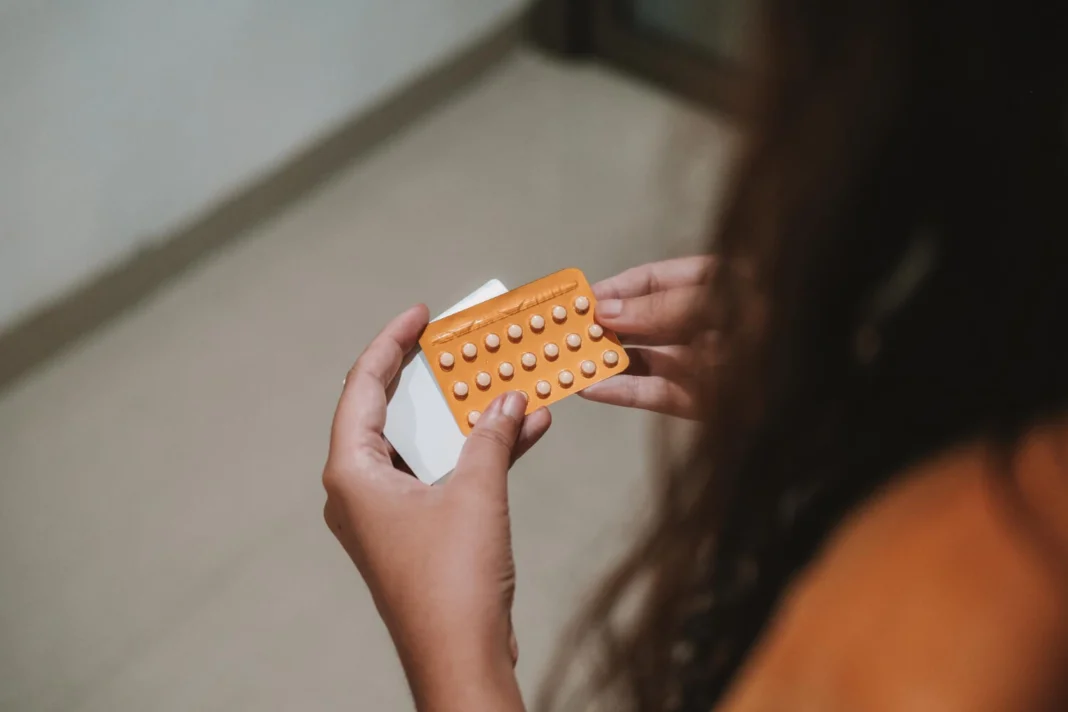
Affinity Health, a leading provider of high-quality health cover, says concerns about weight gain should not prevent women from discussing the birth control pill with a healthcare professional.
Many women blame the pill when the number on the scale increases after starting contraception. However, research has not established that birth control pills cause significant weight gain.
Body weight naturally changes over time. It can be affected by age, diet, physical activity, stress, sleep, menstrual changes, certain medicines, and underlying health conditions. Some of these changes can happen around the same time you start the pill.
What Does the Evidence Show?
There are two main types of birth control pill. The combined pill contains oestrogen and progestogen, while the progestogen-only pill, sometimes called the mini-pill, does not contain oestrogen.
A Cochrane review found that a causal link between combined hormonal contraceptives and weight gain has not been established. Trials comparing different combined contraceptives also found no substantial differences in weight.
Some women taking the progestogen-only pill report gaining weight. However, there is not enough evidence to determine whether the pill is responsible. This does not mean that a woman’s experience should be dismissed. Her weight could genuinely change after she starts the pill, but several factors could be involved.
Why the Scale Might Change?
Some women feel bloated or notice a change in appetite after starting the pill. The body holds extra fluid for a short time, making clothes feel tighter. This is not the same as gaining body fat.
Eating larger portions, snacking more, or drinking more sugary drinks could be the reason for gradual weight gain. Stress, less exercise, poor sleep, and processed foods can also affect weight.
Health conditions, such as an underactive thyroid, polycystic ovary syndrome, depression, or insulin resistance, can also contribute to weight gain. Certain medicines can play a part too, so do not assume that the pill is always the cause.
The Pill Is Not the Injection
The birth control pill and contraceptive injection are not the same. The DMPA injection is more likely to be linked to weight gain, although some women gain little or no weight.
If you are concerned, speak to a healthcare professional about other options. Do not stop taking the pill without arranging another reliable contraceptive method, as this could lead to an unintended pregnancy.
What Should You Do If You Gain Weight?
If you are worried about gaining weight after starting the pill, write down your starting weight and check it once a week. Your weight can change slightly from day to day, so you don’t need to weigh yourself every morning.
Also think about what else could have changed. Ask yourself:
- Am I eating larger portions or snacking more often?
- Have I been less active than usual?
- Am I sleeping badly or feeling stressed?
- Have I started taking any other medicine?
- Do I have any new or unusual symptoms?
Conclusion
Current evidence does not support the belief that birth control pills usually cause substantial weight gain. Normal weight fluctuations and changes in appetite, eating habits, activity, sleep, stress, or health may explain an increase noticed after starting the pill. The right contraceptive method depends on a woman’s health, preferences, medical history, and future pregnancy plans. Affinity Health can help members discuss weight changes, contraception, and other health concerns through 24/7 Telehealth GP consultations and unlimited managed visits to a Medical Society.

