



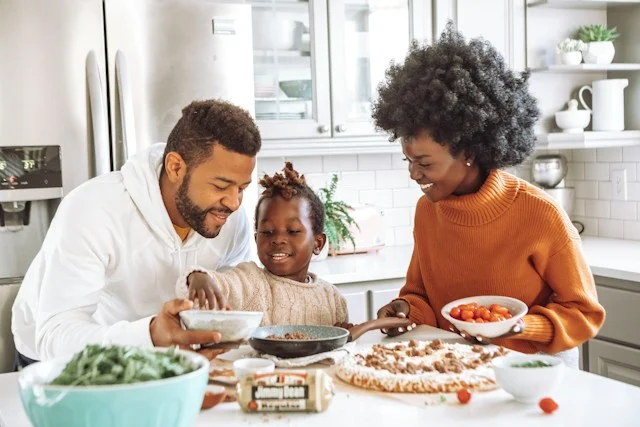
Long before children can read, reason or even speak, they’re observing the world around them, particularly the behaviour of their adult parents or caregivers. They notice everything about their habits – from how and what they eat, to how they move and respond to stress, to what they do when they’re unwell and dealing with illness. By the time they’re adults, children often have these habits deeply ingrained in their subconscious and play them out in their own lives in the same way.
Research consistently demonstrates the huge impact that modelling has on children’s lives as they grow up. This study found that children of parents who exercise regularly are significantly more likely to be physically active themselves. It makes sense, then, that children who see their parents seeking help — medical, emotional, or otherwise — are more likely to do the same, and that the inverse is true: if their parents don’t seek help and support, it’s unlikely they will either.
If you’re a parent, this isn’t about feeling guilty or that you’re not doing things right. Almost all parents are doing the best they can with the resources they have. Instead, see this as a lens to view family health as a collaborative effort, where your children’s overall healthy habits can be heavily influenced by how you live your own life.
Exercise together, not just in parallel
One of the best ways to build a healthy body in both children and adults is through regular exercise. In addition to your children seeing you live an active life, one of the best ways to pass this habit down is to incorporate exercise into a shared activity where everyone participates. This could be a weekend hike, a bike ride, an after-dinner walk around the block or a spontaneous game of cricket in the garden involving the whole family.
For younger children, active play is the key, while for older children and teenagers, being active could mean organised sport, dance or martial arts that carry social rewards alongside the physical ones. The goal here is not to produce athletes; it is to help your child find something active that they enjoy doing and so do it regularly.
Eat together, and let them see how you eat
Family mealtimes are under pressure from schedules, screens and the sheer logistical complexity of modern households. But shared meals are incredibly valuable to a child’s overall sense of wellbeing. One study found that children who eat meals with their families tend to have healthier diets, better emotional regulation and lower rates of disordered eating in adolescence.
What parents eat matters as much as what they encourage their children to eat. A child who watches a parent push vegetables aside or reach for chips under stress will take that in far more deeply than any nutritional advice. On the other hand, a parent who cooks with enthusiasm, who talks about food in terms of enjoyment rather than restriction, and who models a relaxed and varied approach to eating sets a template that tends to last.
Manage stress visibly and well
Children notice how adults handle pressure. A parent who responds to a difficult day by going for a run, calling a friend, or simply naming the feeling — “I am feeling stressed today, so I am going to take ten minutes outside” — teaches a child that stress is manageable and that there are healthy ways to respond to it. This kind of emotional modelling is arguably more valuable than any formal lessons in resilience.
The habits that can have a negative impact on children are often the invisible ones, whether it’s drinking too much, not talking about anxiety or treating exhaustion as something to be proud of. Children absorb these too, often more deeply than the visible behaviours.
Emphasise the benefits of preventative health
Being proactive about your health is far more effective than reactive care, and modelling this to your children is a health habit that will pay dividends in future. Establishing habits like going for regular check-ups, getting teeth cleaned regularly or having a screening done once a year is something your children will assimilate as they get older.
If you belong to a medical aid, you could get these screenings done as part of your plan benefits. Fedhealth’s screening benefits, for example, cover a range of health assessments for the whole family, from annual wellness screenings that check BMI, blood pressure, cholesterol and glucose, to children’s immunisations from birth up to 12 years.
Talk about health openly and without drama
How parents speak about their own bodies, their health and their feelings matters enormously in how a child’s body image will develop. It’s also affected through things such as minimising symptoms, avoiding medical appointments or treating self-care as something that gets done only after everything else. Children who grow up in households where health is discussed openly — where adults model going to the doctor, where emotions are named rather than suppressed, where asking for help is normal — are more likely to develop the kind of healthy mindset that will serve them well throughout their lives.
Developing healthy habits in your children isn’t about forcing them to do things. It’s about demonstrating what a healthy life looks like, which then affects their own habits and behaviours. By making healthy habits a priority in your life, you’ll not only be benefitting your own life, but investing in the lives of your children, too.

