



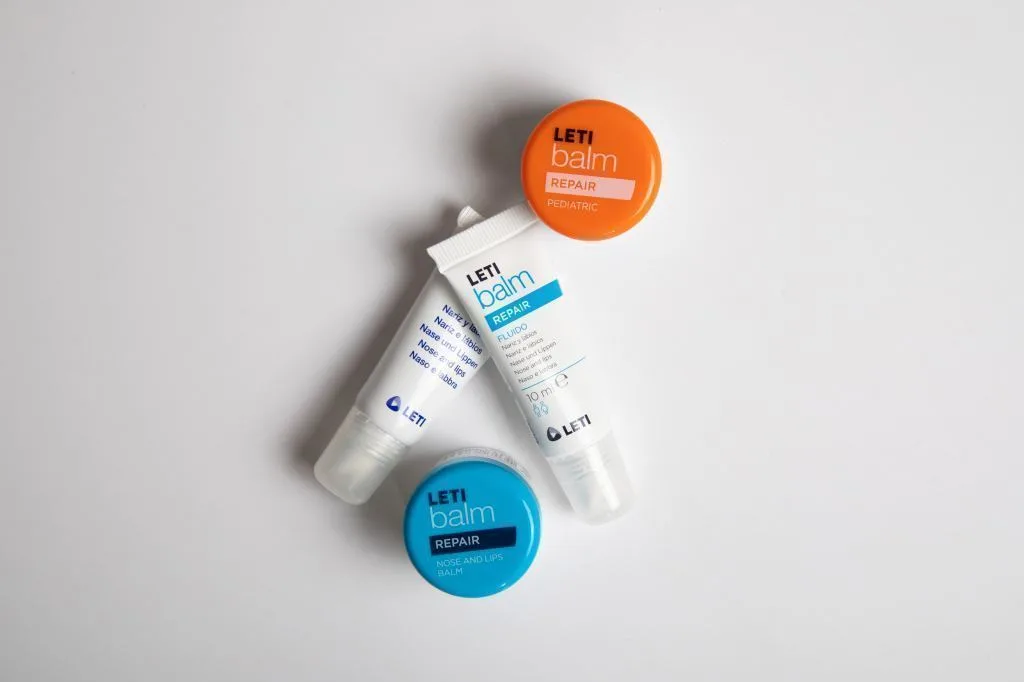
While air travel can be exciting and is often something to look forward to, its impact on the skin is far less enjoyable. Between cabin pressure changes, low humidity and recycled air, flying creates one of the most dehydrating environments the skin can experience. The earliest and most visible effects often show up in the most vulnerable areas of the face, the delicate skin around the nose and lips.
These areas are already more vulnerable than the rest of the face but in-flight conditions intensify everything, stripping moisture, weakening the skin barrier and leaving behind tightness, flaking and irritation that can linger long after landing.
“Airplane cabins typically have very low humidity levels which accelerates moisture loss from the skin barrier,” explains dermatologist and Ivohealth spokesperson Dr Lauren Knight. “This means the skin loses moisture much faster than it can replenish it, particularly in sensitive areas like the lips and around the nostrils.”
She adds that the combination of dry air and constant movement during travel makes matters worse, with frequent talking, drinking, wiping and even simple facial movement during long flights all increasing friction in already compromised areas.
Why the nose and lips take the biggest hit
Unlike the rest of the face, the lips do not contain oil glands, making them highly dependent on external moisture. The skin around the nostrils is similarly delicate and constantly exposed to airflow, tissue use and environmental changes.
On flights, this vulnerability is amplified. Recycled cabin air reduces ambient moisture, while air conditioning systems further dry out the skin surface. The result is often immediate discomfort: tight lips, peeling, redness around the nose and a compromised skin barrier.
“People often underestimate how quickly dehydration happens in-flight,” says Dr Knight. “By the time you feel dryness, the skin barrier has already been affected.”
From prevention to repair: why targeted care matters
While many travellers reach for standard lip balms, these often provide only temporary relief and do not address the combined needs of the nose and lip area, especially during prolonged or repeated travel. This is where specialist care becomes important.
“It is not just about moisturising,” says Dr Knight. “The goal is to restore and protect the skin barrier in areas that are constantly exposed to friction, dryness and environmental stress, which is exactly what happens during travel. In these cases, a targeted product such as the LETIbalm range can be particularly helpful, as it is specifically formulated for the care and repair of the nose and lips across different needs and levels of sensitivity.”
How travel affects different skin needs
Different travellers experience these effects in different ways, which is why supportive care should be tailored to the condition of the skin rather than the journey alone.
For those experiencing general in-flight dryness or irritation around the nose and lips, barrier support products such as LETIbalm Nose & Lip Repair Balm can help ease discomfort caused by low humidity and repeated exposure to dry cabin air, while supporting the skin’s natural recovery process during and after travel.
In situations where the skin is more sensitive, for example, during acne treatments such as isotretinoin (Roaccutane), where dryness and cracking of the lips are common, lighter formulations like LETIbalm Repair Fluid are often better suited, particularly for long periods of travel when the skin barrier is already under strain.
Families travelling with young children may also need to consider how quickly irritation can develop in delicate skin exposed to tears, congestion or drooling. In these cases, especially for infants from three months and older, LETIbalm Repair Balm Paediatric offers gentle, age-appropriate barrier support to help maintain comfort and protect sensitive skin during travel-related stress.
A simple shift in travel skincare
Ultimately, in-flight skincare does not need to be complicated but it does need to be intentional.
“The key is consistency,” concludes Dr Lauren Knight. “Protect the skin before it becomes uncomfortable, support it during exposure and restore it afterwards. That is what keeps the barrier healthy, even when you are travelling frequently.”
LETIbalm Nose & Lip Repair Balm is available at Dis-Chem and independent pharmacies. More details on Ivohealth.co.za

